News ›
Tech & industry
Rehab technology, assistive tech, equipment and the companies behind them.
 Tech & industry21 Apr
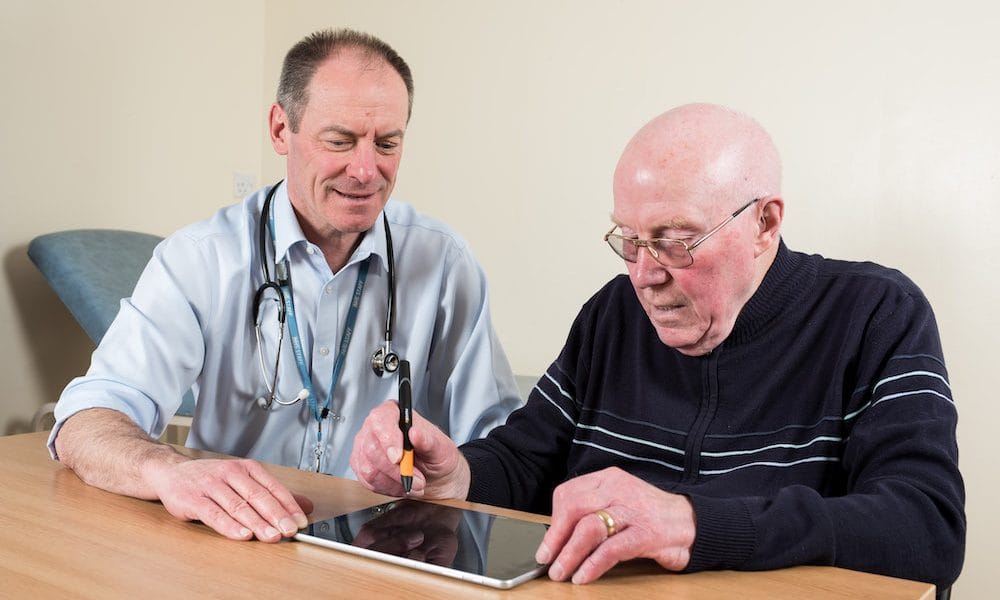
Innovate UK has allocated £600,000 towards the validation of a handheld device used to screen dementia and cognitive impairment.
The innovation agency has awarded grant funding to Manus Neurodynamica, which develops and markets products and technologies for neuromotor assessment. The funds will help to optimise and validate the NeuroMotor Pen (NMP) for screening of dementias and cognitive impairment, over a two-year project. Only around 68 per cent of over 65s, estimated to have dementia have been diagnosed. Tech & industry12 Apr
A tech platform credited with revolutionising rehabilitation for the neuro sector goes live today as the first step in its national roll-out.
Neuro ProActive has been created to enable a fully multi-disciplinary approach to rehabilitation, covering both inpatient and community care and involving patients and their families in the process. The app - which supports the spectrum of neurological conditions, from brain injury to stroke, dementia and Long COVID - enables greater cohesion between therapists through its end-to-end message and video calling encryption, which allows remote services and patient monitoring to be done via one single platform.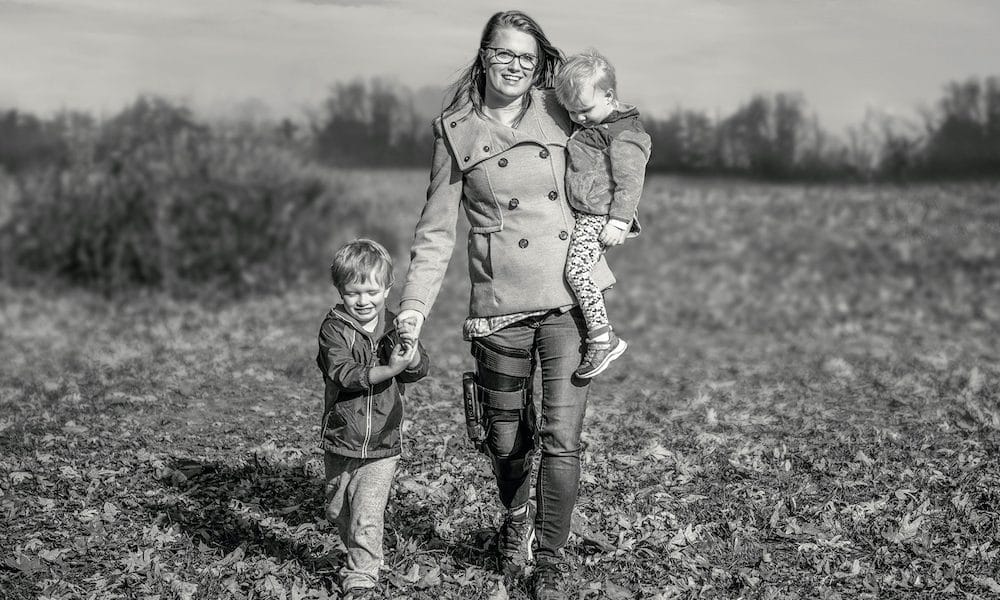 Tech & industry8 Apr
The C-Brace is big news in the progression of Orthotic treatment for neurological conditions. The integration of microprocessor technology into a carbon fibre Knee Ankle Foot Orthosis (KAFO’s) opens up a whole new world of possibilities and mobility for patients dependent on full leg support to stand and walk.
As standard, KAFO users are supplied with locked knee KAFOs. This is where the knee is locked in a straight position throughout their gait cycle, but manually unlocked to allow the user to sit down with their knee flexed. The use of a locked KAFO brings about stability of the knee for users with reduced lower leg muscles strength, when walking on level ground. Tech & industry7 Apr
A startup recruitment business is supporting the development of life-changing inventions in the neuro sector by sourcing the high-level talent to drive their ventures forward.
Hanison Green has established a niche as the only recruiter dedicated to neuromodulation and in its first eight months of trading has already helped globally-significant, early-stage businesses including ONWARD, the Swiss-based venture which hopes to launch devices within the next four years to enable paralysed people to regain the ability to move and walk. With a specialism in supporting startups within neuromodulation, Hanison Green is working globally from its London base, with a primary focus of supporting companies in the US and Europe. Tech & industry31 Mar
An app designed to support people who have acquired reading impairments or aphasia due to stroke, brain injury or dementia, has launched globally.
In its first week, iReadMore, with its unique and engaging approach to single word reading therapy, was downloaded in every continent of the world except Antarctica. The self-led app is for individuals to use at home, which is proving especially relevant during the pandemic and ongoing lockdown restrictions around the world, with many people pursuing their own therapy options. iReadMore has been developed by researchers in the Neurotherapeutics Group at University College London, working alongside people living with aphasia, to bring to fruition a project that was started in 2007 by Dr Zoe Woodhead and Professor Richard Wise. Tech & industry16 Mar
Technology which uses artificial intelligence (AI) electromagnetic therapy to help neurorecovery can reduce disability in stroke patients, new trials have revealed.
BrainQ is developing a cloud-based platform to map brain network activity using explanatory machine learning algorithms, to extract biological insights that translate into precision therapies. In a recent pilot trial involving 25 stroke patients, patients recovered 77 per cent faster from the disabilities caused by their stroke through the use of the BrainQ technology. Tech & industry16 Mar
Functional Electrical Stimulation (FES) was first documented as a treatment option for dorsiflexion weakness post CVA, in 1961 by Liberson et al. Since then there have been numerous studies into the use of FES in upper motor neuron conditions and the NHS integrated FES into its services in the late 1980s.
The National Institute for Health and Care Excellence (NICE) released the following guideline; Electrical stimulation for drop foot of central neurological origin, [IPG278] in January 2009. The guideline states that FES can be routinely offered as a treatment option for people with foot drop, caused by damage to the brain or spinal cord, if the health professional considers it is appropriate. Tech & industry9 Mar
A suite of apps to support people with brain injuries in developing their cognitive skills has seen a surge in demand globally during the COVID-19 pandemic.
Brain Education Strategies Technology (BEST) developed the first of its five apps six years ago, with a new app or major update every year since. Tech & industry3 Mar
A man whose frustration at the lack of cohesion within stroke care spawned the development of an award-winning app has now developed a platform to enable this revolutionary approach to be extended throughout the neuro sector.
Neuro ProActive has been created to enable a fully multi-disciplinary approach to rehabilitation, covering both inpatient and community care and involving patients and their families in the process. Through the app, therapists can use end-to-end encrypted messaging and video calling to offer remote services and patient monitoring - factors which were planned before the pandemic, but have now taken on new importance within rehabilitation care. Tech & industry25 Feb
People who have been paralysed for years could be enabled to stand and walk again through revolutionary technology set to launch within the next four years - and a breakthrough in upper body movement is expected even sooner.
The groundbreaking work of ONWARD is set to deliver the long-awaited advances for people with spinal cord injury in enabling them to regain the ability of movement. Through the development of its ARC EX and ARC IM technologies, ONWARD is committed to delivering life-changing outcomes for spinal cord injured people. Trials of its ARC EX device got underway in the UK - at the Queen Elizabeth University Hospital in Glasgow - United States, Canada and the Netherlands, in January, with the technology expected to be commercially available in late 2023. An external, non-invasive platform, the ARC EX is set to deliver movement and strength in the hands and upper body of people with spinal cord injury, compared to rehabilitation training alone.