


Tech & industry

Back in 2000, the world was a very different place, particularly in terms of technology. Many of the high-tech innovations we now accept as standard were not yet launched and healthcare remained one of the most traditional markets around. Yet into this climate, Hocoma launched the prototype of its pioneering Lokomat, a robotic medical device which provides repetitive and highly physiological gait training to patients, enabling even some of the most impaired to learn to walk again.

The rise of online content services has revolutionised TV viewing and music consumption in recent years. And in neuro-rehab too, it is changing approaches and patient interactions. Leading the way in this new world order is NeuronUP – an online platform which is helping rehabilitation professionals across the globe to drive better outcomes from their patients. The tool features more than 10,000 activities, classified into 40+ different cognitive processes and areas of occupation; with new materials released every fortnight.
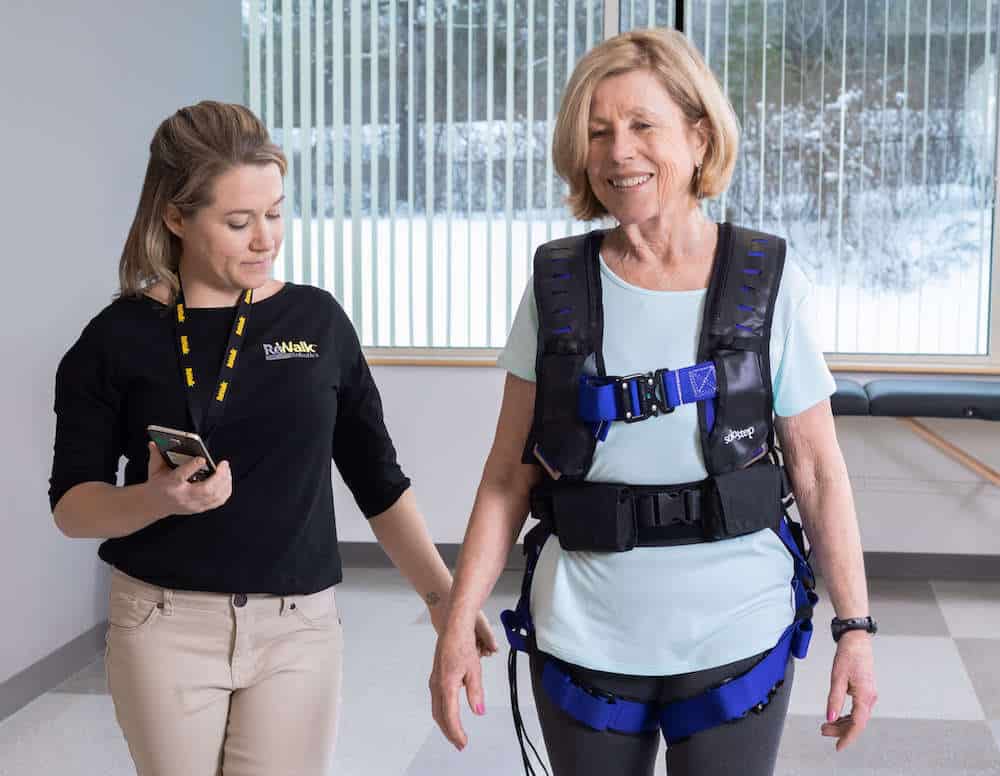
There is a drive for experienced clinicians to utilise their skills and available equipment to help our clients reach their goals. We are always looking at trialling and implementing systems into our practice that we feel will benefit our clients the most. Recently, Stephen Ruffle from ReWalk Robotics spent the day at STEPS providing the team with a training session to outline and demonstrate the capabilities of the Restore system. Stephen was very knowledgeable and passionate about the product and was able to answer all of our questions about the device. The benefits and systems of the device are clearly stated online on the ReWalk website.

COVID-19 could spark a cultural renaissance, according to some in the art world. Artists thrive on isolation, BBC arts chief Jonty Claypole points out, and therefore an explosion of new work could emerge from current conditions. The spirit of renaissance – meaning ‘rebirth’ in French – might also course through our workplaces. Kitchen tables, spare bedrooms and garden sheds are among the many residential quarters to have been commandeered by home workers recently.

Rolls-Royce through its data technology arm, R2 Data Labs, has partnered with the Motor Neurone Disease Association and some of the world’s leading technology companies, including Accenture, Computacenter, Dell Technologies, Intel and Microsoft, to pool technology and expertise to improve the lives of those living with extreme disabilities. For the first time, those living with MND will be able to have a conversation through a computer using their own voice, words, colloquialisms and accent, without pausing to type answers or being restricted to a prescribed set of words. The new technology, called Quips, uses voice-banking and AI to learn a person’s unique language style and use it in conversation.

Two new devices pioneered to help patients with drop foot are supporting the recovery of stroke and brain injury patients around the world. The L300 Go and L100 Go systems are wireless electronic devices which address issues experienced by patients whose ability to walk is inhibited. The systems, supplied by Ottobock in conjunction with Bioness, have been designed to lift a person’s foot as they walk, improving their gait pattern, making it smoother and safer.

The agreement means people with spinal cord injuries in Germany could benefit from use of the ReWalk 6.0 exoskeleton sysyem. This deal could have a significant impact for spinal cord injured individuals. Under this agreement, eligible beneficiaries will be able to obtain a ReWalk 6.0 exoskeleton device for use in the home that will enable them to stand and walk again, after successful training and verification by the medical service. Three SCI beneficiaries have already received access on the back of the news.

Blesma member Darren Fuller recently became the first veteran to receive a ‘Hero Arm’; the world's first clinically approved 3D-printed bionic arm. Designed by Open Bionics, the Hero Arm is a lightweight and affordable myoelectric prosthesis, with a wide range of grip styles. Its functions range from pinch grips to thumbs up and everything in between. It is available now in the USA, UK and France for below elbow amputee adults and children aged eight and above. Darren served with the Parachute Regiment for 20 years and was injured whilst serving in Afghanistan, causing him to lose his right arm below the elbow.

Every person has the right to lead an active, fulfilling, independent life; but the complex array of disabilities that affect one’s grip can severely challenge this right. Active Hands founder Rob Smith certainly discovered this to be the case, after a cliff fall left him partially paralysed in all four limbs. Frustrated at his inability to grip the various gym apparatus and weights, he set about creating a glove that could fasten his hands to whatever was needed; and so the General Purpose Gripping Aid was born! Fast forward to present day and The Active Hands Company now carefully designs and stocks a wide range of high-quality gripping aids that cater to anyone with reduced hand function and are perfect for use in rehabilitation, sporting and gym activities, home and hobbies, and so much more.
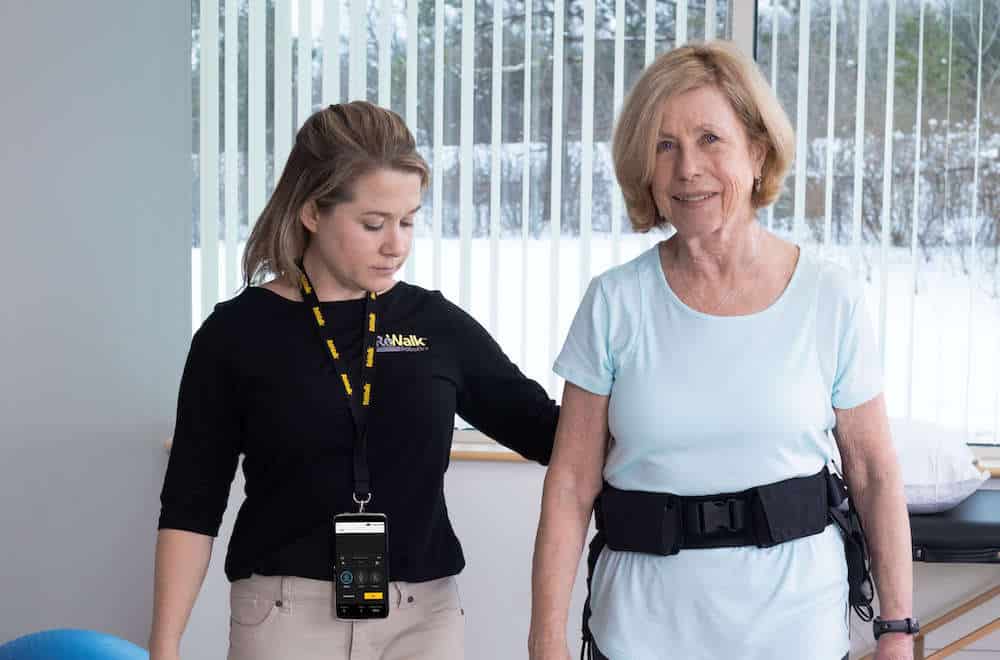
Part of the funds will be used to boost research and development resources related to its lightweight exo-suit technology for various lower limb disabilities. The device is designed for use after stroke and in other indications affecting the ability to walk. Alongside other purposes, the funds will alo support the continued development of its spinal cord injury device.


