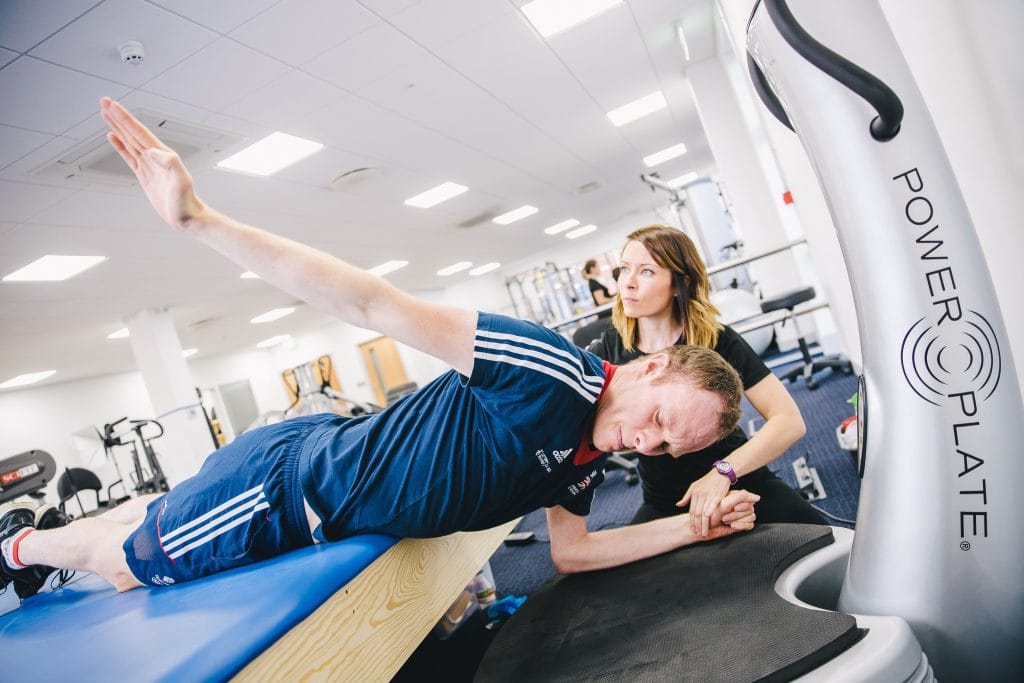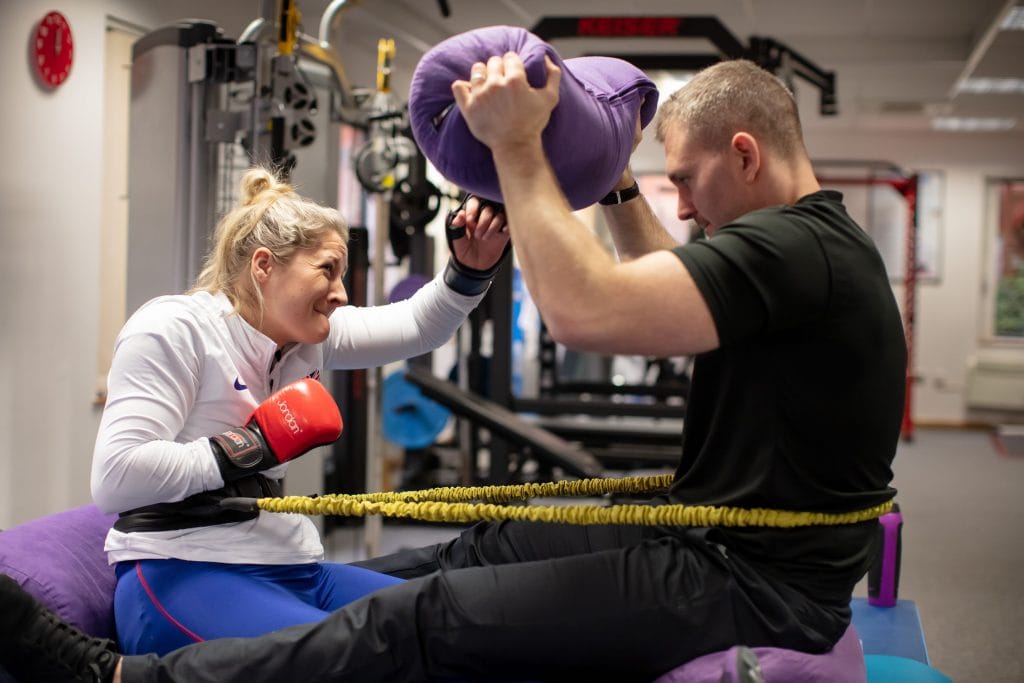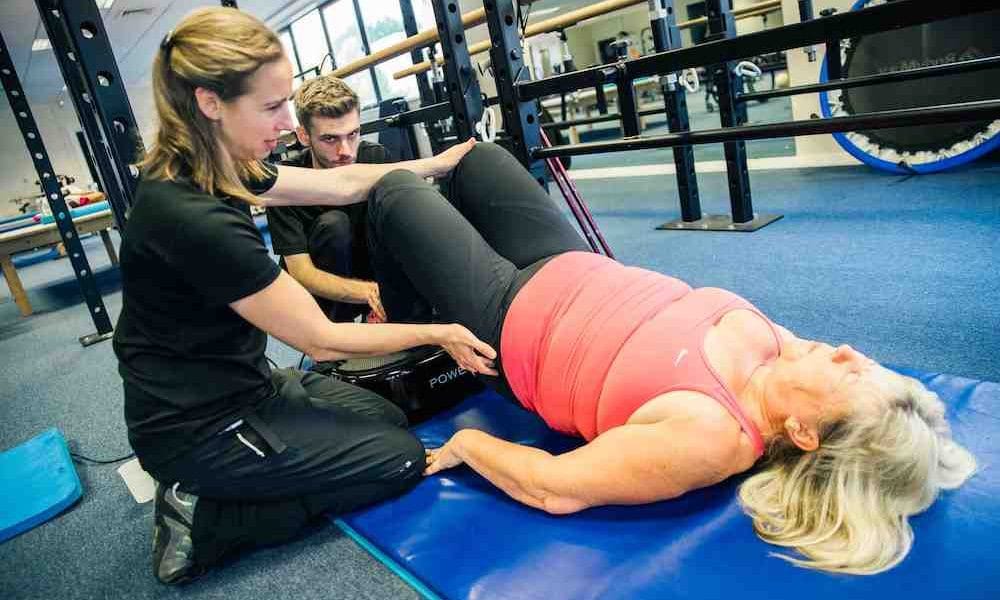
Defining when rehabilitation should start seems straightforward.
As soon as an individual is medically stable, evidence shows that it is beneficial for rehabilitation to begin. Starting at this earliest opportunity helps to minimise the effects of deconditioning and inactivity and reduce the risk of pressure sores and contractures. Defining the length of rehabilitation, however, and when it should ‘end’ is more tricky and continues to be subject to debate.
Over the years, guidance has been suggested for the timeframes of rehabilitation. With spinal cord injury, it has been said that the greatest recovery happens in the first six months following injury. It is also commonly cited that after two years it is unlikely for further recovery to occur. However, medical advances and breakthroughs in research are changing this. New and emerging technologies such as spinal cord stimulation are demonstrating that even in chronic injury, the nervous system has the ability for neuroplasticity long after two years post-injury.
Goal setting is a commonly used and exceedingly popular method of guiding length of rehabilitation. This ensures that interventions are guided towards achievements that are meaningful both to the individual and the service provider. However, alongside the physical and psychological needs of the individual, there are many other factors that can impact on the length of rehabilitation, such as their geographical location and circumstances. Service availability, financial constraints and family responsibilities can also all impact on someone’s rehabilitation journey.
Lessons from lockdown
Experience from the Covid-19 pandemic too has given a greater insight into the impact of disruption to rehabilitation.
At Neurokinex, we shut our doors in March 2020 for just over three months when the first UK-wide lockdown was announced. This meant a temporary curtailment to the rehabilitation of all the individuals with whom we worked. When we resumed our activities in July 2020, it gave us first-hand insight into the impact of suspending rehab.
We are well aware of the many consequences of being inactive, but following the lockdown, what we noticed in our clients was wide-ranging. Unsurprisingly, many clients had lost some of their fitness, stamina and endurance and, like a large proportion of the population, many reported that it had been difficult to keep their weight under control.
Alongside this and more worryingly, we saw losses in hard-earned function that had been gained over preceding months and a reduction in confidence with activities that are vital for independence in daily life. This was all despite the fact we provided virtual exercise programmes to follow at home during the lockdown period.
Reflecting on the impact of the temporary halt to rehabilitation influenced our decision to keep our doors open with strict Covid-19 measures in place during the second and third lockdowns. Our clients were hugely relieved by this as many wanted their rehabilitation to continue.
Lifelong challenges
The enforced period of closure also made us think about the challenge faced by individuals with neurological conditions throughout their lives.
Those living with such a condition have, effectively, to commit to life-long rehabilitation in order to manage their symptoms and maintain the gains that they achieve. Even just maintaining a steady level of function requires a significant level of commitment and motivation.
With a neurological condition, individuals need to ensure that they stretch sufficiently to manage spasticity and avoid developing contractures that can limit their function. They need to dedicate time to moving their body into positions which alleviate pressure and allow muscles to be stretched for longer periods of time, such as lying prone. They also need to maintain sufficient shoulder strength and control in order to deal with the increased demands on their upper limbs as a result of their injury without developing shoulder injuries which could have knock on effects on their independence and function.
Fitness is also key to be able to push a wheelchair or walk when a proportion of your muscles aren’t functioning fully and reduce the risk of developing cardiovascular disease or diabetes. Then, there’s the need to regularly practice activities that are more challenging so that the confidence and ability to perform these tasks when needed isn’t lost.
Lifelong rehab
All in all, it’s an awful lot for anyone to manage, in addition to the challenges that daily life throws at us. As such, we realise the value of rehabilitation services lies not just in helping individuals to achieve their goals, but also to develop the right mindset and confidence to manage these challenges throughout their life.
For those commissioning services, my message would be quite simply that rehabilitation for neurological conditions should never ‘end’. Lifelong support and follow-up are vital to helping individuals stay on top of their symptoms, optimise their function and independence and minimise the impact that their condition can have on their lives.