Brain imaging can help predict post traumatic stress disorder (PTSD) after brain injury, new research has revealed.
Through using magnetic resonance imaging (MRI), researchers have found potential brain biomarkers of PTSD in people with traumatic brain injury.
The study could help shed new light on how the symptoms of PTSD - including anxiety, depression and cognitive disturbances - arise, and researchers conclude that treatments and outcomes could potentially be improved if doctors could better predict who would develop the psychiatric disorder.
People living with brain injuries across the UK and Ireland are being brought together by a music therapy programme, which has delivered proven results in rehabilitation.
From its base in London, Connect Music Therapy has traditionally held its sessions in-person in people’s homes, but more recently launched an online offering which is enabling its reach to be significantly extended.
Founder Janina Brady, who also travels to her native Ireland to hold sessions, had adapted her business to enable her to reach greater numbers simultaneously, as well as allowing her to hold one-to-one sessions beyond Connect’s usual geographical reach in the UK.
Janina, who began teaching music in 2010, set up Connect in 2018 and supports people with a range of disabilities and additional needs.
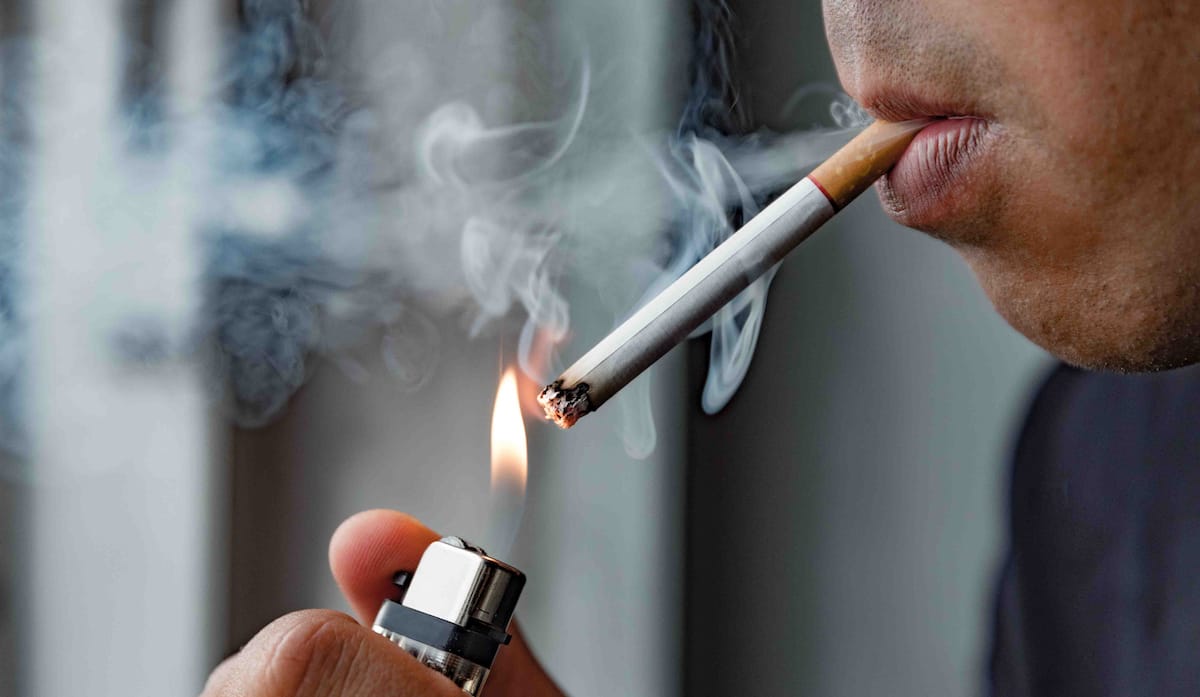
Adults who smoke, or are genetically predisposed to smoking behaviours, are more likely to experience a subarachnoid haemorrhage (SAH), new research has revealed.
The study found that while smokers are at a higher risk of SAH, that rises to over 60 per cent among those with genetic variants that predispose them to smoking.
The research, published in Stroke, a journal of the American Stroke Association, establishes a link between smoking and the risk of SAH for the first time.
A 12-week campaign is being launched today - Stroke Prevention Day - to help raise awareness of how the risk of stroke can be reduced.
The campaign encourages people to make one small positive change to their lifestyle to reduce the possibility of stroke, which is the fourth highest cause of death in the UK. According to the Stroke Association UK, 89 per cent - almost 9 in 10 - strokes are associated with modifiable risk factors in the Western countries, including lifestyle elements that can be changed to reduce risk, such as weight, diet and blood pressure.
Brain cancer could be triggered by the healing process from a brain injury, new research has said, in findings which could yield new breakthroughs in patient therapies.
The tumours of 26 patients with glioblastoma were analysed in the Canadian research project, and found that mutations can affect the process of new cells being created, which can therefore stimulate tumour growth.
“Our data suggests that the right mutational change in particular cells in the brain could be modified by injury to give rise to a tumour,' says report author and neurosurgeon Peter Dirks, from The Hospital for Sick Children in Toronto.
“Glioblastoma can be thought of as a wound that never stops healing.
Having had a subarachnoid haemorrhage the day after full lockdown was imposed on the UK in March, Lee Atkinson faced the trauma of a lengthy recovery without seeing his family. Here, he shares his story of how he coped.
For millions of people across the country, the onset of the COVID-19 pandemic marked the start of a hugely challenging period. But for Lee Atkinson, that challenge was one of survival, after he experienced a subarachnoid haemorrhage the day after the UK went into lockdown on March 23.
Having felt unwell for about three weeks, Lee, a car garage manager, was seeking medical attention for his developing situation.
Dedicated support for people living with Multiple Sclerosis (MS) is set to be increased through the addition of more specialist nurses and champions into the NHS and major investment in the development of an advice line.
The MS Trust is the only charity which provides additional specialist MS nurses into the NHS, and while it was forced to pause the initiative at the outbreak of the COVID-19 pandemic, it is now set to resume its NHS Specialist Nurse Programme with plans to create five additional roles.
Healthy children who contract COVID-19 can have severe neurological complications, new research has revealed.
Thirty-eight children from eight countries were found to have brain and/or spinal cord abnormalities.
The children, who all had MRI scans, presented with symptoms including fever, reduced consciousness, problems moving their arms and legs and cognitive dysfunction.
Most of the children (32) had either recovered (26) or were on their way to recovery (6).
Eight did not display the respiratory symptoms commonly seen in patients with the virus.
Growing demand is expected from people with brain injuries and neurological conditions in accessing support with mental health, Long COVID and employment rights, a specialist charity has revealed.
The Brain Charity has seen a 70 per cent increase in demand for its services from people across the country during the pandemic, a level it believes will grow further still as the effects of the pandemic continue to impact.
In response, the charity has vastly increased its support network nationally, taking many of its in-person group sessions online, enabling people to participate from well beyond its Liverpool base.
New funding has been assigned to help better understand the link between stroke and COVID-19.
Growing evidence indicates the strengthening of the link between patients contracting Coronavirus and also having a stroke.
Initial global research has identified a number of patient groups who are more likely to have a stroke, including those with pre-existing conditions affecting their heart and blood vessels, those with severe COVID-19 symptoms, as well as people of Asian ethnicity.
Indications also point to such people experiencing stroke in such situations being at least six years younger, on average, with symptoms being more significant.