Tech & industry
Rehab technology, assistive tech, equipment and the companies behind them.
 Brain injury4 Jun
A programme that connects brain injury survivors with technology developers has led to design changes in at least nine research projects, according to new findings. The initiative involves one-hour virtual sessions where innovators, including small-medium enterprises and clinicians, present their research plans to selected groups of patients with relevant expertise. More than 20 sessions have [...]
 Concussion28 May
Grassroots rugby concussion guidelines need to be improved as players’ brains remain altered despite them being symptom free and cleared to play, researchers have found. The University of Essex is the first to follow an amateur club across a gruelling 22-game season using brain imaging technology. The study led by Dr Ben Jones found seven [...]
 Spinal injury23 May
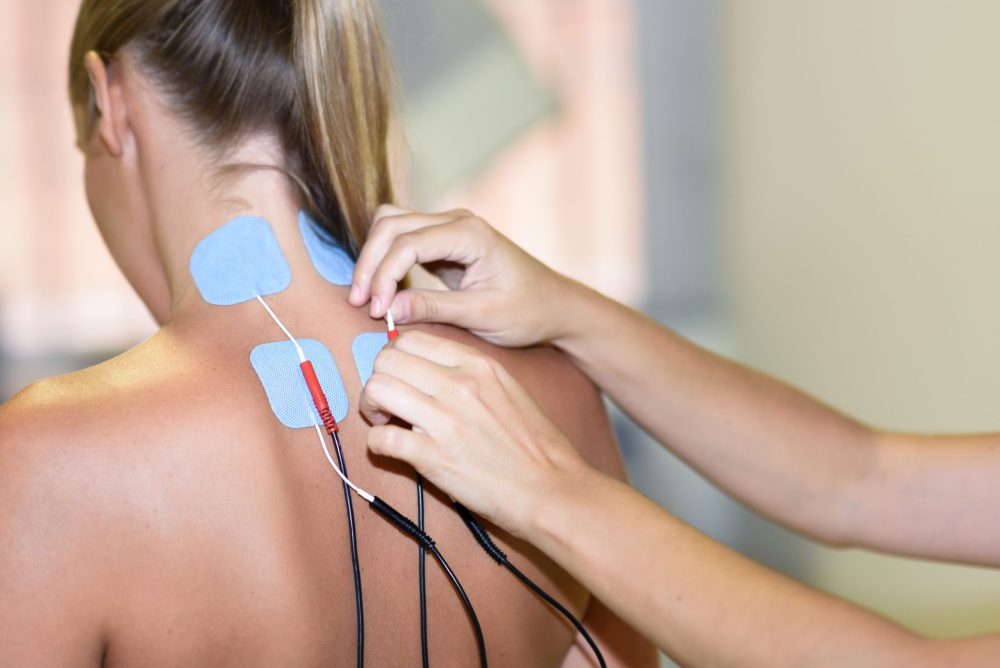
In a new clinical study, researchers have demonstrated unprecedented rates of recovery for spinal cord injuries in patients with upper-limb impairment using an approach called closed-loop vagus nerve stimulation (CLV). In the study, individuals with incomplete spinal cord injury safely received a combination of stimulation of a nerve in the neck - the vagus nerve [...]
 Brain injury23 May
When a neuron in our body gets damaged, segments of RNA produce proteins that can help repair the injury. But in neurological disorders such as ALS and spinal muscular atrophy, or following spinal cord injuries, the mechanisms for moving life-essential RNA to injured sites within the cell fail. As a result, RNA molecules can’t get [...]
 Dementia20 May
By combining information from many large datasets, researchers have identified several new potential targets for treating or preventing Alzheimer’s disease. The study revealed genes and cellular pathways that haven’t been linked to Alzheimer’s before, including one involved in DNA repair. Identifying new drug targets is critical because many of the Alzheimer’s drugs that have been [...]
 Dementia19 May
Researchers have developed a blood test that can identify early signs of Alzheimer’s disease by measuring proteins linked to the condition. The new test, known as Penta-Plex Alzheimer’s Disease Capture Sandwich Immunoassay (5ADCSI), detects five biomarkers simultaneously, which is more than existing blood tests and runs on equipment commonly used in many laboratories. Scientists have [...]
 Research14 May
Mitochondrial DNA (mtDNA) editing has emerged as a revolutionary approach in the fight against neurodegenerative diseases. As these diseases continue to impose a significant global health burden, the innovative use of mitochondrial gene editing offers a promising avenue to address their underlying causes. The dysfunction of mitochondria, triggered by mutations in mtDNA, is now recognised [...]
 Brain injury13 May
While there are currently biomarkers that have been identified for depression, they are not generally reliable and have, so far, not been widely applied in clinical use. Now, researchers have identified what could be the first reliable biomarker for the condition - potentially transforming its diagnosis and treatment. The brain uses networks to coordinate its [...]
 Parkinson's12 May
A music conductor in the US has returned to the podium after receiving innovative brain technology that controls his Parkinson's tremors, allowing him to lead his symphony with renewed confidence. Rand Laycock*, 70, was diagnosed with Parkinson’s disease shortly before turning 60 after seeking medical advice for thumb twitching. The retired music teacher has guided [...]
 Tech & industry12 May
Researchers have developed an extended reality version of Boccia - a precision ball sport - as a rehabilitation programme, showing how the game that requires accuracy and strategy can aid motor and cognitive skills. A team of researchers have developed Boccia XR - an extended reality of the precision ball sport - to evaluate the [...]