



Tech & industry

By Caroline Purslow, Head of Health, Challenge Works In July, following a lengthy regulatory review process and heavy patient campaigning across the UK - which gained extensive media coverage - the Medicines and Healthcare Products Regulatory Agency (MHRA) approved the use of Tofersen to treat those who are living with ALS (the most common form [...]
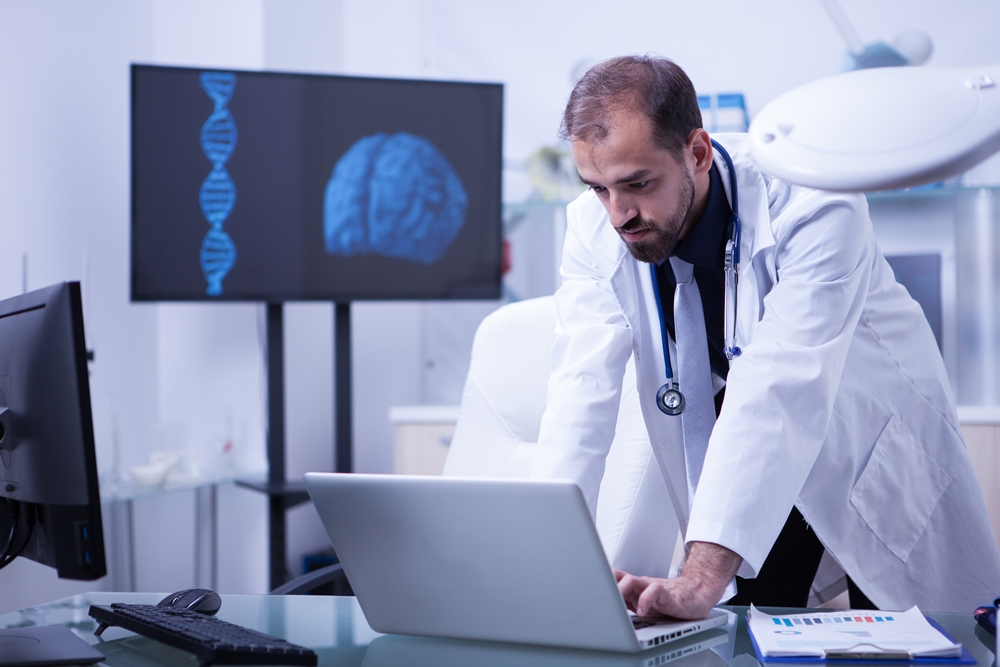
A new AI tool can spot signs of consciousness in brain-injured patients four-to-eight days earlier than standard bedside tests. The system, called SeeMe, tracks microscopic facial movements that are invisible to the naked eye to detect awareness in patients labelled as “unresponsive”. Up to 25 per cent of patients diagnosed as unresponsive may in fact [...]

An ultrasound helmet that can target brain areas 1,000 times smaller than previous ultrasound methods may offer a non-invasive alternative to surgery for Parkinson’s disease. The device directs mechanical pulses to regions as small as a grain of rice in the brain, potentially replacing deep brain stimulation (DBS). DBS requires electrodes to be surgically implanted [...]

Two people in Toronto have become the first in Canada to receive Neuralink’s brain-computer interface implants. The procedures, carried out at University Health Network (UHN) on 27 August and 3 September, involved patients with cervical spinal cord injuries – damage to the neck that can cause paralysis in the arms and legs. Each patient received [...]

Neuro Rehab Times explores the latest developments in the world of neurology and neurorehabilitation. Gut immune system mouse model of Alzheimer’s provided new target for therapeutics The gut immune system is altered in a mouse model of Alzheimer’s, new research has found. The research shows that some immune cells in the gut travel along the [...]
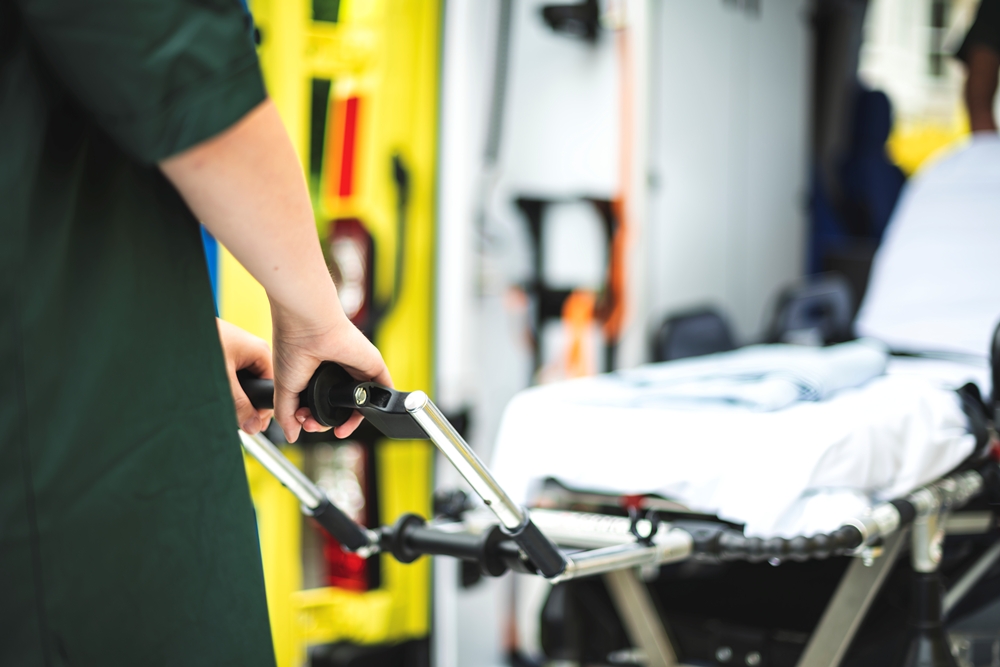
Half of all people who experience a stroke in England will now recover thanks to an AI scanning system rolled out across all 107 NHS stroke centres. The software analyses CT brain scans in about a minute, quickly telling doctors if they need to perform emergency surgery or give drugs – and can triple the [...]

Rats with completely severed spinal cords regained function after receiving 3D-printed stem cell scaffolds in a breakthrough that could pave the way for new treatments. The approach combines 3D printing, stem cell biology and lab-grown tissues to develop a potential therapy for spinal cord injuries – damage to the bundle of nerves running through the [...]

An MND patient who lost her voice 25 years ago can now speak again after AI rebuilt it from an eight-second VHS clip. Sarah Ezekiel, 59, from Hendon in London, was left unable to speak or use her hands when motor neurone disease (MND) – a condition that damages the brain and nerves – struck [...]
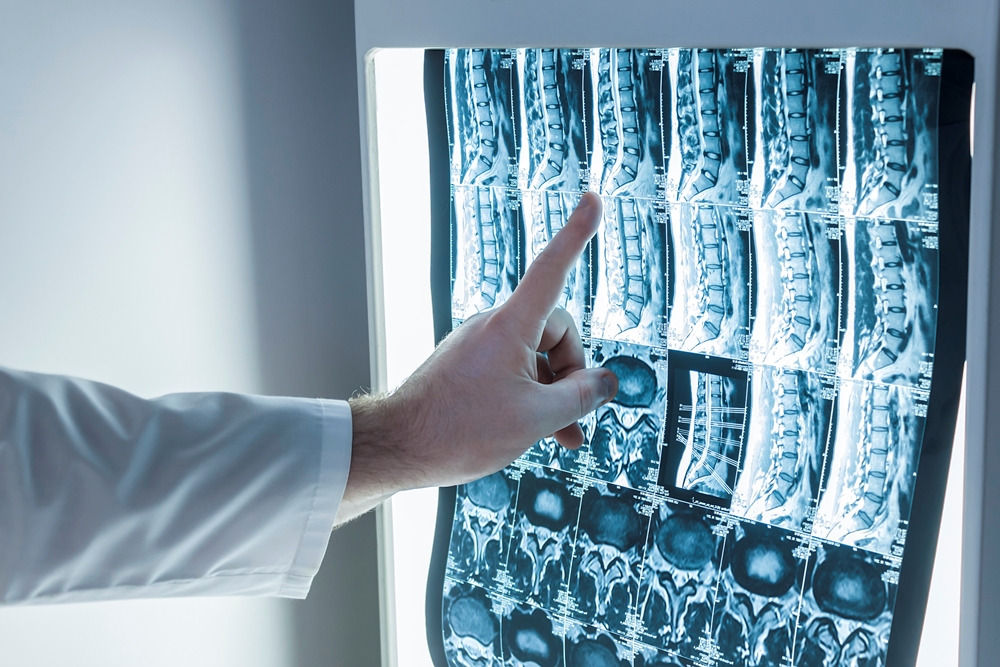
The FDA has approved a clinical study of an implantable device designed to stabilise blood pressure in people with spinal cord injury. The ARC-IM System, a neurostimulation device, will be tested in the Empower BP pivotal study across about 20 research centres, with patient enrolment expected before the end of 2025. Blood pressure instability affects [...]
Neuro Rehab Times explores the latest business and pharmaceutical developments in the world of neuro-rehabilitation. US$32m to advance left atrial appendage occlusion technology Medical device company Conformal Medical, has raised US$32m to advance its left atrial appendage occlusion technology. The funds will support the enrolment of the company's ongoing CONFORM Pivotal Trial and [...]


