



Uncategorised

An innovative ‘tilt table’ for patients needing immediate rehabilitation has come into use in its first NHS hospital. The Ergo tilt table has robotic movement capability, designed to mobilise patients with circulatory, neurological or musculoskeletal conditions. Research has shown early mobilisation can minimise or even prevent some secondary factors after injury.

Entries for a prestigious prize which recognises outstanding practice in the field of neuro-rehab have now opened. The ninth Franz Gerstenbrand Award, run by the World Federation for Neurorehabilitation (WFNR), recognises and rewards neuro-rehab projects that have made a difference to patients' lives.
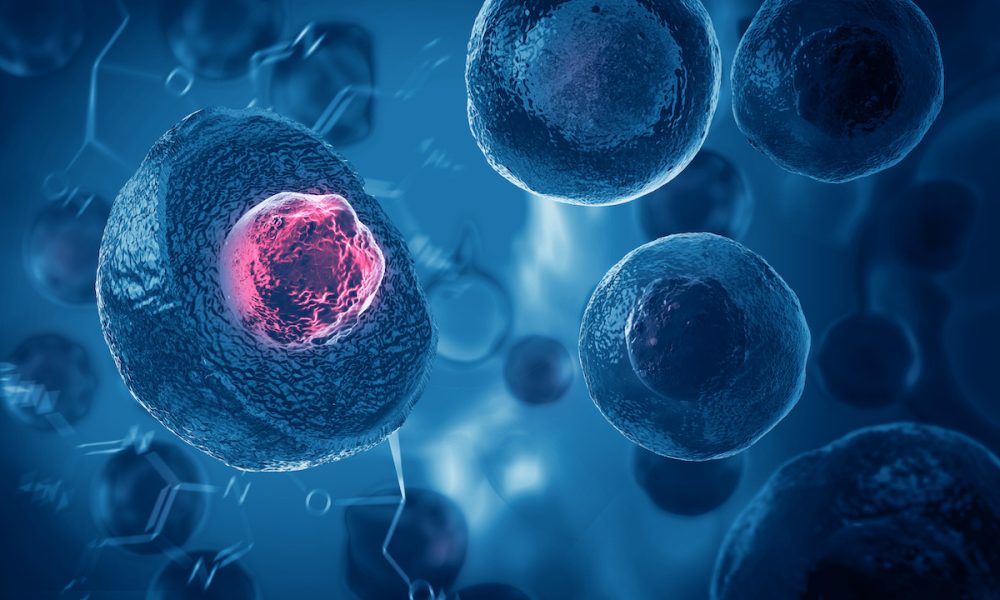
Autologous haematopoietic stem cell transplantation, or aHSCT for short, is usually used to treat blood cancers, and involves harvesting stem cells from the person’s own bone marrow or blood followed by chemotherapy and antibody treatment. Emerging evidence indicates that it is suitable for treating relapsing-remitting MS— characterised by distinct inflammatory episodes that cause varying degrees of residual disability. But aHSCT has yet to be included in most national clinical guidelines. The researchers therefore wanted to assess its safety and effectiveness when used in routine healthcare rather than under clinical trial conditions.

New research reveals life for brain injury survivors during COVID-19 lockdown, and how for a time they felt a level playing field was created - but how that has not been translated into the return to ‘normal’ life
The COVID-19 pandemic raised awareness of what life is like with a brain injury among the general population through shared experiences of loneliness and social isolation, and enabled survivors to feel ‘more inclusive in the world again’, a new study has revealed.
As part of our series of 'cheat-sheet' notes for the busy professional, Harpreet Kaur provides a useful snapshot of physiotherapy after traumatic brain injury.
The role of physiotherapy in the comprehensive rehabilitation process following a traumatic brain injury (TBI) is multifaceted and critical to the overall recovery of the individual. Traumatic brain injuries can result from various causes, such as accidents, falls, sports injuries, or assaults. TBI can lead to a wide range of physical impairments that affect mobility, strength, balance, and overall functional independence.
BIS Services reflect on its successful conference which tackled the topic of cannabis and brain injury
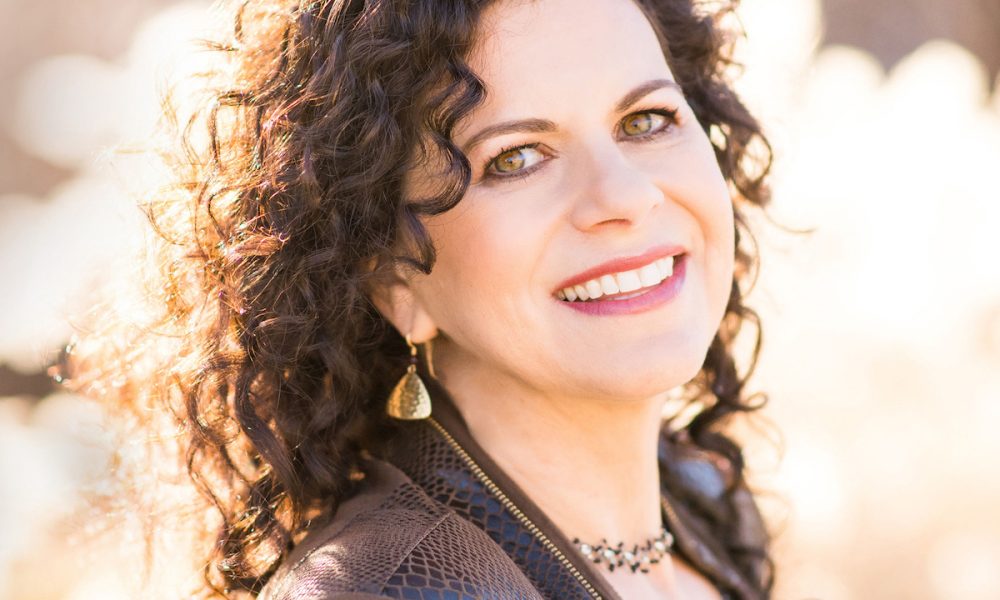
NR Times hears from a leading traditional naturopathic health practitioner who sheds light on the world of naturopathic medicine and shares her personal experience and journey towards holistic healing. One morning at the age of 29, Elizabeth Yarnell woke up blind in her right eye. Soon later, she was diagnosed with multiple sclerosis. She had never heard of naturopathy until the shock diagnosis in 1999 propelled her interest in a holistic approach to healthcare.
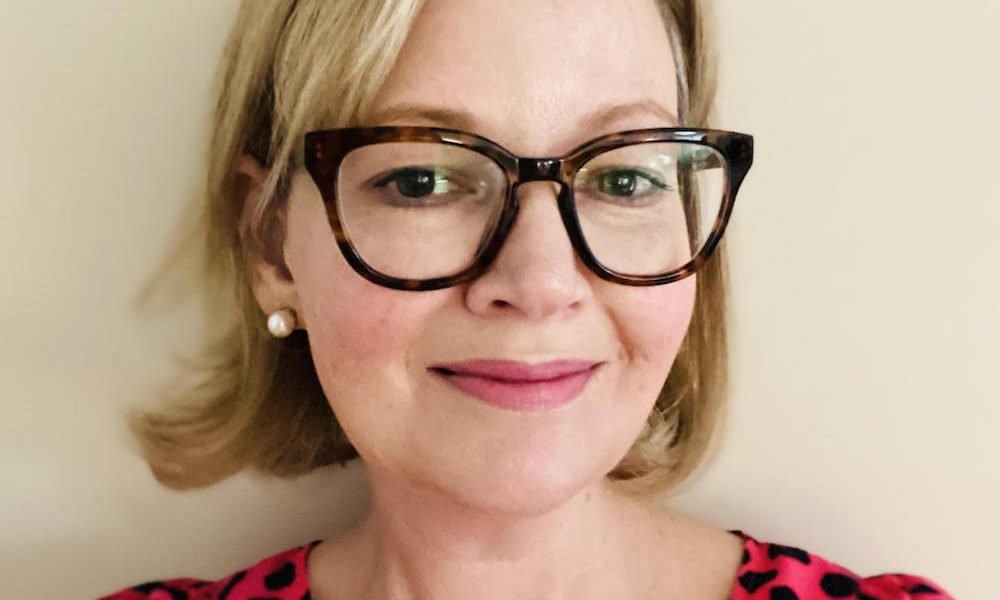
Dr Karen D Sullivan, board-certified neuropsychologist and founder of I CARE FOR YOUR BRAIN, talks to NR Times about neuropsychology’s power in improving neurological care, especially in dementia cases. Dr Sullivan’s journey in the field of cognitive impairment care spans from personal experiences as a direct caregiver to formal education at prestigious institutions like Harvard Medical School. One significant difference in how cognitive disorders are approached in neuropsychology is its shift in perspective from a medical-centric approach to a person-centred approach. Dr Sullivan draws attention to Thomas Kitwood's groundbreaking book, "Dementia Reconsidered: The Person Comes First", which played a pivotal role in reshaping the understanding of dementia.

The latest in our series looking behind the scenes of neuro-rehab care providers focuses on Superior Healthcare, headquartered in Southeast England.
Read on to find out about the benefits of being a nurse-led service, shifting dynamics in the search for rehab skills and the changes needed to improve NR outcomes in the UK.


