



Uncategorised

A charity is leading efforts to make Cauda Equina Syndrome (CES) red flags and support options more available and accessible to people with learning disabilities. While awareness of CES is growing, consequences of not receiving early intervention can be life-changing - but still the warning signs are not widely recognised within society and even within healthcare.

Chinese martial art Tai Chi could curb symptoms and complications of Parkinson’s disease for several years, a new study has found. Practice of the martial art, which involves sequences of very slow controlled movements, was associated with slower disease progression and lower doses of required drugs over time, the findings show.
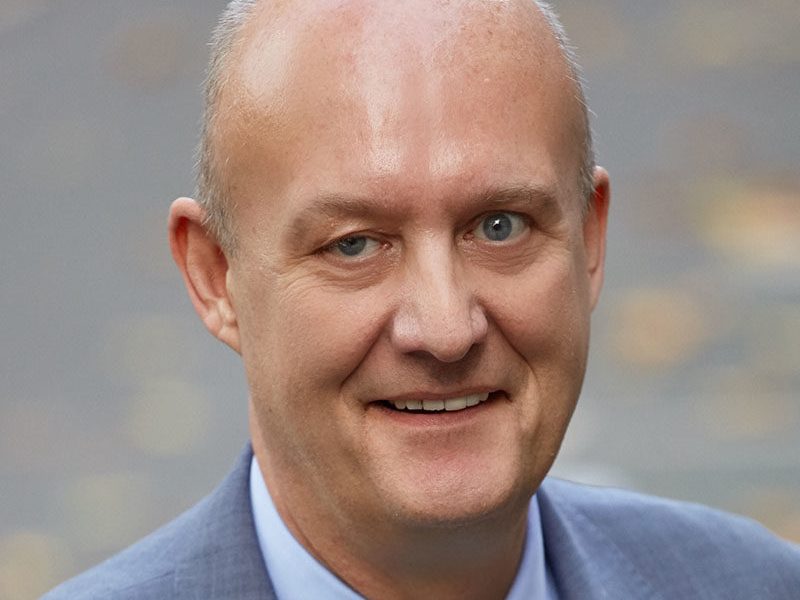
Making a career in care an attractive and sustainable option and embracing the power of technology are at the heart of stemming the workforce crisis and ensuring care provision can accommodate growing demand on resources, a leading expert in social care has said. Professor Martin Green, chief executive of Care England, said social care is facing the “perfect storm” of a workforce crisis and soaring demand for support - and with at least 154,000 vacancies and staff turnover of up to 30 per cent, the need for action only becomes more urgent.
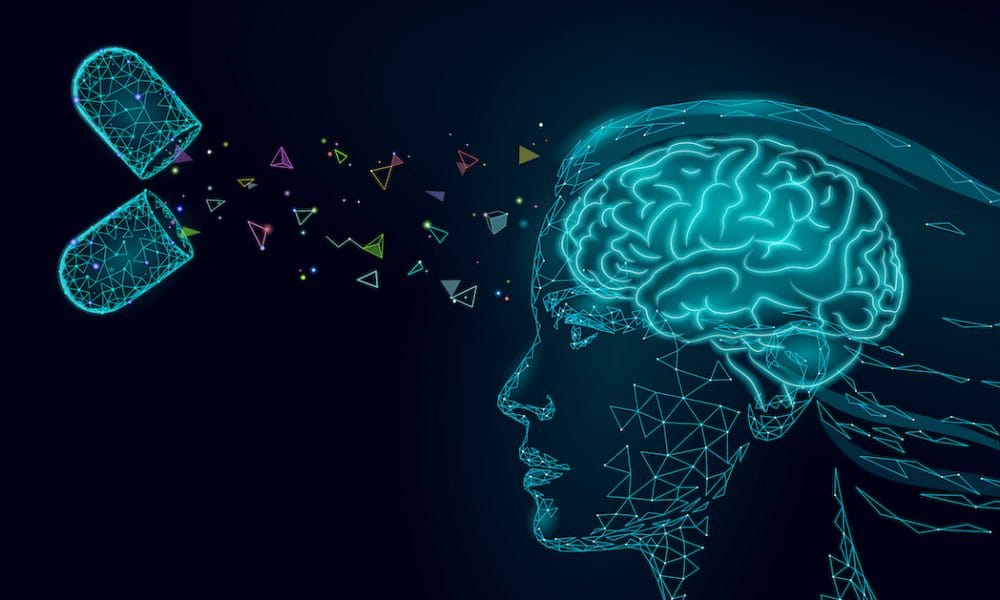
Clinical stage pharma company PharmaKure is set to embark on a clinical trial of a combined drug for patients with mild cognitive impairment. PharmaKure has filed a Clinical Trial Application (CTA) with the Medicines and Healthcare Regulatory Agency (MHRA) in the United Kingdom to evaluate PK051.

Widespread differences in metal levels within the brains of people with Huntington’s disease have been discovered through a new study. Elements including selenium (a metalloid), sodium, potassium, magnesium, calcium, iron, zinc, copper, and manganese, were studied in 11 parts of the brain.

The Children’s Trust, the UK-based charity for children with brain injury, has appointed a new CEO.
The Children’s Trust provides specialist rehabilitation, education and community services across the UK to children with brain injury and neurodisability and their families.
Over recent months, significant Parkinson's breakthroughs have emerged, offering renewed hope to millions of people living with the condition worldwide.
Recent scientific strides could transform the landscape of Parkinson's research, promising fresh insights, refined diagnostics and innovative therapies. Here NR Times presents a compilation of these groundbreaking discoveries, each contributing to the understanding, diagnosis and treatment of Parkinson's disease.
Women are almost 50 per cent more likely to experience depression after a traumatic brain injury or concussion, new data suggests.
Researchers have analysed nine previous studies – involving a combined study population of nearly 700,000.
With its AI-based care coordination platform, Viz.ai is transforming stroke care by making every second count. Senior director of clinical strategy, Dr Prem Batchu-Green, speaks to NR Times Viz.ai uses artificial intelligence to help clinicians make the correct diagnosis and communicate this with the relevant people within seconds. Using data from hospital systems, such as CT scans, echocardiograms, MRIs and electronic health records, the company’s algorithms are able to detect specific conditions in medical images and then share this with care teams across different hospital systems.

By Thomas Kosztowski, MD of Texas Back Institute.
Although they are rare, each year in the US about 200,000 arteriovenous malformations (AVMs) are diagnosed. These AVMs can be found anywhere in the body, but they are most common in the brain or spinal cord. Approximately 10 per cent of AVMs are fatal.


