



Uncategorised

The pioneering Heads Together programme has revealed its first set of findings around the need for social workers to be better supported in their understanding of acquired brain injury (ABI).

A new apprenticeship has been launched to help change the future of rehabilitation training. The National Rehabilitation Centre (NRC), in partnership with Birmingham City University, has launched a bespoke apprenticeship course which aims to change the future of rehabilitation training in the country.

The discovery could lead to a better understanding of depression and Parkinson's disease.
Researchers have identified a new neural circuit in the brain which produces a strong sense of discomfort when activated. The discovery allowed the scientists to show for the first time that the subthalamic nucleus, a structure in the brain that controls voluntary movements, may also play a role in the development of depression.
A new specialist nursing care home has been opened in North East England following £5.7million investment. Hylton Grange, in Sunderland, will offer much-needed support for adults with complex needs, and deliver care for adults living with complex mental health needs and neuro-disabilities including Huntington's disease and Parkinson's disease.

More than 150 million women worldwide use oral contraceptives. Combined OCs (COCs), made up of synthetic hormones, are the most common type. Sex hormones are known to modulate the brain network involved in fear processes. Now a team of researchers in Canada has investigated the current and lasting effects of COC use, as well as the role of body-produced and synthetic sex hormones on fear-related brain regions, the neural circuitry via which fear is processed in the brain.
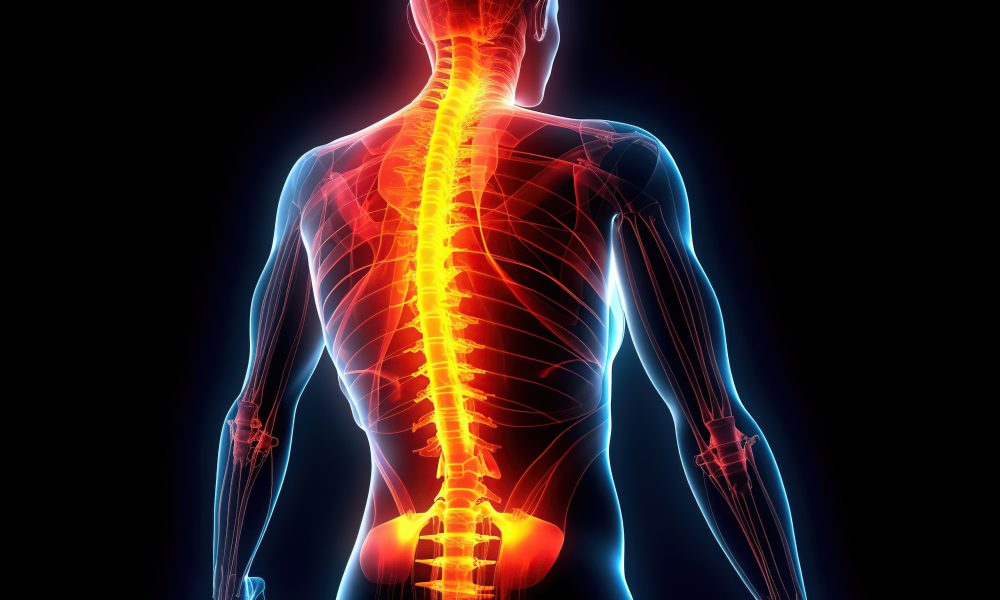
UK researchers have been awarded funding to build a working 3D model of the spinal cord.
A team from the Royal Orthopaedic Hospital, Aston University and the University of Edinburgh have been awarded a joint research fellowship to develop a working 3D model of the spinal cord, to improve understanding of the management of compressive spinal cord pathology. The idea for the project came about following a discussion between colleagues about a patient presenting with a multi-level degenerative cervical spine with multi-level spondylolisthesis. Multiple vertebrae in the patient’s neck were compressing on each other and several of these vertebrae were pushed forward creating an unstable spine.
There is a critical need for more reliable methods to identify concussions quickly and ensure players' safety. Concussions, medically known as mild traumatic brain injuries (MTBIs), are one of the enduring challenges in the realm of contact sports. These injuries result from the forceful impact of a blow, bump, or jolt to the head or body, prompting the brain to move rapidly inside the skull and disrupting its normal functioning. The statistics surrounding sports-related concussions in the United States underscore the urgency of addressing this issue. An estimated 1.6 to 3.8 million sports and recreation-related concussions occur annually in the country. A significant portion of these cases involves children and youth aged 5-18, contributing to approximately 2.4 million sports-related emergency department visits every year. Concussions account for 6 per cent of these visits.

The long-awaited ABI Strategy will not be delivered this year after the Government has “dragged its heels” in finalising the landmark project which is set to transform survivors’ experience of brain injury care. Having been given the go-ahead by the Government in December 2021, replacing the need for the Private Members’ Bill introduced by Sir Chris Bryant which called for this to become law, the ABI Strategy still has not been unveiled.
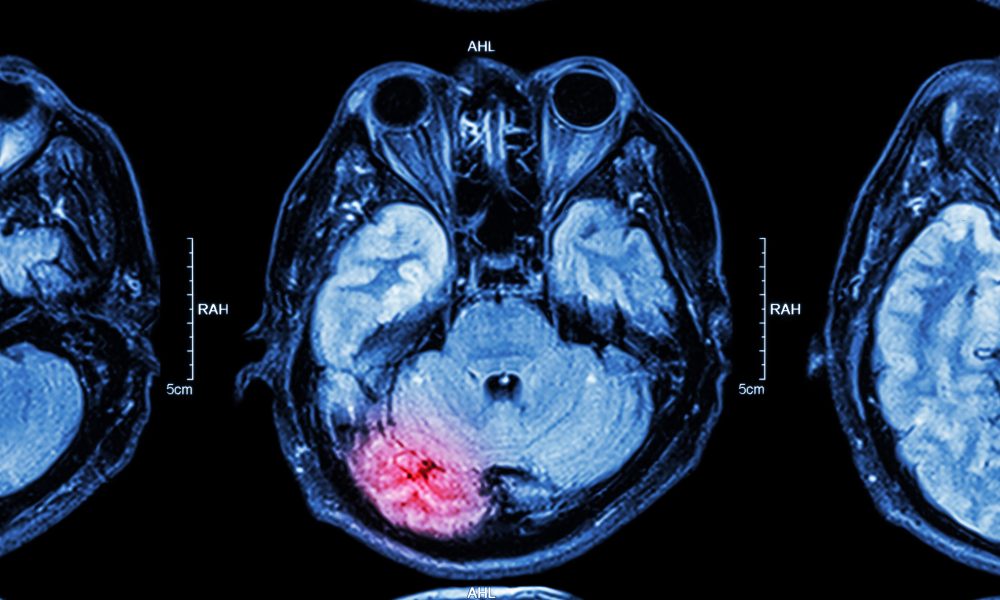
Mechanical thrombectomy (MT) is highly effective at preventing disability and death following large ischemic strokes, a new study has found. MT is the technique of removing a blood clot from the artery through a catheter. The research, published in The Lancet, found that the treatment was effective even an extended period after the stroke occurred. The [...]
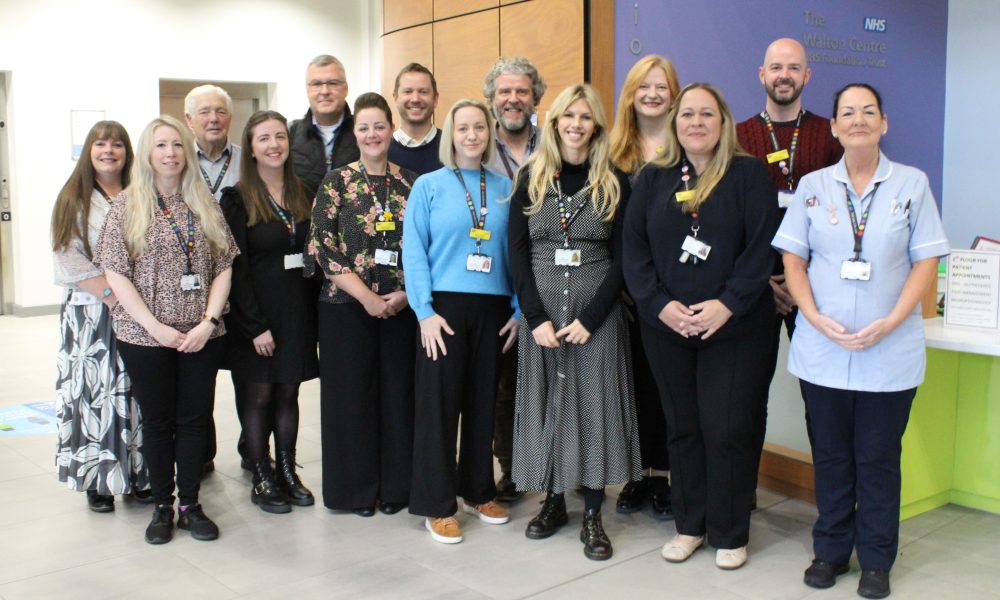
The UK’s biggest pain management service is marking 40 years of supporting people with chronic pain. The Walton Centre NHS Foundation Trust’s Pain Management Programme (PMP) has reached the milestone of four decades of service delivery, with over 15,000 patients supported in the last 20 years.


