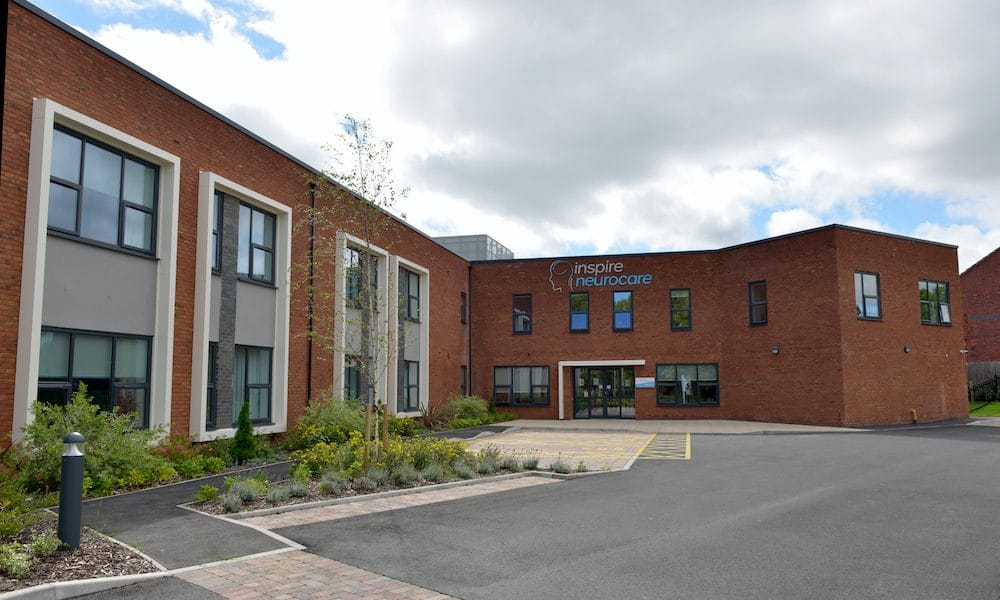
A neuro-rehab provider which opened its first facility in Worcester shortly before the first lockdown has succeeded against the odds – and now has plans to expand in 2021, as NR Times reports.
Inspire Neurocare provides support for people with a variety of neurological conditions, offering rehabilitation, respite and palliative care.
The firm opened its first specialist care centre in Worcester in February 2020, and this will be followed by further facilities in Basingstoke and Southampton in 2021/22. Inspire prides itself on a novel model of care that has “no limitations on the possibility of recovery,” all led by director of clinical excellence Michelle Kudhail.
A key element of the centre’s approach is the team’s commitment to understanding that every patient, and the circumstances that led them there, is different.

Whether this means enabling people to leave high dependency hospital units and develop their independence in a modern, home-from-home environment, or providing long-term support or end-of-life care, the service is designed to work around the needs of each patient.
Michelle’s background means she is the ideal person to head up the Inspire team, having worked as a neuro physiotherapist in the NHS until 2010, before moving into the private sector.
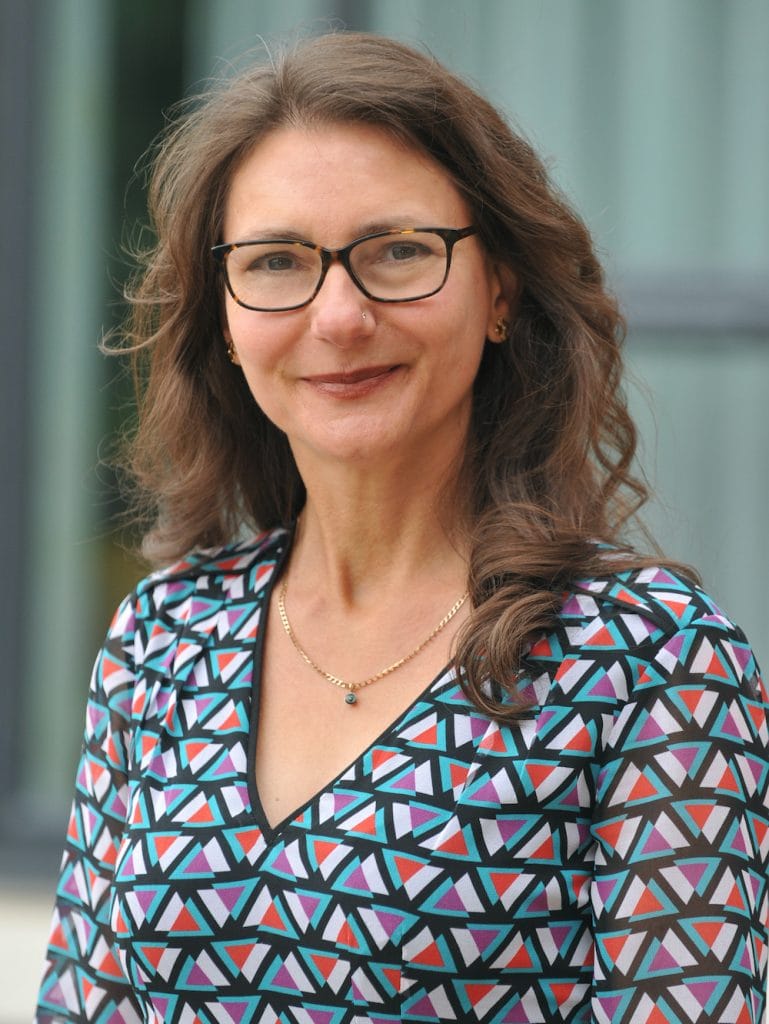
Michelle Kudhail, director of clinical excellence at Inspire Neurocare.
She takes an holistic approach to patient care, which has led to the creation of a team of life skills
facilitators and therapists at the provider, who develop their care around the needs of everyone.
“The life skills facilitators support and assist the residents to do as much as they can for themselves,” she explains.
“As the name suggests, their role is more than a carer; it is to facilitate the residents in all aspects of their care, whether that’s helping them get their breakfast, choosing what they are going to wear, or taking their medication.
“Their skills are broad because we want them to be involved in all aspects of the residents’ care; and because we want to provide what they need at the time that they need it.
“Roles such as this also enable us to evaluate the outcome of any action. If a resident has been given pain medication, a facilitator can assess whether it’s been effective, rather than a nurse giving the medication and then not seeing them until the next round.
“We also know from a therapy perspective that some patients don’t respond well to having therapy at a fixed time on a particular day; they simply might not feel like doing it. Our facilitators mean we can best provide interventions for the resident when they want them.”
Alongside this role, the facility also employs a wellbeing and lifestyle coach, focussing on the health and emotional needs of both residents and their relatives, particularly during a time when COVID has caused a lot of uncertainty.
Michelle says: “We wanted somebody that had relevant experience in working with residents, particularly with neurological conditions but also with a well-rounded experience so that they would not just focus on one aspect.
“The idea is to have somebody who can offer support in all areas, whether it be psychological, emotional or physical.”
Staff are overseen by experienced rehabilitation consultant Dr Damon Hoad, who shares his clinical oversight with the interdisciplinary team and supports patients on their journeys.
The rest of the clinical team have a wealth of experience within neuro services in and around the region.
The design of the Worcester facility draws on Michelle’s years of experience, and she had the opportunity to use her skills to help develop the purpose-built home.
She says: “We’ve had a lot of involvement all the way through from knocking down the pub that was there, to seeing it grow. Having the opportunity to be involved from the ground up was fantastic.
“Within the build itself we try to consider the needs of younger people, and so the inside of the home is very much a contemporary design and a lot of research has gone into its development to ensure it has the correct, up to date, equipment.”
Adding to the sense of autonomy staff are keen to foster, is the independent living flat, which staff are able to support via environmental controls.
With soundproofed rooms, residents can enjoy listening to music or watching films without disturbing others.
In common with all care facilities, the impact of COVID means that a lot of thought has had to go into the long-term plans for the property. The recently-built visitation suite – known as the ‘family and friends lounge’ – allows visitors to meet their loved ones in a safe and COVID-compliant way.
The suite includes separate access for visitors from outside, and features a large transparent Perspex screen separating each side of the suite, while an intercom enables contact-free communication.
As well as creating an infection barrier, the screen also assists when it comes to residents who may struggle to understand that they are unable to hug their relatives, while still allowing them to communicate and see each other up close.
After each visit, the room is cleaned and decontaminated in preparation for the next visit.
As Michelle explains, human contact is essential for emotional wellbeing, adding: “We’ve tried to create an environment that is as safe as possible, because we know how important visits are to the residents but, more particularly, to their relatives.
“Supporting the residents through this time is vital. We have residents that are used to going out and doing things in the community and we have had to adjust by being creative in the ways in which they can still access things that they enjoy and still communicate with their families.”
And while the pandemic has certainly delivered some challenges, Michelle and the Inspire team have been able to look at some positive outcomes.
She explains: “One of the positives for us is that it gave the team and the residents the opportunity to really get to know each other.
“We could also develop the life skills facilitator role to its truest form, because everybody was very much working together dealing with the crisis, supporting each other and supporting the residents.
“It was a testing time but it actually it brought the team together, bearing in mind the facility opened literally as everything was going into lockdown.”
The creation of the COVID-secure visitation suite is just one example of the creativity with which all at Inspire approach care, Michelle says.
By looking to build collaborations with other organisations, Michelle also hopes to share her hard-won knowledge, potentially becoming involved in research and training in the future.
Despite the upheaval of its first few months, the Inspire team has already achieved some successful patient outcomes.
One such success story is the case of Adrian, who came to the centre for specialist neuro-rehab following a car accident in which he suffered a severe brain injury. In the months that followed, Adrian’s journey enabled him to walk out of the service and return home to his wife and children.
(See Adrian’s story below – and read more here).
While the coming months may bring more challenges, as COVID lingers and vaccinations are rolled out, the Inspire team seemingly has the skills, approach and dedication to rise to whatever the future holds.