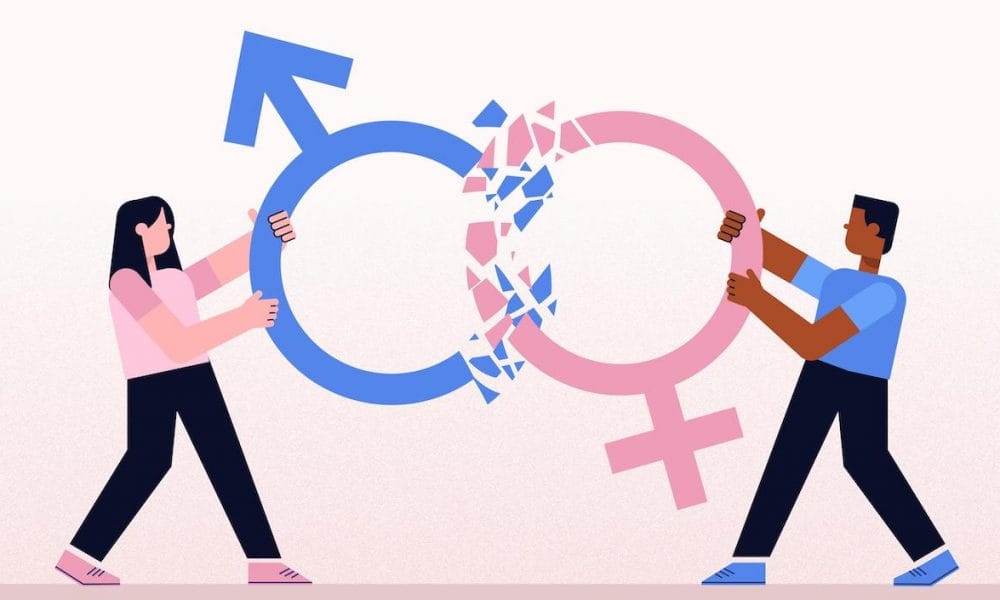
Men and women are impacted differently by the effects of neurological diseases, new research has found.
The study adds to a growing body of research suggesting sex differences play roles in how patients respond to brain diseases, as well as Multiple Sclerosis (MS), Motor Neurone Disease (MND), and other brain ailments.
That is progress from just a few years ago, say the University of Maryland team behind the new research.
“I have worked with vascular cells for 20 years and, up until maybe about five years ago, if you asked if the sex of my cells mattered at all, I would have said no,” says Alisa Morss Clyne, director of the university’s Vascular Kinetics Laboratory.

“We separated the cell data by sex, and it all made sense. It was an awakening for me that we should be studying this.”
Neurological conditions globally are significantly rising, with around 50 million people living with dementia, 10 million people have Parkinson’s disease and 2.5 million people living with MS.
These diseases occur when nerve cells in the brain and nervous system change and ultimately die, which is associated with the breakdown of the blood-brain barrier – a border of cells that keeps the wrong kind of molecules in the bloodstream from entering the brain and damaging it.
Published research has shown differences in the blood-brain barriers of men and women. Some of the research suggests the barrier can be stronger in women than men, and the barriers in men and women are built and behave differently.
That could factor into known differences in the sexes, such as Alzheimer’s disease being more prevalent in older women than men, while Parkinson’s impacts men more frequently and tends to do so more severely.
The University of Maryland authors say they hope their study will serve as a reminder to researchers not just in their own field, but across the sciences, that accounting for sex differences leads to better results.
“I think there is an awakening in the past ten years or so that you cannot ignore sex differences,” Clyne concludes.
“My goal is to inspire people to include sex differences in their research, no matter what research they are doing.”