



‘Don’t count the days, make the days count’
In our latest interview with the Brain Injury team at St Andrew’s Healthcare, we meet Dr Lorraine Childs, a Consultant Clinical Psychologist on Rose ward, one of only three secure neurobehavioural units in the country.
Dr Childs and the team on Rose use a neurobehavioural approach that supports people who have a forensic background to re-learn skills that have been impacted by their brain injury.
As she explains: “Unfortunately, brain injury can result in an increase in aggression, so we do a lot of work to identify what a patient’s goals are and help them to achieve their aspirations in pro-social ways that preclude the use of aggression.”
Co-production between patients and the clinical team has led to the development of programmes such as ‘Better Lives’, used to encourage people to take an active role in decisions about their care. These type of approaches are transferable across all settings where people are receiving support and rehabilitation following a brain injury.
We spoke to Lorraine to find out more.
What is your experience in mental health?
I have worked in mental health for over 25 years. I have worked across the UK including St Andrew’s, Broadmoor, Rampton and in New Zealand.
I specialise in Forensic Brain Injury. I used to specialise in LD but became very interested in the etiology of learning disabilities and people who had ABI from an early age.
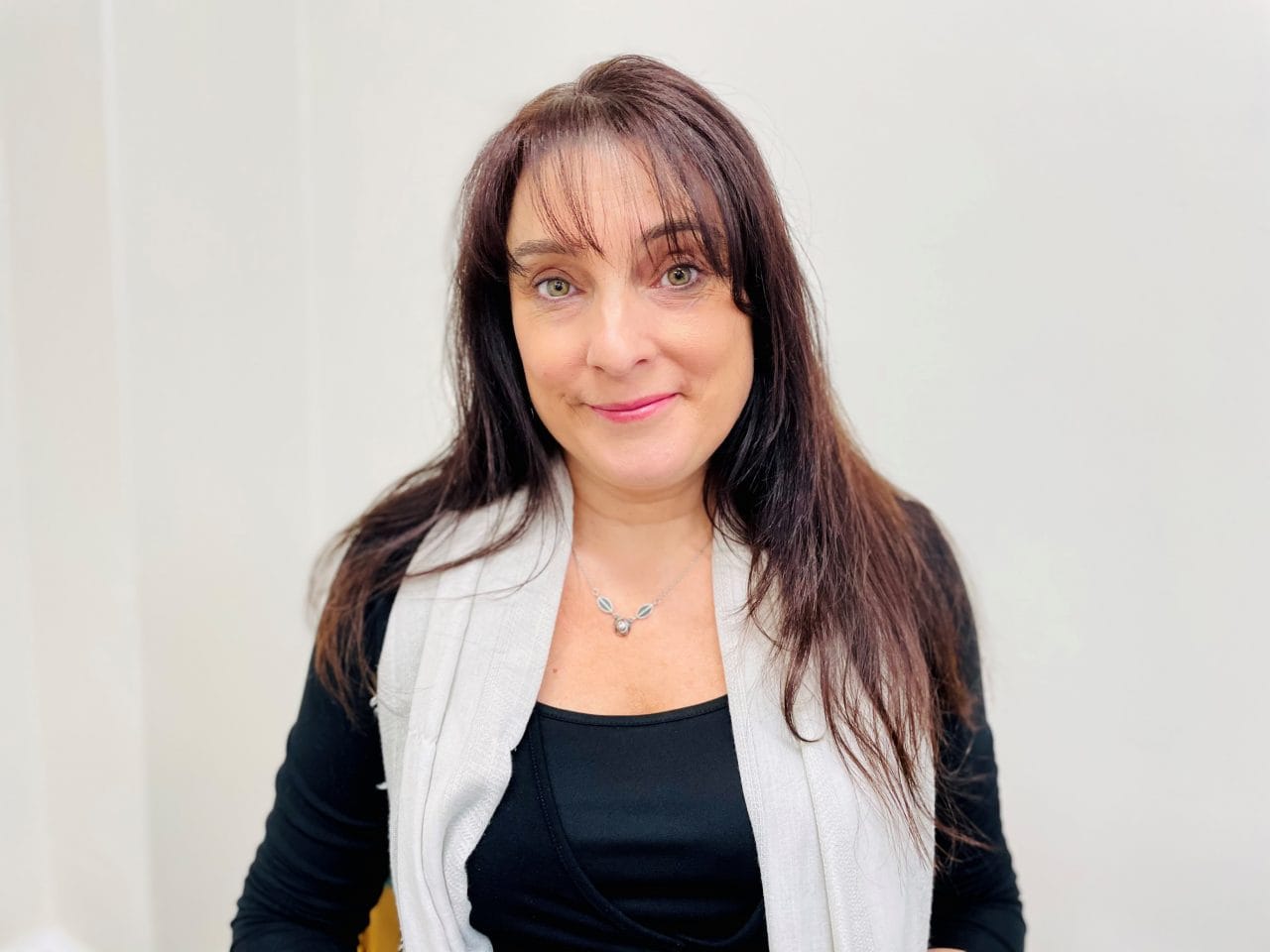
Dr Lorraine Childs
What are the challenges in your role?
People who have a brain injury and require secure care tend to benefit from consistent, structured treatment.
Many of our patients are negatively affected by change and inconsistency. Working with large groups of staff can make it difficult to keep things consistent and this has been especially pronounced during the pandemic. I try to counter this by keeping things simple and comprehensive.
What do you most enjoy about your role?
Working with a team of staff and patients. Creating things together, that are meaningful and purposeful.
On Rose we have a really good structured neurobehavioral programme, developed by staff and patients, which works at both a group and individual level.
Describe the service you work in and some of the approaches that you use.
Rose is a medium secure neurobehavioral ward for people who have forensic backgrounds. Unfortunately, aggression is one of the things which can accompany brain injury and this is why some people need secure care to keep them safe.
We work with a neurobehavioural paradigm, helping people to learn new skills or relearn skills that have been affected by brain injury. We give patients opportunities through extensive vocational options and a range of therapies.
Our ‘Better Lives’ programme provides people with opportunities to learn life skills. Patients really understand that they are here as part of their journey to achieve a better life.
In fact, our ward icon and motto is Muhammad Ali and his quote; ‘Don’t count the days, Make the days count’. In other words, the patients can influence their own future every day.
Co-production is key to this programme. For example, as a result of ‘Better Lives’ sessions we have co-produced a ward clinical treatment philosophy, a healthy-living programme and an information leaflet for newcomers. Patients requested for this to include information about timetables, events, contacting family and there is a poem written by a patient about their experience of moving here. Feedback about this is positive, one new patient said “it is informative and puts the mind at ease”.
We encourage patients to take an active role in decisions about their own care, especially via Positive Behavioural Support Plans and utilising feedback. Increasing involvement encourages ownership and responsibility, even within a necessarily restrictive setting, and can help equip patients for their future in settings of lower security and community.
Describe a typical patient presentation.
There is a very diverse group of patients on Rose ward. Ages range from late teens to 60s. If I had to describe a ‘typical’ patient it would be a male in his 40s who had a brain injury in his 20s, usually because of a road traffic accident or substance related, leading to a loss of functioning, cognition, social and physical abilities.
Most people who come to Rose have spent up to 10 years in standard psychiatric inpatient units and often well over a year in prisons. In fact, 100 per cent have been in psychiatric units and 70 per cent in prisons but only 16 per cent have had any psychological or neurorehabilitation.
So for many, St Andrew’s is the first time they have had some treatment support for their brain injury needs.
What is the difference between Rose ward and a general neurorehabilitation ward:
Rose is very unique due to the forensic aspect of the ward. Rose specialises in working with people with high levels of aggression and working with people to help them to find alternative ways to express themselves and achieve goals.
What are the main interventions used:
Our key intervention is the neurorehabilitation programme. This aims to assist patients in compensating for the deficits they have in communication, volition and motivation, by providing a scaffold structure where they can safely develop skills required for daily life that are lost because of their brain injury or lack of opportunities in early life.
We also do a lot of health promotion and healthy living work on Rose and have presented at conferences and won awards for our work. I think lockdown had a negative impact on most of our waistlines and so we have an opportunity for staff and patients to work together to improve our diet and wellbeing.
What sets St Andrew’s apart:
St Andrew’s provides a clear and structured pathway for neurorehabilitation patients, with evidence-based success for patient outcomes.
This shows how patients progress in terms of increased levels of cognition, social skills, reduced levels of aggression, and increased levels of leave within the community.
Most importantly however, the patients have the opportunity to move towards their life goals. 50 per cent of patients from our Medium Secure Unit go straight to community rehabilitation. Most others advance to low secure. All go closer to home. This is what we are here to do. We do it well and help to shape Better Lives.
St Andrew’s Neuropsychiatric service provides specialist pathways for brain injury, dementia and Huntington’s disease across secure, non-secure and step-down settings. To find out more visit the website HERE


