



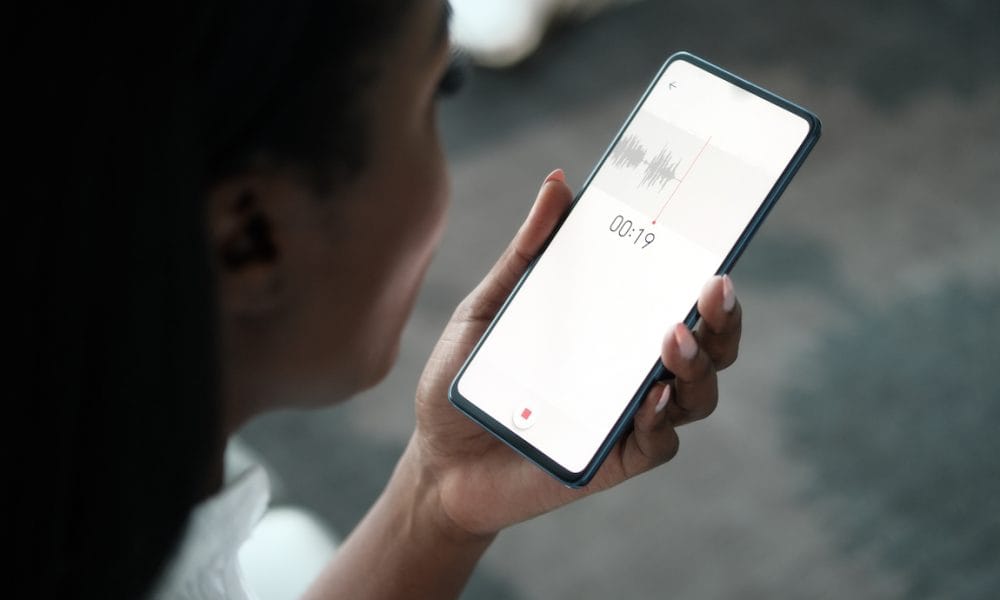
An app to track and improve communication recovery for people with aphasia is being developed, inspired by a stroke survivor who wanted to monitor his progress.
LifeCHAT is being developed to enable those with aphasia to receive therapy, set goals and monitor their progress.
The app will incorporate speech-to-text software; two-way interactive features to link stroke survivors and families with their speech pathologist; ongoing, individualised support and feedback; and real-life, real-time monitoring and assessment.
Its development was inspired by Gopal Sinh, a study co-investigator at the University of Queensland, himself a stroke survivor who is living with aphasia.
The smartphone app is now being co-designed with stroke survivors, their families and speech pathologists, to ensure its design is as effective and practical as possible.
“The idea for LifeCHAT originated from discussions with Gopal, who wanted a way to track his progress and recovery,” says Dr Sarah Wallace.
“Gopal was told by family and friends how his communication was improving during his recovery, however he wasn’t able to recognise these improvements and this affected his motivation to continue with therapy.
“LifeCHAT will allow stroke survivors to set goals, receive engaging therapy and monitor their own progress – a bit like having a fitness tracker for communication.

“We hope if stroke survivors can see and track their own improvements, they will be motivated to stick with their therapy.”
“It will be great to measure my progress and see how I am improving,” Mr Sihn said.
“It is important family are involved in designing the app as they are the first people who deal with aphasia all the time.”
More than 350,000 people in the UK alone have aphasia, and up to 40 per cent of stroke survivors globally are thought to have the language and communication disorder. 
With communication being a fundamental part of everyday life, the loss of the ability to talk to friends, send an email, read a book or pay bills can lead to depression, social isolation and family problems.
Dr Wallace said the app is being specially designed to challenge these occurrences and give tailored support.
“LifeCHAT will use geo-location mapping to track how social interactions are going and daily questions will prompt responses about experiences and feelings,” she said.
“This information will be used to produce visual graphs to link goals with progress.
“We hope the app motivates stroke survivors with aphasia to stick with their treatment and to keep improving.”
LifeCHAT will draw on the latest world-leading aphasia treatment and research in co-design with consumers, therapy technologies and psychology to motivate adherence to treatment.
Once developed, LifeCHAT will be available within UQ’s Queensland Aphasia Research Centre Tech Hub, an online and in-person consultation service that allows consumers and clinicians to trial technology solutions.


