



Neuromuscular training ‘helps protect athletes after concussion’
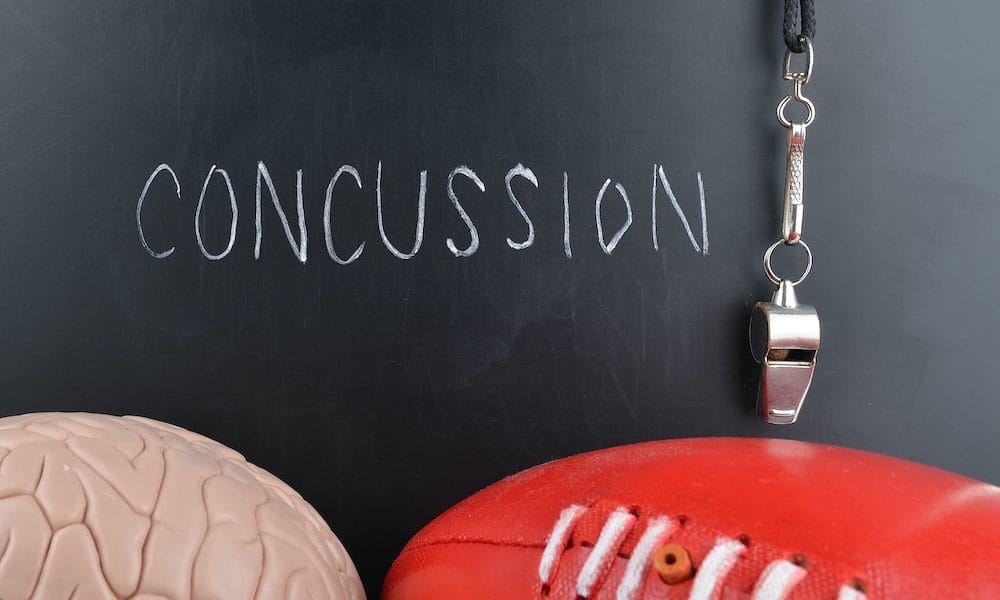
A neuromuscular training (NMT) intervention could help better support athletes as they return to playing sports after a concussion and reduce risk of subsequent injury for a year.
Findings of a new study indicate that the risk of sports-related injury for 12 months after the injury was 3.6 times lower among a group of athletes who completed NMT training than for those who did not.
NMT performed twice per week for eight weeks under the guidance of an athletic trainer can help keep sportspeople safe during a time after concussion where they may be potentially vulnerable, the Children’s Hospital Colorado research found.
The researchers now hope the efficacy of an NMT intervention could lead to new treatment approaches and better outcomes for athletes post-concussion.
“It is important to understand that a concussion is a brain injury, but it is one that athletes can recover from,” says Dr David R. Howell, lead researcher at the Sports Medicine Center, Children’s Colorado, and assistant professor in the Department of Orthopedics, University of Colorado School of Medicine.
“However, prior research indicates athletes who are cleared after a concussion have a greater risk of subsequent sports-related injuries such as ACL tears or sprained ankles than those without a concussion.
“We want to understand the risks and potential ways to mitigate risks so kids can get back to safely doing the things they love.”

Persistent neuromuscular control deficits – such as trouble with balance, posture, reaction time, or other functions necessary for sports performance – have been documented after athletes are cleared to return to sports.
In prior studies, this research team found that athletes demonstrated post-concussion deficits that were detected when combining motor and cognitive measures. Repeated impacts can have lasting effects, research has shown.
They also found that those deficits may take longer to resolve than symptoms and may contribute to a higher injury risk after a concussion.
In the study, 27 youth athletes were put through a progressive intervention including core strength training, multi-tasking performance and motor factors (balance, posture, attention, orienting, awareness or functional adaptability) over an eight-week period after clearance to return to playing sports.
For a year after returning from an injury, athletes kept a monthly log of sports-related injuries and organised sport competitions.
Preliminary data found that during the year after returning to sports following a concussion, time-loss sports-related injuries were more common among control group participants relative to NMT intervention group participants, despite similar levels of sports competition between the two groups over the year (75 per cent of the control athletes sustained an injury versus 36 per cent of the NMT group).
“An injury to the brain impacts many different parts of the body and the severity is hard to judge,” says Dr Howell.
“The brain is the core of who you are – it touches all facets of your life and has many different effects on individuals.
“Each athlete is on a recovery spectrum post-concussion, so we need to understand what interventions or treatments might work best for each individual.
“The clinical takeaway from this study was that a relatively simple and progressive intervention performed twice per week under guidance of an athletic trainer can help keep athletes safe during a time after concussion where they may be potentially vulnerable to further injuries.”
After athletes were cleared to return to sports following a concussion, the NMT intervention demonstrated a significant protective effect in reducing time-loss, sports-related injury over the subsequent year.
Despite the study limitations, these findings provide initial promising evidence for clinicians to consider when developing return-to-play and rehabilitation programs for athletes who sustain a concussion.
This is part one of a two-part study and next steps involve understanding if the same effects can be observed using a more accessible approach where the researchers ask athletes to perform a guided intervention using telehealth or smartphone technology.
“The hope is that under proper guidance of a sports medicine clinician or concussion specialist, this approach can be accessed by athletes who do not have everyday access to in-person rehabilitation,” said Dr Howell.


