Globally, the most common and severe psychiatric disorder is major depression. The World Health Organisation have reported that the COVID-19 pandemic caused a huge 25 per cent increase in the number of patients with anxiety and depression.
Despite that there is already many treatments available for depression, it is reported that a quarter of patients do not respond adequately to said treatments.
A collaboration of research teams from Li Ka Shing Faculty of Medicine, City University of Hong Kong (CityU) and The University of Hong Kong (HKUMed) have discovered that electrical stimulation of the eye surface can alleviate depression-like symptoms and could improve cognitive function in animal subjects.
The principal investigator of the new study, assistant professor Dr Lim Lee Wei reported in 2015 that deep brain stimulation of the prefrontal cortex in the brains of animals could improve memory function and relive depressive symptoms.
This therapy helps the growth of brain cells in the hippocampus, a region of the brain known to be involved in learning and memory function.
However, this technique is invasive and would require surgery to implant electrodes in the brain, which can have the potential to cause side effects such as post-operative complications and infections.
The research team, lead by Dr Lim Lee Wei, Dr Leanne Chan Lai-Hang and Professor Chang Ying-Shing have been exploring alternative options for treating neuropsychiatric diseases.
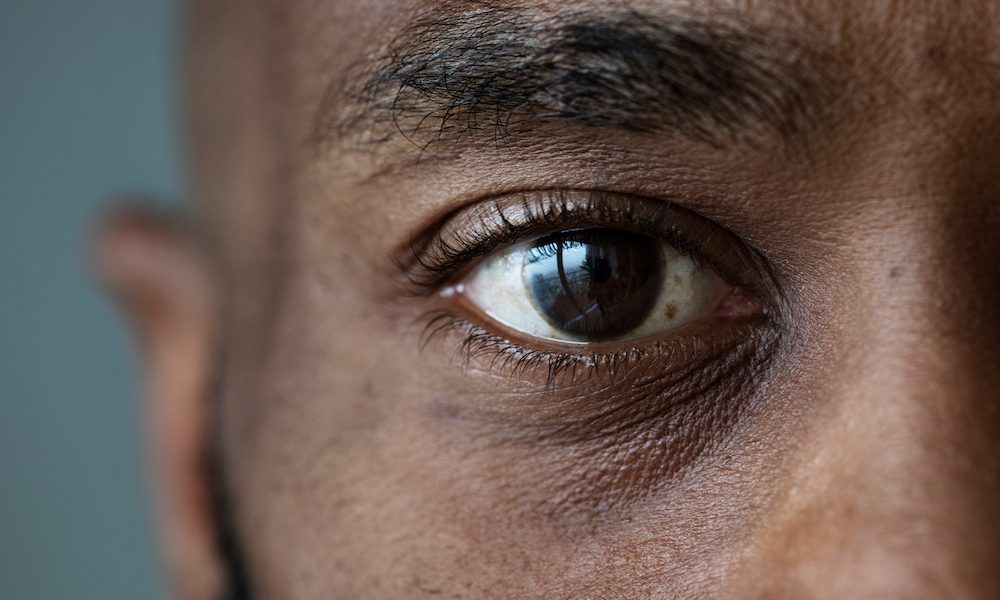
They have found that non-invasive stimulation of the corneal surface in the eye that activates brain pathways, lead to remarkable antidepressant like effects and also reduced stress hormones in an animal model of depression.
This technique known as transcorneal electrical stimulation, also induced the expression of genes that are involved in the building and growth of brain cells in the hippocampus.
In other related experiments, Yu Wing-Shan and other members of the research team investigated whether this approach could be used to treat Alzheimer’s disease, which currently has no definitive cure.
They discovered that this non-invasive stimulation in mice drastically improved memory performance and reduced beta-amyloid deposits in the hippocampus.
Associate professor Dr Leanne Chan, lead researcher at CityU and an expert on the electrical stimulation of visual and non-visual brain targets, said:
“transcorneal electrical stimulation is a non-invasive method initially developed to treat eye diseases, and it would be a major scientific breakthrough if it could be applied to treat neuropsychiatric diseases.”
Professor Chan Ying-Shing said: “These research findings pave the way for new therapeutic opportunities to develop novel treatment for patients suffering from treatment-resistant depression and dementia, nevertheless, clinical trials must be conducted to validate the efficacy and safety.”