Clinical neuropsychologist Dr Lynn A Schaefer provides NR Times readers with an in-depth summary of post-brain injury and stroke behavioural changes.
When I speak to groups about the neuropsychiatric sequelae of brain injury, I always start with the story of Phineas Gage.
In the field of neurorehabilitation, the tale of Phineas Gage is both compelling and memorable.
Phineas Gage was a railroad foreman, blasting rock to lay track in the 19th century in Vermont, US.
As the story goes, the tamping rod he was using to pack dynamite into the rock was blown through his left cheek when the dynamite exploded prematurely.
The rod took out his left eye and exited through the top of his skull. Gage miraculously survived but thereafter was reportedly “no longer Gage.”
His behavior and personality were profoundly changed, although he was able to walk and his memory was unaffected.
Although later accounts tell of some recovery, and he found different work for the remaining years of his life, his case is a classic in neuroscience and psychology, demonstrating the role of the brain (and particularly the frontal lobe) in personality and behaviour.
According to brain injury patient’s families and their neurorehabilitation providers, it is the behavioural, emotional, and personality changes from brain injury which are often the most difficult to work with and tolerate.
Some patients with brain injury may even have few cognitive deficits on neuropsychological testing.
Yet it is their behavioural dysfunction, even if subtle, which has been shown in studies to be most related to functional outcome, not their cognitive scores.
What kinds of behavioral changes can be seen following insults to the brain, whether from traumatic brain injury, stroke, infection, anoxia, or other causes?
Many happen to begin with the letter “A” and include symptoms you have probably never heard of before, such as: anosognosia, abulia (apathy), agitation, and aggression.
Other possible symptoms include disinhibition, poor impulse control, and emotional lability. I will discuss all of these in more detail below.
Some people with a brain injury may also experience depression or anxiety, either as a response to the injury and subsequent loss of independence and/or from the injury to the brain itself.
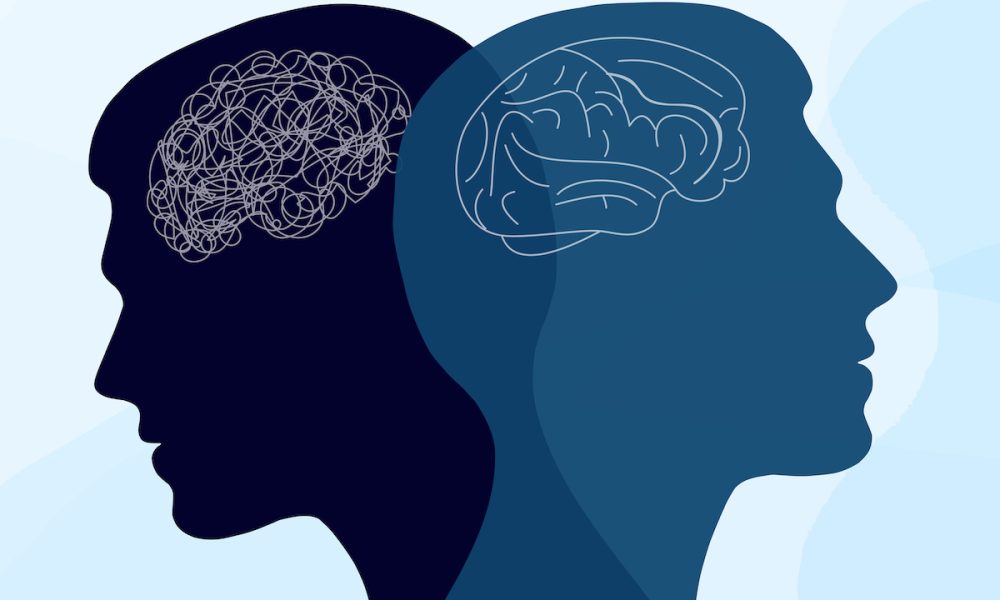
Given that personality is often defined as “emotional and behavioral traits specific to a person,” these changes following a brain injury can appear to transform one’s entire personality.
Sadly, I have heard from many family members of patients following brain injury or stroke that they feel they live with an entirely different person and that the former person is now gone.
Here are descriptions of some possible neurobehavioural changes, many of which are related.
Of note, these behaviours can also be seen in other conditions, such as dementia and psychiatric illness, but examples provided here will pertain to brain injury and stroke:
Anosognosia is a big word which means lack of awareness of, or failure to recognise, one’s deficits and disability.
This lack of insight can be especially frustrating for family and for the neurorehabilitation professionals, as the person with a brain injury or stroke may not notice any problems they are having nor appreciate the need for treatment.
Anosognosia can even be extreme, such as when a patient with hemiplegia does not believe they are unable to walk.
Although different than denial, which is a psychological defense, a person can have both anosognosia and denial.
Abulia refers to apathy related to brain dysfunction, with decreased motivation, emotion, and initiation, and reduced goal-directed behavior.
There is also loss of spontaneity in speech, thought, or action.
A person with a brain injury or stroke can have difficulty starting a task or conversation or engaging in an activity, even self-care or therapy.
Abulia is not volitional or the result of laziness; it is a result of brain damage. Clinically, it can look like depression, in that the person has a loss of interest and a slowing of motor and mental functions, but unlike in depression there is no sadness, hopelessness, guilt, or pessimism.
Thus, abulia, or apathy, post-brain injury or stroke is treated differently than depression, with different medications.
Agitation, including aggression, can also occur as the result of brain illness or injury. Someone with a brain injury can be irritable, have angry outbursts, be uncooperative or even be violent.
Stressful situations, overstimulation, pain, and fatigue can all lower the threshold for agitation.
Tips to reduce agitation include avoiding any triggers or overstimulation (as much as possible), redirecting the patient, keeping questions or commands simple, and being aware of your own reaction (i.e., being impatient or getting loud yourself will only escalate the agitation).
Disinhibition is the inability to inhibit inappropriate responses, or to shift when necessary. This can look like childlike or embarrassing behavior, inappropriate language (including the use of vulgarities), or sexually provocative behavior.
Patients may appear insensitive or lacking in social nuance, for example frequently interrupting or saying hurtful things.
We sometimes say that their “filter” is damaged. Very often, patients are unaware of their behavior or its effect on others.
Overlapping with disinhibition is impulsivity and poor impulse control. Thus, the person with a brain injury or stroke is unable to control their behavior and does not understand or think through the possible consequences.
This can lead to potentially dangerous situations, and put them at risk either physically or financially.
For example, a patient may spend too much money shopping based on commercials they see on TV, give their credit card information away to strangers, or leave their home unattended at night without anyone knowing.
Because poor impulse control overlaps with poor judgment, this behavior is especially difficult for families who must constantly supervise the patient for their own safety.
Emotional lability means trouble managing emotions, which can be exaggerated, change suddenly, be inappropriate for the situation, or be incongruent with how the patient actually feels.
Emotional lability and dysregulation can be disconcerting for both the brain injury or stroke patient and those around them, and can disrupt their personal lives.
It is out of the person’s control and thus is typically treated with medications, in addition to awareness training and relaxation techniques.
Thus, brain injury and stroke can result in profound changes to one’s behavior, which can be extraordinarily difficult to manage.
The presence of these behavioral symptoms predicts a patient’s functional outcome, and can appear to change the very essence or personality of a person.
The first step is knowing about and recognising these behaviors, before identifying what precedes and follows these behaviors in order to help manage them.