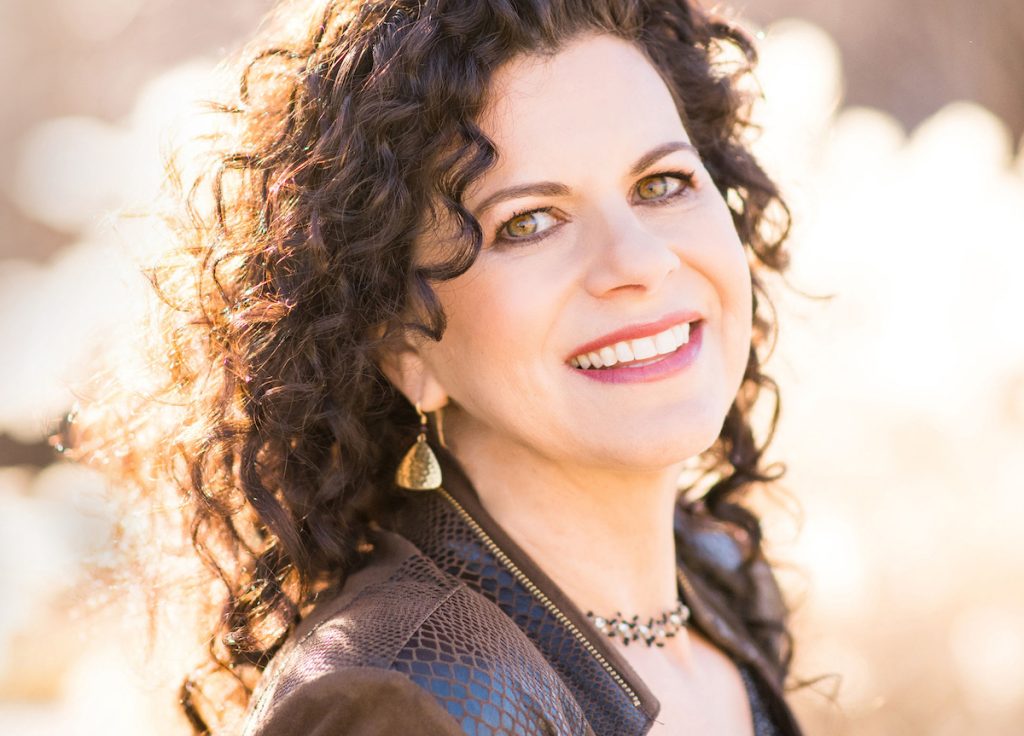
Dr Karen D Sullivan, board-certified neuropsychologist and founder of I CARE FOR YOUR BRAIN, talks to NR Times about neuropsychology’s power in improving neurological care, especially in dementia cases.
Dr Sullivan’s journey in the field of cognitive impairment care spans from personal experiences as a direct caregiver to formal education at prestigious institutions like Harvard Medical School.
One significant difference in how cognitive disorders are approached in neuropsychology is its shift in perspective from a medical-centric approach to a person-centred approach. Dr Sullivan draws attention to Thomas Kitwood’s groundbreaking book, “Dementia Reconsidered: The Person Comes First”, which played a pivotal role in reshaping the understanding of dementia.
Access to neuropsychology remains limited due to the scarcity of board-certified professionals. Dr Sullivan, for example, is one of just 30 board-certified providers in North Carolina.
She argues the need for increased awareness and collaboration with primary care providers to bridge the gap. By advocating for a dementia-capable healthcare system, she is striving to enhance the accessibility and effectiveness of neuropsychology.
Her approach reflects the evolving landscape of brain health, emphasising the importance of person-centred treatment. In this conversation, she emphasises the need to focus on the unique needs of individuals with cognitive challenges and combat the societal tendency to objectify and marginalise dementia patients.
NR Times: What brought you to this field of work and where does your interest in neurology and dementia stem from?
Dr Karen Sullivan: My grandmother had Alzheimer’s disease. I’ve never had another job except caring for people with dementia. My whole career has been focused on direct care of people with cognitive impairments.
I was a direct caregiver living with people in their homes from about 15 to 21. And then from 21 to 35, I was in college and university. I’m kind of unique in the sense that I have this very down-to-earth, homegrown appreciation of dementia.
I was really lucky that my mentors at incredible universities saw something in me to pick me to be in these training programs because I don’t fit the mould. I quit high school when I was 15 and I was really lucky to finish up my training at Harvard Medical School. It’s been this crazy journey of someone with a lot of heart for dementia who was really lucky to have the best education possible.
NRT: How has the perception of dementia changed over the last few decades and how does neuropsychology fit into this?
We’ve really come a long way since the 90s, in how we conceptualize the care of people with cognitive disorders. It really started in the UK, with Thomas Kitwood. It really was this watershed change in taking dementia from a medical condition to really appreciating that when the brain is involved, there’s a whole different person-centred approach that is needed.
We can’t just treat it like a knee that needs to be replaced. We have to make sure we’re really really focusing on the unique needs of people with brain health challenges. This is what neuropsychology really offers patients and the public; the person is first and the brain health condition is second
NRT: With your wide-ranging experience as a caregiver, academic and practitioner, what have you learned over the years about the needs of older adults and which of these needs are perhaps not being met?
Dr Sullivan: How I positioned myself is trying to serve the unmet needs of the brain health community. I think the two biggest things are education and empathy.
At the heart of what I believe and what I’m so passionate about changing about dementia, is that it isn’t just a neurological condition, it is also a social construct. It’s not just me who feels this way. This is a whole movement within dementia.
[Dementia] is the most feared condition of life. Part of that is because […] at the core of that fear is being forgotten. It’s not us forgetting, it’s other people forgetting us.And it’s true. We objectify, not just people with dementia, but anyone with a cognitive challenge. There are so many subtle, and not-so-subtle ways, that we start to treat people with dementia as if they are a chair. They get less invitations, they are talked to less at the dinner table.
My honours project was a focus group of people who had just been diagnosed with Alzheimer’s and what I wanted to know from them was when they go into an appointment, what is the most important thing for them? There were about nine of them in the group and every single one of them said, ‘Getting left behind in conversation is the thing that bothers me most’.
NRT: How can we foster inclusivity and address the needs of individuals with brain health challenges?
Part of what is so painful about dementia is that we conceptualise it; like the person fades away or they’re not the same person they were before. But part of what I believe is we, the people with healthy brains, create that reality.
It is not just an issue related to Alzheimer’s disease. It is a social construct that we put on a neurological condition. There are a lot of people who are interested, specifically in care homes, in making sure that we focus on the six core needs of people with dementia, which are comfort, attachment, inclusion, occupation, identity and love.
That’s what every person needs but it’s stripped of people when they’re perceived as not being all there. We have to be very intentional in surrounding them with those human experiences.
NRT: How does neuropsychology help address these needs and foster a more personalised approach to dementia care?
There are dozens and dozens of diseases that cause the clinical state of dementia. In neuropsychology, what we’re good at is assessment, paper and pencil testing, review of medical records, interpreting brain scans. It’s the integration of all those data points that tell us the specific disease that is causing the dementia.
A typical GP oftentimes leaves it at the term dementia. Neuropsychology asks, well, maybe it’s mixed dementia, which is actually the most common subtype. That is Alzheimer’s disease, but also there might be a little bit of a vascular component. There hasn’t been enough optimal oxygen to the brain over time.
We might also see there is some Lewy Body Dementia that’s developing. Once we know the unique constellation of the diseases that are causing the dementia, then we can personalise care, medicines, education and support, so we can understand their future prognosis a little bit better.
In neuropsychology, one of our greatest contributions is the time that we spend with patients. We typically do a one-hour interview, about two to three hours of cognitive testing and then one hour of feedback. The reason that is so valuable is because it allows us to develop a relationship.
Why is neuropsychology not currently widely known or accessible and what can be done to boost awareness?
Well, there are not a lot of us. The other part of it is that we still have this idea even in primary care or with general practitioners, that a brain health concern goes to a neurologist.
We then often have to penetrate primary care to say ‘Actually, let us show you what we can offer’ or you develop a relationship with a neurologist who appreciates the input of neuropsychology.
[Neuropsychology specialists] also don’t get to see as many patients. I typically see four to six new patients a week, whereas my neurology colleagues probably see 30 to 40 a week. So we’ve got some problems with pipeline.What I’m really focused on in the next phase of my career is working with GPs and primary care to retrain them on becoming dementia capable. If you look at the literature on where brain health is going, everyone agrees this is what we have to do because there are just not enough specialists to go around.
Do you see any hesitancy from the traditional healthcare system when it comes to working with neuropsychologists?
I think the hesitancy is just a lack of exposure. In my area of North Carolina, they had never had a neuropsychologist before.
I spent years and years doing public lectures to empower patients to ask for referrals so that was a different kind of marketing. Usually, doctors try to market to other doctors to get referrals, but I know people want this and if they understood that […] it is an evidence-based way to personalise brain care, I knew the public would demand it.
Since doctors in my area saw the work product and saw how happy people were with the care, my practice has been extremely successful. And once patients and referring providers understand what we provide as neuropsychologists, it is so extremely welcomed.
But until you work with one you just don’t know it’s something that could help you or your patients.
A big part of your work is advocating for greater access to and awareness of neuropsychology. How do you go about this?
Supporting people in being their own best advocate is my primary goal with I CARE FOR YOUR BRAIN because when we get so little time with brain health specialists, you have to go in with an agenda. If you don’t dictate the conversation you’re not going to get the care you want and people don’t know what they don’t know.
I’ve had a private practice for about 10 years, but five years ago, I had this realisation that there was a core set of evidence-based recommendations that I was giving to my patients.
I mostly see folks over 65 who are worried that they maybe have dementia. This is a one-to-one model; one doctor, one patient. But I [realised] I could be touching so many more people if I used the free accessible nature of social media.
For five years, once a week, I’ve been going on Facebook and YouTube and doing a free brain health lecture that is really based on this philosophy of education is empowerment. I have about 60,000 people that follow me and it’s incredible to see how it’s grown over five years.
[Public awareness] is at the heart of what I’m trying to do with I CARE FOR YOUR BRAIN. It’s a public health campaign to change the power dynamic from doctors having all the brain health information to patients.