


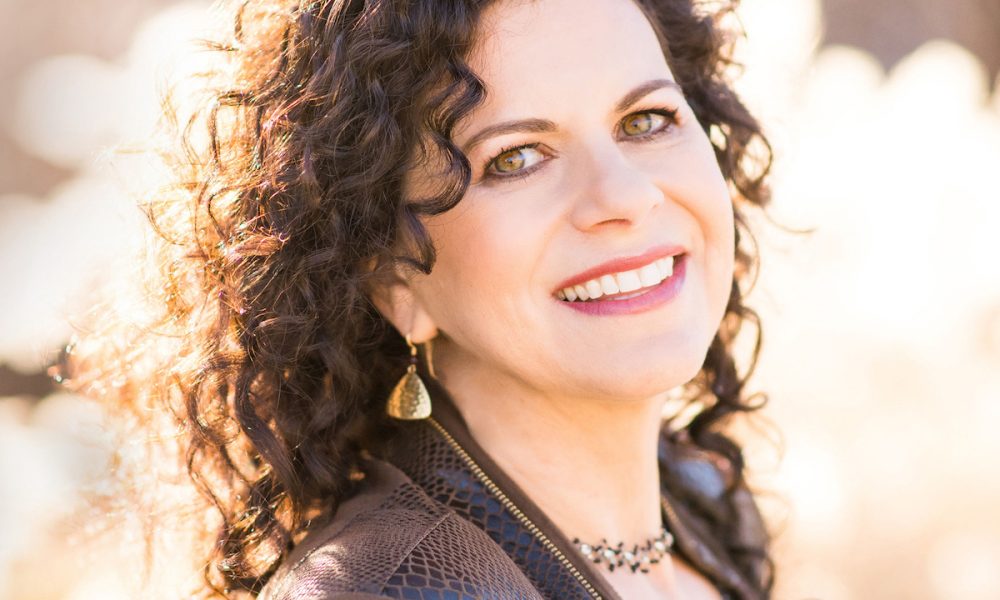
NR Times hears from a leading traditional naturopathic health practitioner who sheds light on the world of naturopathic medicine and shares her personal experience and journey towards holistic healing.
One morning at the age of 29, Elizabeth Yarnell woke up blind in her right eye. Soon later, she was diagnosed with multiple sclerosis.
She had never heard of naturopathy until the shock diagnosis in 1999 propelled her interest in a holistic approach to healthcare.
Speaking to NR Times from her home in Denver, Colorado, Yarnell recalls the moment she received the terrifying news. The prognosis was frightening and disheartening, as doctors warned her about the high probability of significant disability within a decade.
“I was told that 80 per cent of MS patients experienced significant disability within 10 years of diagnosis,” she says. “I was just about to turn 30 years old and by the time I turned 40, they told me I would probably be in a wheelchair.”
“Getting diagnosed with multiple sclerosis was absolutely terrifying. I had to think about what I was going to do with my life.”
Working as an instructional designer at the time of her diagnosis, Yarnell faced challenges at work as brain inflammation began to affect her ability to think, read and write.
The severity of her symptoms became apparent when she struggled to edit an article while working as a freelance journalist. She eventually had to submit substandard work due to her deteriorating vision.
Determined to find a way to improve her health, Yarnell sought advice from her fiancé, a competitive athlete, who suggested that her diet might be a contributing factor.
It was a wake-up call for her, realising that her diet mainly consisted of processed foods, such as diet soda, Crystal Light and gummy bears.
This is when Yarnell’s passion for holistic healthcare flourished.
“When I was in university, I had never even heard of naturopathy,” she says. “I became interested in health when I got sick myself at the age of 29 and was diagnosed with multiple sclerosis. Traditional naturopathy appealed to me as it focused on natural methods of healing without relying on pharmaceuticals.”
Naturopathic medicine, as Yarnell explains, involves the use of natural elements, excluding pharmaceuticals, surgeries and diagnoses.
As a traditional naturopath, her clinic embraces various modalities such as homoeopathy, diet, herbs, breathing techniques, chiropractic care, aroma therapy, light therapy, laser therapy and other non-pharmaceutical approaches.
Initially, Yarnell followed doctors’ orders and took a wide range of pharmaceutical medications, but these had disastrous effects on her body.
“My medical doctors were all quite adamant that the only chance I would have to safeguard my future would be to take one of the pharmaceutical disease-modifying therapies that were available,” Yarnell recalls.
“This was 1999 so there were only three medications that were available for MS. I chose one and I took it on and off for five years. It was an injectable and it gave me hives all over my entire body. A good day was 30 hives, a bad day was 300 hives every single day for three years.
“By the time I decided to stop taking the medicine, I was having a seizure every time I injected. On top of that, I was continuing to progress with multiple sclerosis. I was having exacerbations on a fairly regular basis.
“I really didn’t feel like it was working for my body.”
Intrigued by the connection between food and well-being, she embarked on a journey to understand how dietary choices impact overall health.
Switching to a whole foods-based diet seemed like the safest and healthiest option, prompting her to explore cooking classes and adopt a unique cooking method using a cast-iron Dutch oven. This method allowed her to prepare whole foods-based dinners in just 45 minutes, leading her to publish a cookbook called ‘Glorious One Pot Meals’.
Now, Yarnell no longer takes any pharmaceutical medications. Contrary to her doctors’ predictions when she was initially diagnosed, she is not wheelchair-bound. She is, in fact, fully mobile, attending exercise classes daily.
“Since 2005, I have completely left behind pharmaceuticals and embraced a holistic approach to my health,” Yarnell says. “I don’t have any symptoms of MS and I am fully mobile. I engage in Jazzercise every morning and lead a healthy life without the need for pharmaceutical interventions.”
The positive impact of lifestyle modifications on her own health inspired Yarnell to delve deeper into the world of holistic medicine. She pursued further education, eventually obtaining a doctorate in naturopathic medicine.
In 2011, she established her virtual clinic, initially catering to clients in North America. She recently expanded her clinic into an online platform called the Inflammation Academy, which now offers services to individuals worldwide. The focus of her work lies in addressing chronic inflammation, which serves as the foundation of autoimmune conditions like multiple sclerosis.
Yarnell explains that chronic inflammation underlies most, if not all, autoimmune diseases. By shifting the focus to inflammation rather than solely addressing symptoms, it becomes possible to identify the triggers responsible for this immune response.
“Multiple sclerosis, like any autoimmune disease, is rooted in chronic inflammation,” she says. “Most symptoms experienced in any condition are also based in inflammation. My theory is that by focusing on inflammation and going back to the roots of the inflammation, we can identify the triggers that are causing the inflammation.
“Just as celiac patients remove gluten and wheat from their diets to live healthy lives, I think it’s the same with any chronic inflammatory issue, which MS and all autoimmune conditions are.”
Naturopathy is met with scepticism from many of those in the medical community. As it is deemed a pseudoscience, the benefits of naturopathic methods are often dismissed by clinicians. This scepticism can be traced back to the origins of big pharma in the early 20th century.
“Before the turn of the 20th century, there were lots of different healing modalities that were used all over the world, from Chinese medicine and homoeopathy, to herbal medicines and the wise old woman in the village,” Dy Yarnell says.
“Many of those were used very successfully, but in 1910 in America, JD Rockefeller who owned most of the petroleum fields in America, and Andrew Carnegie, who was a railroad baron joined up together. JD Rockefellers’ chemists had synthesised some medicines out of petroleum and they wanted to expand their financial power by monetising the healthcare industry.
The pair hired Abraham Flexner to write the Flexner Report in 1910. The report demonised any healing modalities that were not pharmaceutical-based. Meanwhile, Rockefeller founded a lobbying arm that threatened the closure of medical schools if they did not renounce pharmaceutical-based healing modalities.
The campaign was a success and resulted in the closing of more than half of America’s medical schools.
“This had a lot of ripple effects down the line,” Yarnell adds “By the 1940s, there were not very many medical schools in existence to train physicians. They now had to be licensed by the government, so there were fewer medical school spots for students and they decided to restrict those spots to only men.”
This resulted in a system that has historically neglected the specific physiological needs of women. Pharmaceutical testing and research have often focused predominantly on male subjects, leading to a lack of understanding of how certain medications and treatments may affect women differently.
“It has led to a legacy of pharmaceutical-based medications being developed for men and most pharmaceutical testing being done on men and not recognising that women might have different physiological needs.”
This gender disparity extends beyond research and permeates various aspects of healthcare, including diagnosis and treatment. Women’s symptoms and concerns are sometimes dismissed or downplayed, leading to delays in diagnosis and inadequate care. Additionally, certain health conditions that predominantly affect women, such as endometriosis or fibromyalgia, have faced a lack of recognition and appropriate research.
While naturopathic medicine continues to face scepticism, Dr Yarnell advocates for an integrative approach that combines the strengths of both conventional and holistic practices. As awareness and acceptance of naturopathic medicine grow, Yarnell is hopeful for a future where patients can benefit from the best of both worlds.


