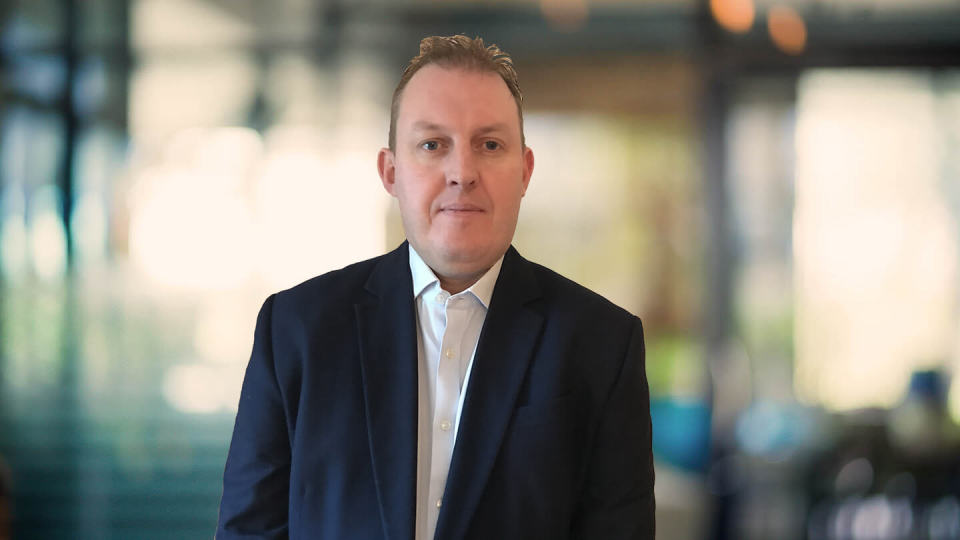
In the latest of our Meet the Lawyer series, we speak with Jon Rees, partner and head of the life-changing injuries team at Brethertons Solicitors, about his commitment to making a difference
Tell us about your experience to date
I started my legal career in 1996. I have always focused on helping injured people. For the last 12 years, my focus has been almost exclusively on helping spinal cord inured people and their families. With the help of my colleagues, in that time I have secured around £100million in compensation for people who have sustained life-changing injury.
I am a Fellow in the Association of Personal Injury Lawyers, recognised as a Notable Practitioner and a Leader in the Field in the national directories, and I was a short listed Solicitor of the Year finalist in a national awards scheme; but more importantly I have helped people establish financial security and enabled their independence where that was desperately needed.
What makes brain and spinal cord injury claims different to general personal injury claims?
In my experience, the difference is around choosing to make a claim for compensation and having to make a claim for compensation.
Genuine experience and expertise is essential for brain and spinal cord injury claims. Most brain and spine cases will involve needing to secure significant (sometimes six, usually seven and often eight figure) compensation sums; and marshalling numerous expert witnesses and often very complex (legally and medically) and vigorously contested causes of action.
How important is it to appoint a lawyer with specialism in brain and spinal injury claims?
It is vital. In the same way you would need a specialist surgeon to operate on your brain or spine; a specialist solicitor is vitally important for your brain or spinal cord injury case. The claim is just too important and too significant a part of the person’s life to choose someone having a go at what might be regarded as the legal equivalent of complex neurosurgery.
Can you share an example of a particularly challenging case you have worked on, and how you overcame these challenges, to secure a positive outcome for the client?
I have often reflected on this. The satisfaction of securing an eight figure settlement sum is not necessarily any different to securing a hard-fought smaller sum where in both cases the outcome will changes things for the client so far as the law enables it. Winning at trial or negotiating a settlement achieved after several years of litigation is satisfying, but often tempered by the frustration that it will have taken so long to get to that point.
I have taken particular satisfaction in helping clients who have suffered neurological problems that have been missed by those focused on other things in their treatment and then being in a position to ensuring their problem is treated where it hadn’t been previously – the bilateral tingling the client was experiencing in his limbs in addition to erectile disfunction problems he was being seen for wasn’t something to do with his age and everything to do with his fall from height some months earlier.
Can and should a client change their lawyer if they are not happy with how the case is progressing?
Yes and yes. I have helped several clients to secure better outcomes than it seems they would otherwise have achieved by staying with the solicitor originally retained, but the most notable was the client who thought to check whether the advice they were being given to settle their claim for what they thought was a significant sum. I was able to help that client settle their claim for a substantial sum that they desperately needed. That sum was 44 times more than the original solicitor had advised should be accepted.
What do you look for when appointing or working with members of an MDT?
Experience, expertise, engagement, and empathy. Plus good lines of communication and a commitment to meaningful collaboration in placing the interests of the injured person first. I often reflect with colleagues in different disciplines that we are each using our respective skills and experience to help the same person or group of people.
How vital a role can the right MDT play in a client’s outcome?
The right MDT team will make a huge difference to the client’s outcome. The layers of support around a client, and the co-ordination of the various people who will inevitably be involved in assisting the client in the aftermath of a life-changing injury have a huge influence and impact on how that person navigates their new normal.
I heard a spinal injury consultant put it very well recently when he said – patients don’t remember us for the papers we have written or the research we have undertaken. They remember how we make them feel. I think everyone involved in a patient’s care post life changing injury would identify with that sentiment. When things are set right there is a good chance, they will stay that way; when they are not it is virtually certain there will be issues that are avoidable and more difficult to navigate than they might otherwise have been.
Can you share a couple of your personal career highlights
I take satisfaction from using my skills and talents – my experience and expertise – to make a difference to people where I might be able to make a difference. I have successfully resolved really complex litigation with relatively modest compensation, and really high value compensation claims that were relatively straight forward – and all sorts of variations in between. But resolving a case that needed specialist experience and expertise and made a difference to the person who needed it to is always a highlight. It is what I enjoy most and provides the biggest motivation in my work.
I also regard our obligation to support anyone we can however we can as of paramount importance, and so I am particularly proud of our track record of supporting causes, projects and schemes that focus on meeting unmet needs. It is how we have come to help establish a peer support charity and community interest company; how we have come to support offsite rehabilitation projects that have been hugely successful, and why we have a number of really interesting opportunities we are exploring at the moment and by which we can really make a difference to people not just as specialist solicitors but as people who care about the community of people affected by life-changing injuries. It matters that we have earned the respect and recognition we have amongst others who help the same group of people but using their different talents and skills and working collaboratively to make things just a bit better for people who need it to be better is especially satisfying alongside all the other usual litigation highlights you might expect to read here.
Tell us a little about your life outside of work
My wife and I have busy jobs and three teenagers that take up most of our time. I like to spend time with family and friends; and to travel; and to try and stay relatively fit. I might have been a footballer in a different life, though now I am merely a casual observer; and in the event I do find the time, I am an avid reader of all sorts of things that capture my attention.