Charities play a cruicial role in supporting both people with brain injuries and their families.
In November, NR Times and category sponsor Burnetts Solicitors will celebrate the work of these vital organisations at our the second annual awards event.
You have until September 30 to get your nominations in for Charity of the Year.
Head over to the awards page to find out more.
As we count down to the awards, we shine a light on some of the incredible work helping to change lives and outcomes in 2024 and beyond.
New Oxfordshire Stroke Recovery Service means survivors ‘don’t feel alone’

A retired Oxfordshire GP has told how a new stroke recovery service in the county has played a huge role in helping rebuild her life after having a stroke at a New Year’s Eve party she was hosting.
Judith Graham said support from the Stroke Association meant she felt she wasn’t “alone with your stroke” when she went home after almost three months in hospital.
Judith had her stroke on New Year’s Eve 2022, nine months after retiring from The Key Medical Practice, Kidlington.
Her stroke has left her with difficulty walking, weakness in her right hand and reduced vision in her right eye.
“The support co-ordinator came out to see me which made the Stroke Association a very real thing. They were very pleasant and helpful, suggesting various things. I like the fact that they followed up with an email with summaries and information.
“It’s really important particularly for the elderly and socially isolated. I really felt that there was somewhere I could go. You’re not feeling alone with your stroke.
“It made a significant difference to me getting through the first few months.
“The biggest help was to know it was there. I felt someone could help me. When people spoke to me, they went away and did what they said they would do. For someone in my position it was very reassuring to have people to contact and know that you would get an answer.”
Judith was also linked up with other stroke survivors, online and on the phone, to share experiences and support each other.
In addition to this, she was matched with a stroke survivor in London for weekly chats on the phone through the charity’s Here for You service.
The Stroke Association’s Oxfordshire Recovery Service has now supported more than 800 stroke survivors and their families since it was launched in April last year with funding from the Buckinghamshire, Oxfordshire and Berkshire Integrated Care Board.
Exbibition showcases therapeutic art

The Brain Charity’s Art for Wellbeing group showcased their creations at Cass Art on School Lane in June.
Overseeing the project was Jens Welch, who has a passion for unlocking the therapeutic potential of artistic expression.
Through weekly gatherings, Jens guided participants in exploring the profound connection between art-making and mental wellbeing at The Brain Charity’s Norton Street centre.
The charity’s Art for Wellbeing group sessions are for anyone who is neurodivergent or living with a neurological condition.
The sessions aimed to support participants in developing a personalised creative wellbeing practice. No arts experience was necessary; attendees learned to respond instinctively, focusing on the process and their own thoughts, emotions, and experiences.
In these sessions, Jens supported each participant in reviewing and reflecting upon the work they produced.
The sessions required a level of commitment but were hugely rewarding, supporting participants’ capacity to develop a mindful, reflective approach, greater insight, and an individual creative toolbox. Members worked both independently and as a group.
Participants were welcome to attend with a support worker or a carer.
The exhibition wasn’t just about demonstrating great artwork; it was a testament to the transformative power of self-expression.
Jens said: “We weren’t setting goals here; success was self-defined. People left feeling lighter, more positive, having glimpsed new aspects of themselves.”
Charity launches grant scheme to support young brain injury survivors

Young brain injury survivors and their families can secure financial support to help with crucial aspects of rebuilding their lives through a new grant-making initiative from a specialist charity.
After Matters, a charity created to increase the support available to young people after brain injury, is offering survivors living in the Greater Manchester area assistance with meeting the costs of their rehabilitation and recovery.
The charity is offering grants of between £50 and £500 to people aged between 16 and 25 and their families, to help fund vital aspects of their lives, including therapy, equipment or vocational rehabilitation.
After Matters was created by the families of Matthew Hayden and Aidan Lees, who both suffered brain injuries as teenagers.
While the care they received in Salford Royal Hospital saved their lives and was hailed as “outstanding” by their families – who met when they were in neighbouring beds – after discharge they realised how little support existed.
In addition to grants, which are financed through fundraising, After Matters also provides emotional support to families who are dealing with the aftermath of brain injury, as well as signposting support and how to access it.
The new grant-making project was launched at an event in Manchester, attended by young survivors and their families, along with professionals working across the field of brain injury.
Maxine Hayden, Matthew’s mother and chair of After Matters, said: “We know from our own experience how difficult life can be after brain injury, and how difficult support can be to find, especially for young people.
“That is why we want to help families as much as we can with emotional support, signposting sources of help and with the launch of our grant programme, we can now provide access to financial support, to help with crucial elements of aiding recovery and vocational rehabilitation.
“Financing rehabilitation or even just adjusting to life can be very expensive for families – we know because we’ve been there – and we’re delighted we can now play a role in supporting families going through this journey.
Festival celebates children’s artistic passions

The Children’s Trust School was transformed into a vibrant hub of creativity and innovation for its annual art festival.
The 2024 event, themed ‘Spirals and Sparkles,’ was a magical and enchanting display that captivated children, parents, and art enthusiasts alike.
As attendees approached the school, they were greeted by a whimsical talking caterpillar, made from colourful helmets and setting a delightful tone for the day ahead.
The school ensured every child, regardless of ability, could participate and express their creativity.
Pouring art stations allowed children to create abstract pieces by tipping vibrant paints onto canvases. The spinning table art meant children could watch their creations transform into stunning works of art.
Adding to the hands-on experiences, children had the chance to make their own lava lamps.
This activity combined art with a bit of science, as the children watched the colours, glitter and bubbles in their custom-made lamps.
It was a delightful blend of creativity and curiosity, sparking wonder in every participant.
The sensory glow-in-the-dark room was another crowd favourite.
The room provided a multi-sensory experience that was both relaxing and stimulating with ultraviolet paints and neon glow sticks. It was a haven for children to explore and express themselves in a truly unique environment.
Beyond visual arts, the festival celebrated performing arts with drama, music, and drumming sessions. The music sessions, filled with rhythmic drumming, created a communal space where children could express themselves through sound and movement.
The Children’s Trust School Art Festival 2024 was a resounding success, bringing everyone together in celebration of creativity, inclusivity, and joy.
Parkinson’s UK invests £1.6m in development of potential new drugs to protect brain cells

Parkinson’s UK providing £1.6m through its Virtual Biotech programme to develop a potential new treatment targeting mitochondria to protect brain cells in Parkinson’s patients.
Parkinson’s UK is partnering with US company Lucy Therapeutics and the Michael J Fox Foundation to accelerate the development of new drugs targeting mitochondria, the tiny powerhouses inside our cells.
If this project is successful, the treatment will be ready to move towards clinical trials in people.
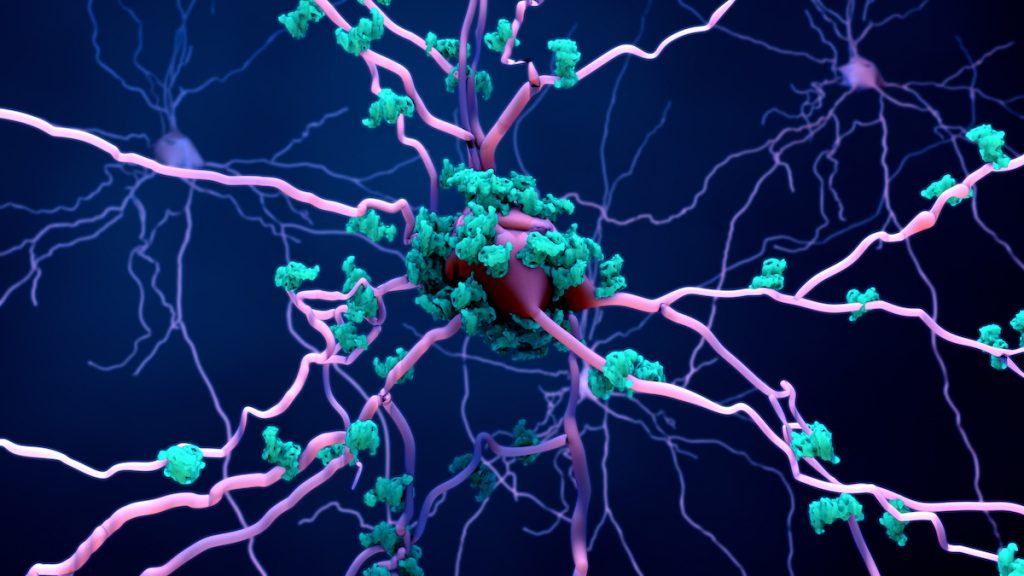
Mitochondria are the key to nearly every process inside cells, unlocking communication between cells, delivering the energy needed to live and directing cell growth and death.
Expertd know mitochondria become damaged in the dopamine-producing brain cells lost in Parkinson’s.
Cells with damaged mitochondria – especially brain cells – may not have enough energy to function properly, ultimately leading to cell death.
Drugs to repair mitochondria could save dying brain cells and stop the progression of Parkinson’s.
The team at Lucy Therapeutics has developed exciting molecules targeting a key protein within mitochondria.
Experiments show these molecules can improve mitochondrial function and prevent the death of brain cells.
Experiments suggest these molecules can reduce levels of alpha-synuclein, a protein that builds up in Parkinson’s and causes damage to dopamine-producing brain cells.
This new investment will help Lucy Therapeutics study their molecules’ ability to:
- reduce alpha-synuclein and other markers of Parkinson’s
- provide evidence of cell protection
- travel through the body to reach the brain
- not produce significant side effects.
Crucial next steps will focus on taking the best molecule into further testing to get closer to clinical trials.
Arthur Roach, Virtual Biotech Director at Parkinson’s UK, said:
“We are delighted to be working with Lucy Therapeutics to accelerate the development of an extremely promising new treatment for Parkinson’s.
“Mitochondria play a crucial role in the development of the condition, so fixing mitochondrial problems could have far-reaching benefits.
“We hope this collaboration will produce a new drug that can be rapidly moved forwards into clinical trials in people with the condition.”
Find out more about the NR Times Awards and enter for free here.