The 2024 What Matters report highlights the challenges people with spinal cord injury face in receiving physical and mental health support, as well as being able to independently access the world – all barriers to them being able to live the fulfilled life they deserve.
Here, three individuals who have sustained SCI, Dave Bracher, Dave Eastham and Gary Dawson – who now play vital roles in supporting others through the Spinal Injuries Association – and Richard Crabtree, principal lawyer and SCI specialist at Slater and Gordon, discuss the current situation.
For those who sustain a spinal cord injury (SCI), living life to the max is a priority. Rebuilding life after such traumatic and significant injury can be hugely challenging, but with access to the right rehabilitation and support, looking to the future with hope and confidence is regularly shown to be achievable.
However, the struggles many face in accessing the support to enable them to live their everyday lives persist – and, in some cases, increase.
For those needing access to NHS resources for physical health problems – with bowel management and pressure ulcers continuing to be highly under-resourced areas with a lack of specialist training – and mental health support, too often this is not forthcoming or people have no idea where to turn for help.
Accessibility in society, which enables people who are wheelchair users or with other mobility issues to retain their independence, is also still sadly lacking.
The What Matters report for 2024, from the Spinal Injuries Association (SIA), lays bare the scale of the challenges people with SCI face. The annual survey, which this year has heard from more than 900 people living with SCI and their families and friends, highlights concerns in key areas, which restrict their ability to rebuild and live their lives to the fullest.
Here, SIA staff who are themselves SCI and specialists in supporting the SCI community share their insight and experiences into the current situation – which the charity is committed to changing through its commitment to enabling everyone with spinal cord injury to live a fulfilled life.
Physical health
Complications arising from SCI can be very restrictive on a person’s life and ability to thrive. Bowel care and management, as well as pressure ulcers, are common concerns for those living with paralysis – but still the training and resources are not in place to give them the support they so badly need.
In the What Matters report, more than half of people said they are worried about their bowel management needs being unmet, particularly in general healthcare settings.
More than a third also felt they had had a pressure ulcer in the past year which was not diagnosed correctly.
The need for a more appropriate training resource for healthcare professionals in this area is a long-standing issue – yet still it remains something sadly lacking.
“The lack of understanding of the impact of presser ulcers on a person living with SCI is shocking,” says Gary Dawson.
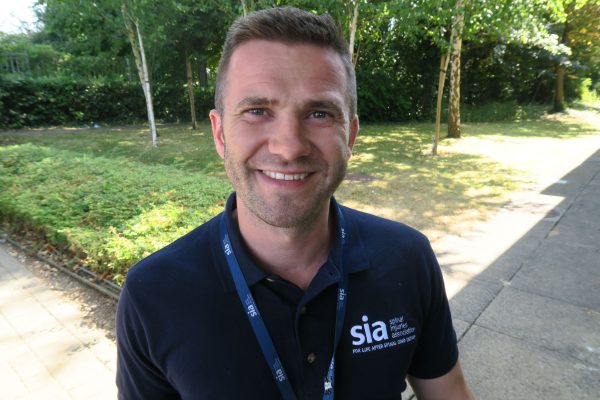
Gary Dawson
“Trying to get someone without specialist knowledge to understand the importance of not only managing pressure ulcers but, more importantly, preventing them in the first place is so hard. Just look at the care score chart for CHC. You have to have had a pressure sore previously to qualify for certain care. It should be put in place to prevent ever getting a sore in the first place!
“The complexity of managing SCI still seems to be an enigma outside of MTCs and SCICs. I do believe things have improved since I was injured however a lot more needs to be done. What needs to change is the culture around bowel and bladder management.
“The myths and legends of old are detrimental to the quality of care a person will receive.”
Latest figures show only one fifth of newly injured people are admitted to specialist residential rehabilitation centres that are equipped with expert clinicians to care for the complexity of spinal cord injury. The remainder are subject to inconsistent rehabilitation pathways that are too dependent on geography, socio-economic factors and overly diversified approaches.
Dave Bracher’s own experience highlights the need for change.
“When I was first injured in 2008, I acquired a pressure ulcer whilst in mainstream healthcare, and I’m not sure the system is much better now,” he says.
“I know lots of work has been done on this by the National Wound Care Strategy Programme, and SIA has actively supported this, but as with bowel management it seems to come down to individual healthcare professionals doing the ‘right’ thing, and much of this is driven by the culture on the ward and what they’re told they can and can’t do.
“It’s a lottery. There’s a real lack of knowledge and awareness about the practical implications of a spinal cord injury, and therefore limited or zero knowledge about how to support someone’s needs. This is why so many SCI people are scared at the prospect of needing to be admitted into mainstream healthcare.”
Richard Crabtree, who has specialised in serious injury for more than 30 years, has seen the increasing pressure on NHS resources as a significant factor for clients who are rebuilding their lives after SCI.
“For considerations like checking pressure ulcers, or particularly in accessing specific therapies, people with spinal injury are struggling to be seen in the timeframe they once would have been. It’s a real concern and in many cases we are not meeting their needs,” he says.

Richard Crabtree
“There is a huge problem in statutory services provision. Resources are stretched as we know, and with the ongoing impact of the backlog we saw during the COVID-19 pandemic, coupled with doctors’ strikes and huge pressure on resources, we are seeing a perfect storm which is creating new delays.
“This is the case across the NHS, and sadly it’s replicated throughout the country. Resources are not meeting the needs of those who badly need them. While clinical care is not totally absent for people with SCI, and those working in the NHS are of course doing their best, statutory services are hard pressed.”
Dave Eastham points to the fact that, for many people living with SCI, their situation is made more complex in mainstream healthcare if they do not have a specialist Emergency Care Plan (ECP) which Spinal Injuries Association can provide to explain the specialist care that should be carried out written by a SCI specialist clinician.
“I have had personal bad experiences going into my local hospital and healthcare professionals not understanding the importance of me being able to pressure relieve or bowel and bladder management as an SCI person,” he says.
“Now I have an ECP, and I feel much more confident if I was ever in the situation again.”
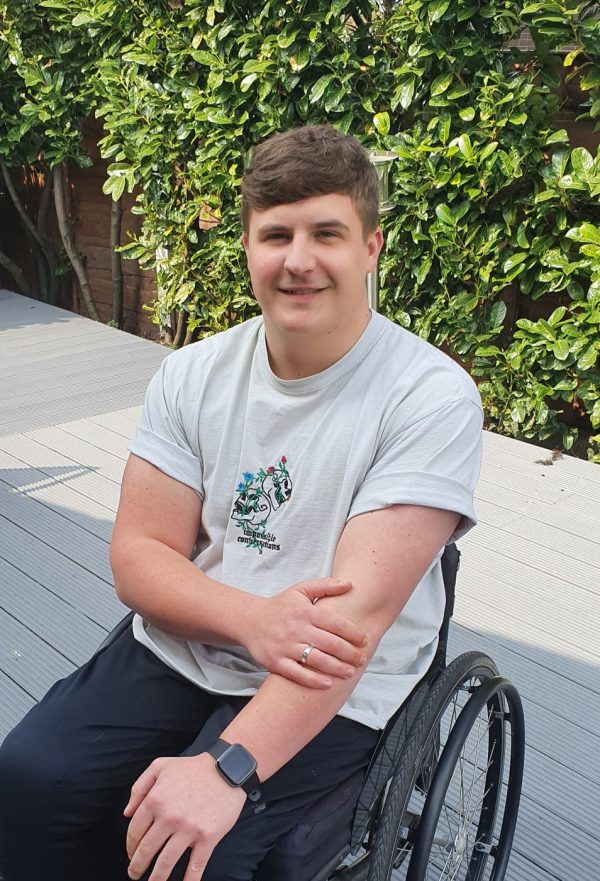
David Eastham
Mental health
Understandably, after such life-changing injury, mental health problems are common within the SCI community – for both people living with SCI and their families, as they adjust to the many challenges their lives bring after injury.
But despite this, still the appropriate levels of support are not in place for this specific group – almost 70 per cent of whom say they have experienced mental health challenges at some point. According to What Matters, over a third of them also confessed to having suicidal thoughts.
Although there is a high prevalence of mental health problems, the lack of access to counselling and therapists who understand SCI continues, which more than 75 per cent agreeing this is their experience of healthcare currently – a far greater proportion than a year ago.
While the SIA does have trained counsellors who themselves live with SCI, the demand for this service is reported to be “huge”.
Dave Eastham reports the lack of specialist knowledge and understanding within the NHS as an ongoing problem.
“The NHS should offer mental health support for those in a healthcare setting but once you are discharged and back home it is much more difficult to get this kind of support,” he says.
“You end up on a waiting list for months to see a generic counsellor who possibly has no understanding of what it’s like to live with a SCI and in my personal experience miss the mark and have a negative impact as you lose faith in this kind of service.
“I accessed counselling after discharge as I was struggling mentally to process how my life had changed so much after my SCI. The first session I had, the counsellor only wanted to discuss my childhood – however, when I was injured at 20 years old the injury was the catalyst for my poor mental health, yet we didn’t talk about it once. I didn’t go back for a second session because I felt they just didn’t get it.”
Dave Bracher says that while he received “fantastic” support while he was in a Spinal Centre, not all Spinal Centres receive funding for mental health support – and the majority of people with a SCI are not admitted to a specialist Spinal Centre at all for rehabilitation.
“In the community, the mental health provision is even worse – another postcode lottery, but with even less funding,” he reports.
“The best support I’ve had was from people who also had a SCI and so we could immediately relate to each other. That practical experience of the range and impact of a SCI makes all the difference, but the chances of finding that as an outpatient in the NHS is virtually zero.”
Richard Crabtree also points to the difficulties in negotiating the healthcare system in accessing the necessary support.
“It can be a real challenge to navigate the crossover between mainstream NHS services for general healthcare into specific mental health services, ,” he says.
“I currently have a client with extremely complex needs, including addiction, and enabling him to access the right support across the different statutory services is very difficult.
“There is great pressure on these resources anyway – but trying to find your way to what you need, particularly when you may need the support of several services, is really hard.”
Accessibility
For people with SCI, preserving and maximising independence is a key factor in enabling them to live the lives they want.
But still the problems persist in them being able to negotiate the world and achieve tasks such as using public transport and being able to participate in hobbies and activities.
More than 90 per cent of people said public transport is difficult to access, What Matters reveals, and a similar number say that being able to take part in hobbies is also a challenge.
While progress is being made, Dave Bracher highlights the challenges that still persist.
“There are so many basic elements that need to change – for example, why isn’t it mandatory for all shops to be accessible? Why should I as someone living with a SCI have to threaten, or actually take someone to court, to get access to their premises and spend my money?,” he says.
“I’ve been to some places, including historic buildings and museums, which have obviously really made an effort to make themselves accessible, and that’s fantastic, but it should be the norm not the exception.”
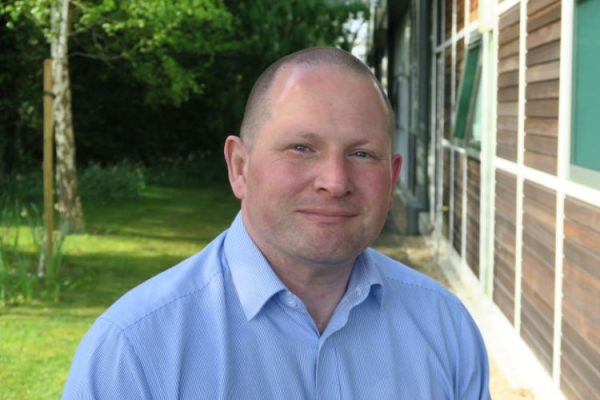
Dave Bracher
Richard Crabtree agrees, and points to everyday issues that pose great risk to those with paralysis.
“We find in many towns and cities that supposed improvements and upgrades to the roads and pavements aren’t always done with people with disabilities in mind.
While this will be well-meaning, the lack of planning or thought behind it is worrying,” says Richard.
“We still see big problems in accessibility, even in our biggest cities. For those who are able to travel independently, this is fraught with risk. You’ll see people in wheelchairs having to cross busy lanes of traffic, then busy lanes of cyclists, just to get to the bus stop they need. This can be difficult to navigate, extremely dangerous, and not in the interests of wheelchair users at all.
“At my local railway station, for example, the lift has been out of service for months. Even with prior planning of your route and your journey, the best laid plans can go awry, and there’s a risk a wheelchair user may be stranded but for the goodwill and kindness of strangers.
“While yes, it’s possible to call ahead and book assistance, that is a lot of time and effort that needs to go into one journey – is that good enough in this day and age? I feel we really should be doing better.”
More needs to be done to enable people to live their lives, says Gary Dawson.
“The world will never be 100 per cent accessible, nor do I want to see castles and other listed buildings destroyed for the sake of access. However, public transport, airplanes, shops, bars, restaurants, sports facilities etc, could all be made to be more inclusive,” he says.
“It is good that all new buildings are being created with better access in mind. We just need to see more renovated infrastructure to accommodate as many disabilities as possible.”
The need for change
The annual What Matters report helps to highlight the areas in which progress is being made – but what more must be done to help people with SCI and their families live the fulfilled lives they deserve.
As well as provision and accessibility – the situation around which is laid bare again this year – attitudes and specialist understanding of SCI and the specific needs of people living with paralysis are further essential changes, says Dave Bracher.
“What needs to change? Knowledge, attitude and skills would be a good start,” he says.
“The best care I’ve ever had when being readmitted was when I was having my gall bladder removed, and it turned out the main nurse looking after me had once worked in a Spinal Centre. When she rang me a few days before I went in, it was to ask me what I needed and what would make my stay more comfortable.
“She understood I had particular needs, for example skin care, and had already arrange for me to have a pressure relieving mattress. The best thing about all of this was it made the concept of ‘person-centred care’ a reality, and that she LISTENED! I felt heard, supported and consequently I had no concerns on the day of my admission and the whole experience was smooth and hassle-free.
“Nobody knows my condition and needs better than me, but more often than not the healthcare professionals I’ve experienced haven’t been willing to do what this nurse did so brilliantly and just listen to me explain what I need.”
As well as supporting the provision of better NHS resources, the new Government could also play a vital role in championing disability, says Gary Dawson.
“I’d love to see them make disability access a key priority and really try and move the dial on attitudes and practical application, but to be honest I’m not optimistic,” he says.
“It’s never going to be perfect, but I don’t think there should be excuses when it comes to public areas, town centres, public transport, restaurants, shops etc.”
Richard Crabtree points to the role of the SIA in making positive change – and how, through campaigning and advocacy, we can all make a difference.
“The SIA do absolutely amazing work, we’re really proud to work alongside them and support them in every way we can. The impact they have on the lives of our clients during the most awful times imaginable is incredible – genuinely, they are fantastic,” he says.
“They have shown the power of what is possible and change is being made all the time. Yes, we know there’s still a long way to go, and this report has shown again that in 2024, we’re still a long way from where we need to be.
“We’ll continue to support the SIA and the brilliant work they do, and will continue to do all we can to support our clients and the wider SCI community in living their best lives and looking to the future.”
Find out more about Slater and Gordon at slatergordon.co.uk