Ambulance delays mustn’t stop stroke patients from getting lifechanging treatments this winter, charity says
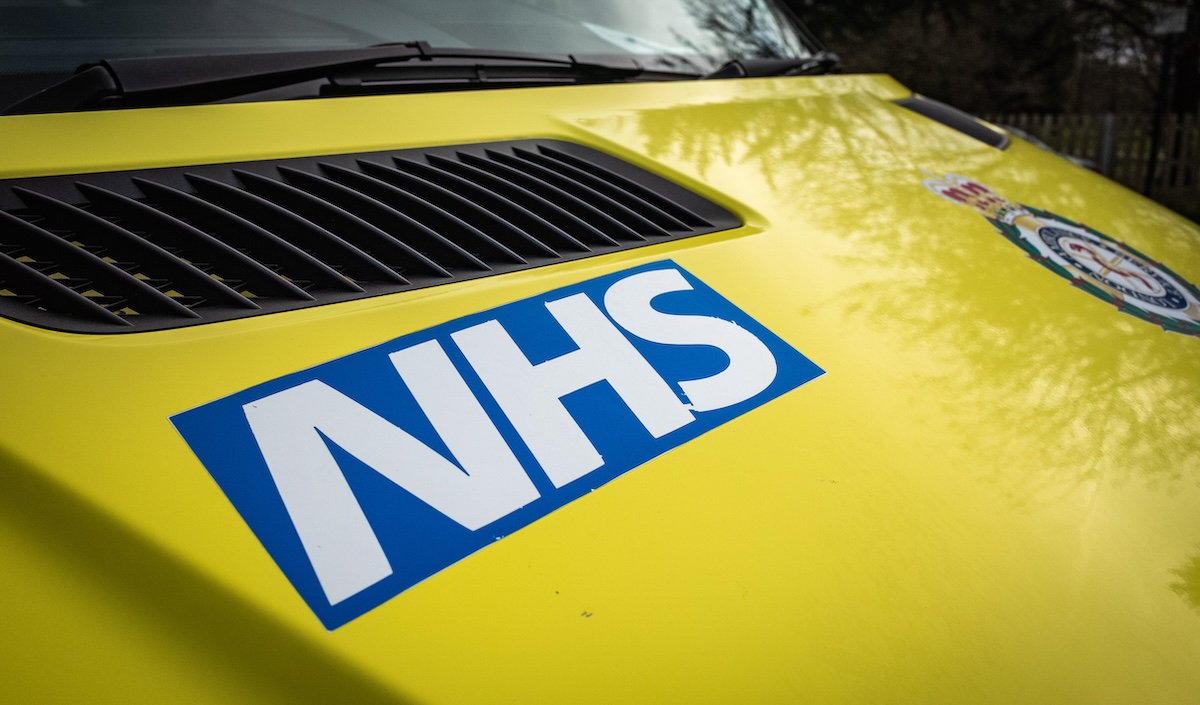
Stroke patients need timely access to vital and lifechanging treatments despite the expected difficulties the winter months will bring for the NHS, charity the Stroke Association has said.
Today’s NHS England data shows that November’s average response time for category 2 ambulance calls, which includes stroke, was 42 minutes and 26 seconds – the longest so far this year.
In October, the average response time was 42 minutes and 15 seconds, up from 36 minutes and 2 seconds in September.
This is against a national target of 30 minutes.
NHS England data also shows that over the last five years (2018/19 – 2023/24), ambulance response times between November and February have been on average 17.1 per cent longer than between May and August.
Juliet Bouverie OBE, Chief Executive at the Stroke Association, said: “Far too many stroke patients are left with no option but to sit and watch the time tick by as they wait for life-saving treatment.
“The Stroke Association supports thousands of stroke survivors who are often left unable to walk, talk or even see, which could have been avoided if the right treatments were available at the right time.”
Stroke is the fourth leading cause of death in the UK.
Speedy treatment of stroke is crucial as 1.9 million brain cells die every minute that a stroke is left untreated, increasing the risk of serious long-term disability and death.
Its main treatments – thrombectomy and thrombolysis – are most effective within hours of the onset of stroke.

Although the stroke community has improved the use of thrombectomy treatment – from less than 1 per cent in 2015/16 when such data was first collated – recent data from the Sentinel Stroke National Audit Programme (SSNAP) shows that 3.9 per cent of stroke patients had a thrombectomy last year, against the NHS England’s target of 10 per cent by 2027/28.
The Stroke Association is warning that the expected pressure the NHS will experience in the winter months could prevent even more people from getting this treatment which can make the difference between a stroke survivor leaving hospital walking, in a wheelchair due to mobility issues or even saving their life.
This week, NHS leaders and Secretary of State for Health and Social Care Wes Streeting have been discussing the importance of prioritising patient safety by getting patients out of ambulances and into hospital beds quickly and efficiently as the NHS faces record pressure on its services already this season.
This also follows findings from Lord Darzi’s recent report on how long delays for vital NHS services are contributing to unnecessary deaths.
Bouverie said: “We recognise that ambulance services and the whole NHS workforce are under intense pressure during the winter months, and we welcome their hard work and dedication.
“Despite their best efforts, long waits have sadly become a hallmark of emergency care.
“The Government must urgently get a grip on this crisis now with additional funding for stroke care to speed up time from suspected stroke to treatment.
“This also needs to be a fundamental part of the 10 Year Health Plan, to make the NHS fit for the future and help the stroke patients who have waited long enough already.”