



Interview: NR Times Neuro Rehab Innovation of the Year winner, the Rehabilitation Partnership
NR Times speaks to Rebecca Hey, brain injury case manager and director at The Rehabilitation Partnership, which won the NR Times Neuro Rehab Innovation of the Year Award, sponsored by Slater and Gordon, for its pre-vocational skills pilot project.
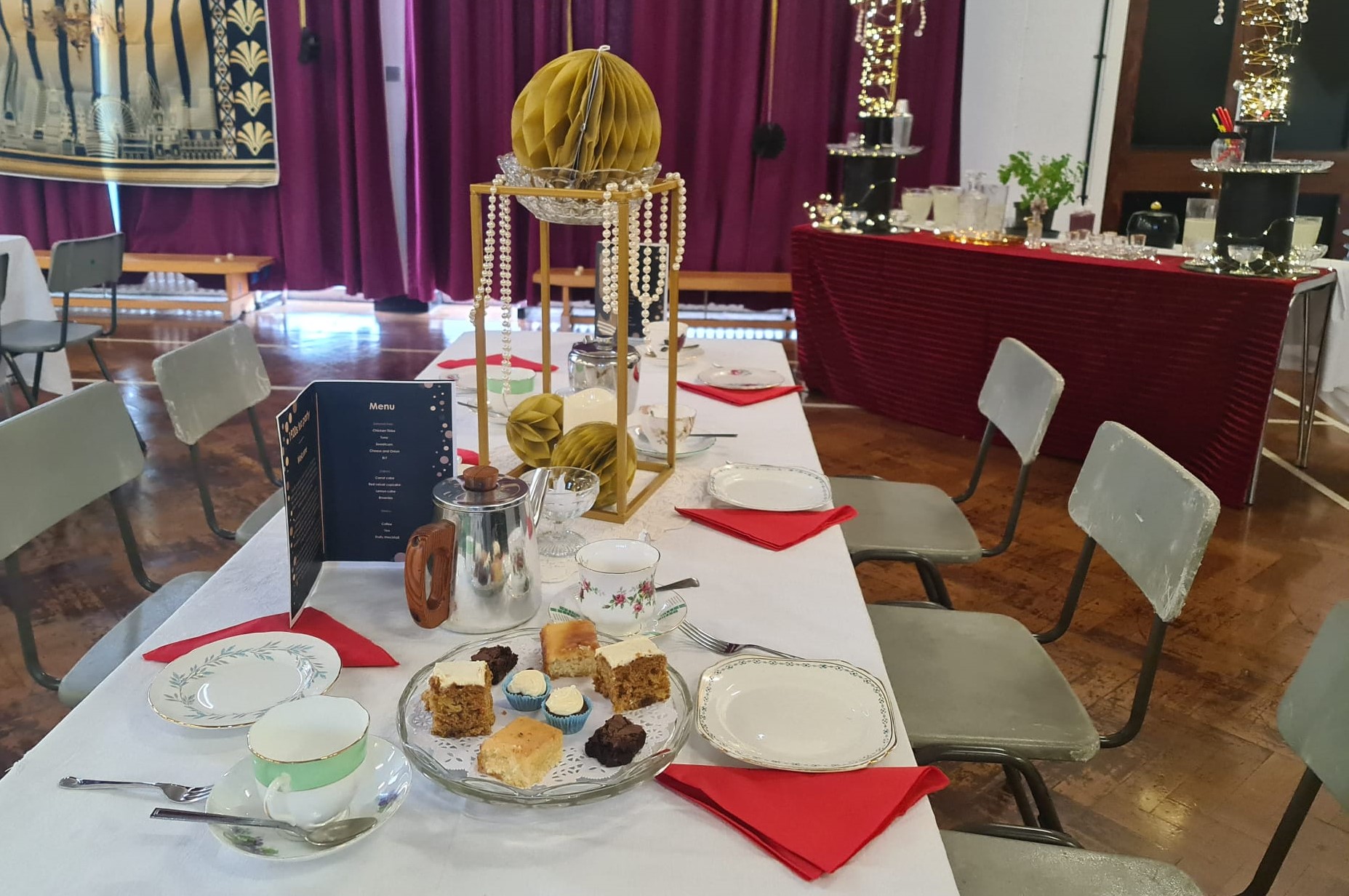
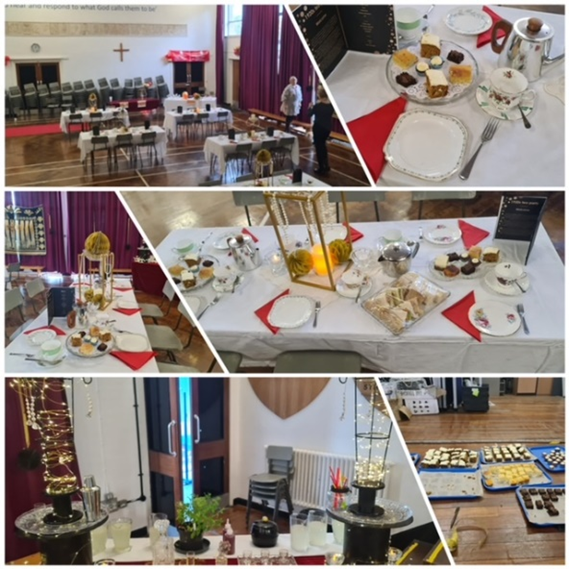
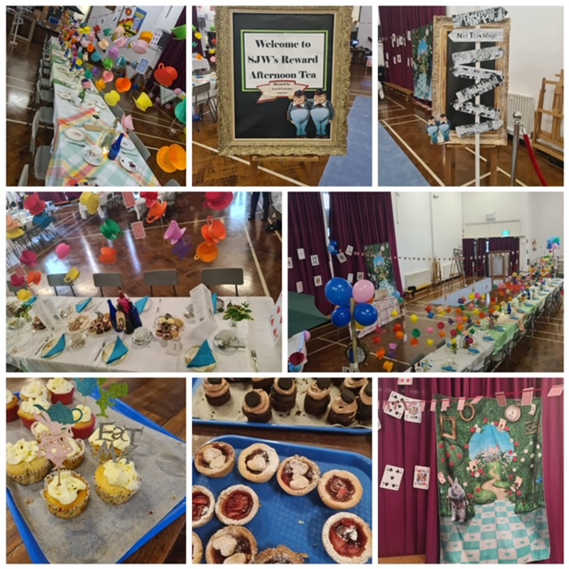
The Rehabilitation Partnership (TRP) won the NR Times Neuro Rehab Innovation of the Year Award 2024, sponsored by Slater and Gordon, for its ‘Marvellous Vintage Tea Party’; a project aimed at providing students with a vocational educational experience and the opportunity to gain skills for future employment.
The inspiration for the project formed during Covid-19 when TRP was working with a client who had gaps in learning and interpersonal skills following lockdowns.
The team worked with 27 disadvantaged students over nine weeks to plan and organise a charity vintage tea party, equipping students with finance, catering, marketing, communication, interpersonal and entrepreneurial skills, and helping to support their wellbeing.
As part of the project, TRP used therapeutic techniques, educational and real-world opportunities to incorporate all of the skills into the project, and provided interview practice along with awards for their work.
“For us, it’s about recognising the importance of rehabilitation and taking real-life problems to find ways to make a difference. It wasn’t just TRP that made this happen, a huge amount of credit goes to the students and the school for letting us in and allowing us to try something a little unconventional,” Hey said.
“Many people gave up their time for free, like the employers who came in to do interviews, which made a massive difference for the students. They got real-world experience rather than just classroom-based learning.
“A mother of a young woman with special educational needs even came in to help with interviews and support the project. It was truly a network of people who wanted to help these young people, many of whom were very disadvantaged.
“These students had such a hard time during Covid. They missed their final year of primary school, lost out on the transition to secondary school, and then had a disrupted first year due to lockdowns.
“On top of that, they faced huge socio-economic challenges in an area with a lot of domestic violence, immigration issues, and where most kids didn’t speak English as their first language.
“Originally, we planned to work with 12 students, but it grew to 27. That meant doubling the time my team and I volunteered for free, and it was a real challenge. But it was also the most rewarding project of my life.”
Hey highlights that the students had a range of challenges such as low self-esteem, anxiety, behavioural, attentional, and learning difficulties.
“The way they settled disputes was often through physical altercations, which really highlighted the challenges within this school. This is a school where they only have four lessons a day because too much movement causes significant issues. Each lesson lasts an hour and 15 minutes, which is incredibly tough for students with ADHD and conduct issues,” said Hey.
“This is also a school where items like pens and sharpeners are banned because the blades could be misused. That’s the level of difficulty we were working with. But I thought, if we can make this project work in this environment, then we can adapt it to work anywhere.
“This allowed the students to be an active participant in what’s happening in their lives, rather than sitting there and being told what to do and just being expected to follow orders – to not, co-create what is happening. This aimed to give them a sense of autonomy, and put a bit of power in their hands.”
TRP hopes the project can be rolled out in other schools, rehabilitation units and young offender units across the UK as a template for supporting young people’s mental health and skill acquisition.
Hey said: “That’s the hope and aspiration: to roll it out to other schools, young offenders’ institutes, mental health units, or any setting where it could make a difference. It doesn’t have to be a vintage tea party, it could be street food or anything else. The Tea Party was simply a novel concept for this group.
“I’m hoping this can open up and that people might come forward and borrow the template for the project because we can make a difference with it. It’s real practical skills – it’s real life. They can relate to that so much easier than just words on a board.”
Hey will be holding a webinar on the project with the Case Management Society in April that will be open to the public and anyone interested in learning more.


