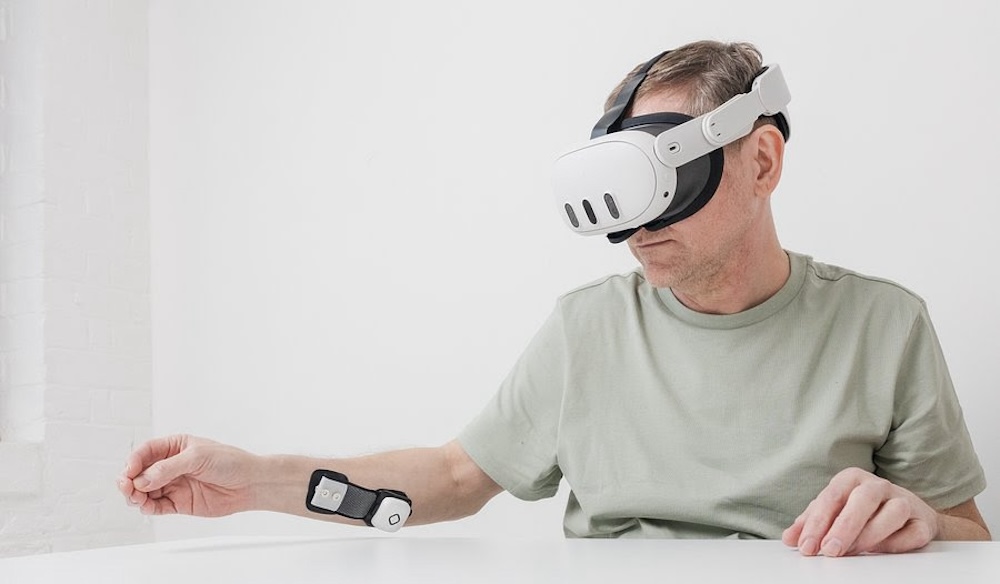
In groundbreaking new research, a novel brain scanning technology has created ‘neural fingerprints’ that could transform diagnosis of neurological conditions such as dementia and Alzheimer’s Disease.
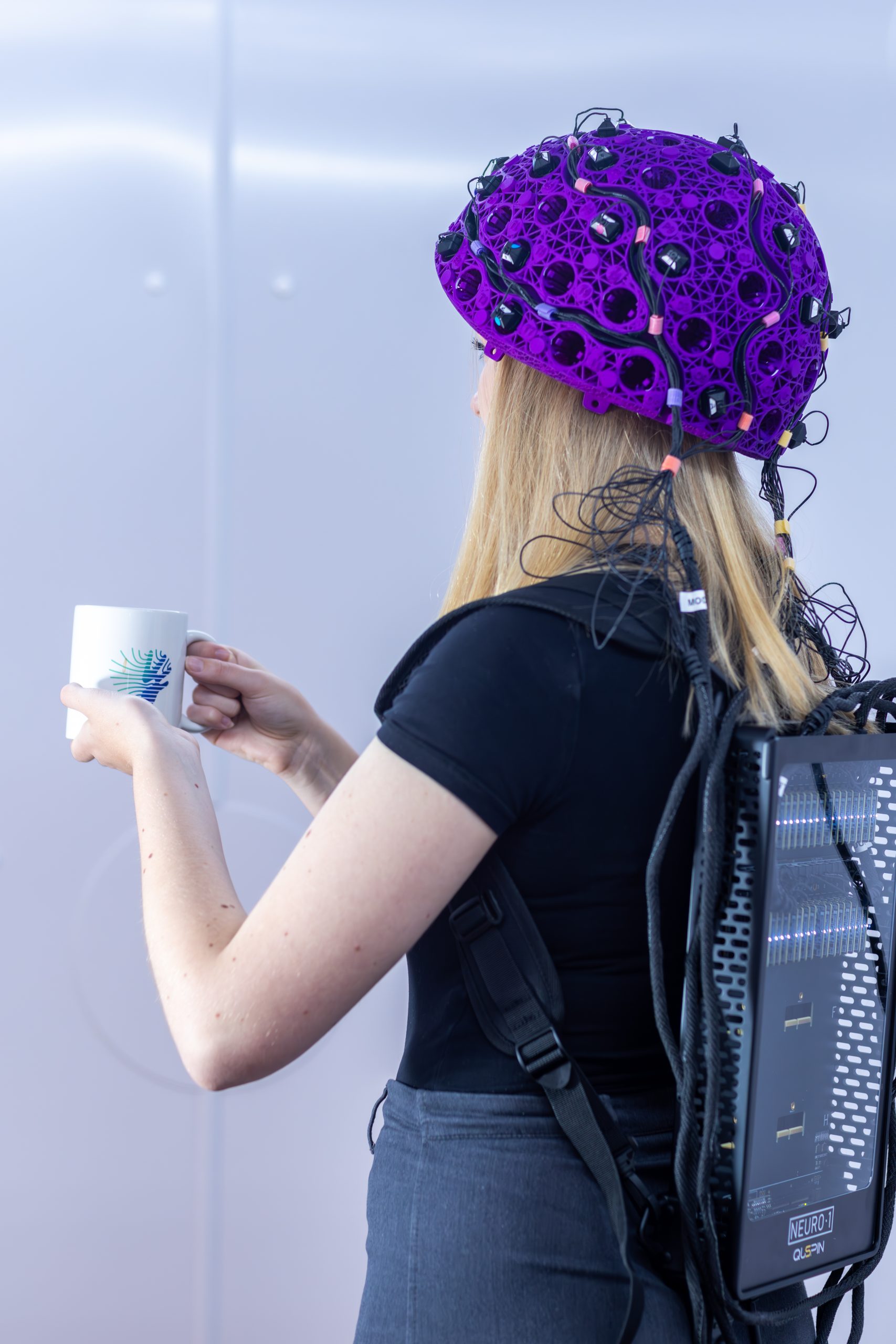
The study was carried out by Cerca Magnetics Limited, a spinout company from the University of Nottingham where MRI was invented. Cerca Magnetics has developed a lightweight wearable brain scanner that tracks brain function and how it changes over time to support cognition
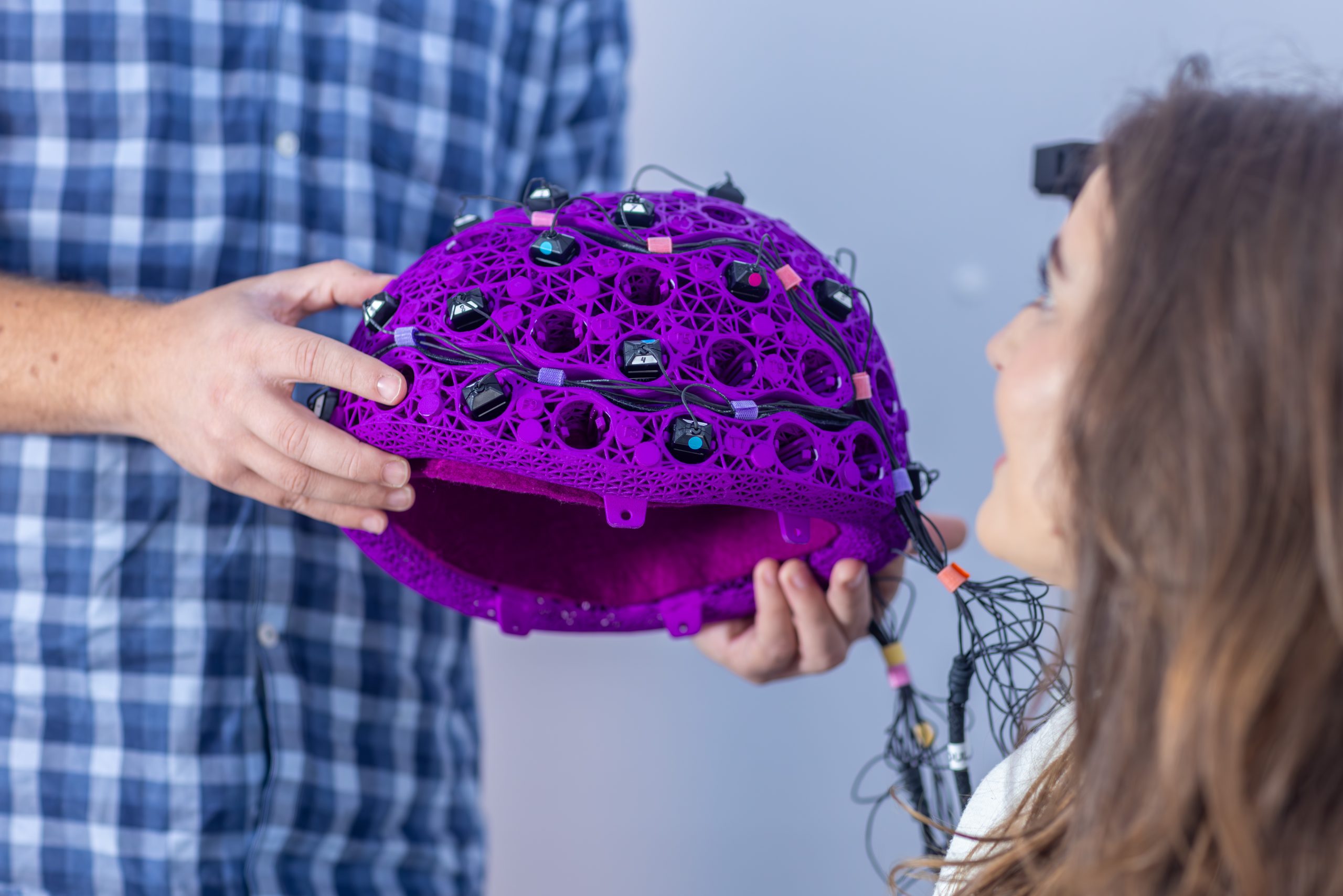
The scanner uses sensors called optically pumped magnetometers (OPMs). These exploit the quantum properties of atoms to measure minute magnetic fields generated by the millions of brain cells that coordinate brain activity. The cells control our actions and thoughts.
Dr. Elena Boto, Chief Technology Officer at Cerca Magnetics and senior author of the study, said: “The ability to detect subtle changes in neural fingerprints could be transformative for early diagnosis of conditions such as dementia, enabling timely interventions that potentially delay the onset of symptoms.”
Cerca Magnetics Ltd. Photography by Alex Wilkinson Media
It is possible to achieve similar insight using conventional magnetoencephalography (MEG) scanners, however, these are only available in a handful of research institutions worldwide.
The Cerca scanner – known as “OPM-MEG” is the first practical way for this to be widely deployed.
In the study, published in Imaging Neuroscience, the Cerca Magnetics team successfully identified each individual based on their brain activity extracted from a previous scan, underscoring the potential to capture distinct neural signatures.
OPM-MEG gives a cost-effective insight into brain activity, capturing both healthy and pathological states.
Zoe Tanner, lead author of the study, said: “Tracking our neural fingerprints will allow us to spot changes in the way our brain functions, particularly as we get older. This could then provide an early warning of disorders.”
“The findings also show that our quantum-enabled system captures the same fingerprints as existing, generally unavailable and impractical technology. This is hugely beneficial for vulnerable groups, such as children and patients with existing neurological conditions.”
Conventional scanner neural ‘fingerprinting’ requires participants to remain very still for long periods, limiting their use, however, the helmet device is a lightweight, helmet-like scanner that permits free movement.
Cerca Magnetics Ltd. Photography by Alex Wilkinson Media