Facing a criminal charge is daunting for anyone, but for individuals living with a brain injury, the challenges can be particularly complex. Memory issues, difficulty concentrating, and impulsivity can all affect how a case unfolds. If you or someone you know is based in Dorset, and is dealing with criminal proceedings, it’s worth seeking help from criminal law solicitors Bournemouth.
This guide explores how to navigate criminal defence effectively while ensuring that cognitive and emotional needs are respected throughout the process.
Image credit: Unsplash
Understanding the Link Between Brain Injury and Criminal Behaviour
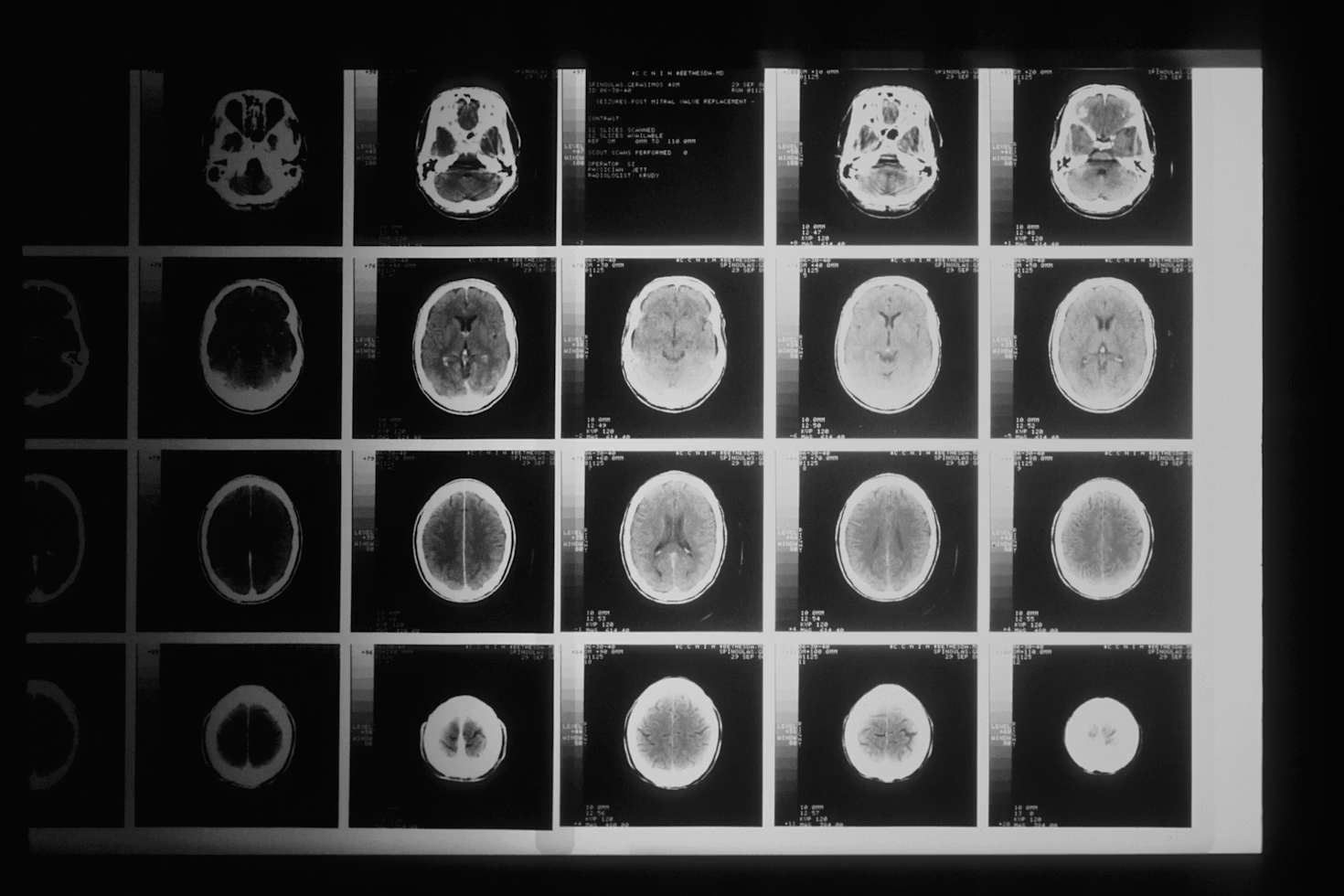
Brain injuries can sometimes lead to behavioural changes that increase vulnerability to criminal accusations. Impulsivity, reduced emotional control, or impaired decision-making are common after head trauma, particularly where the frontal lobe is affected.
According to the Headway charity, as many as 60% of people in UK prisons have experienced a brain injury. This highlights how important it is for solicitors, judges, and medical professionals to recognise when behaviour stems from neurological injury rather than intentional wrongdoing.
A specialist criminal defence solicitor can help ensure that your injury and its effects are fully understood and presented fairly in court.
Why Disclosure Matters
One of the most important steps in your defence is disclosing your brain injury to your solicitor as early as possible. This allows them to:
- Request medical records and assessments.
- Obtain expert neurological or psychiatric reports.
- Ensure questioning and interviews are conducted appropriately.
Failure to disclose could mean your symptoms are misunderstood as evasiveness or aggression. With full disclosure, your solicitor can tailor their approach and advocate for accommodations that make the process fairer.
The NHS guidance on brain injury recovery outlines common symptoms and the long-term effects that may impact communication or behaviour.
Communication and the Courtroom
Individuals with brain injuries may struggle to understand complex legal language or recall events accurately. This can affect testimony or police interviews. A good solicitor will work with medical experts and communication specialists to ensure:
- Questions are phrased clearly and at an appropriate pace.
- Breaks are provided during lengthy proceedings.
- Any confusion or inconsistency is properly explained to the court.
Highlighting your condition early helps the legal process remain fair and respectful.
The Role of Expert Evidence
Medical experts play a crucial role in linking brain injury symptoms to the alleged behaviour. Neurologists, neuropsychologists, or occupational therapists can provide detailed reports on how your condition affects judgement, impulse control, and comprehension.
This evidence can influence sentencing, mitigation, or even the verdict itself. For example, demonstrating that an offence occurred during a period of cognitive confusion can lead to alternative outcomes such as rehabilitation or community orders instead of imprisonment.
Access to Support During Proceedings
Navigating the justice system with a brain injury can feel overwhelming. Fortunately, there are support options available:
- Intermediaries can assist during police interviews or court appearances by helping you understand and respond appropriately.
- Appropriate Adults can accompany you during interviews if you have cognitive impairments.
- Charity and rehabilitation organisations can offer emotional and practical guidance throughout the process.
Your solicitor can arrange these services and ensure your needs are fully represented.
The Importance of Rehabilitation Over Punishment
For many defendants with brain injuries, rehabilitation rather than punishment is the most effective path forward. Judges can be open to alternative sentencing options when medical evidence shows that neurological factors contributed to the offence.
Rehabilitation might include therapy, cognitive behavioural support, or structured community programmes designed to reduce the risk of reoffending.
This approach prioritises long-term wellbeing and reintegration rather than focusing solely on penalty.
How Solicitors Protect Your Rights
A solicitor experienced in both criminal defence and neurological cases can ensure that:
- You are treated fairly at every stage of the process.
- Medical evidence is obtained and properly presented.
- Interviews and court appearances are conducted in line with your cognitive needs.
- The court understands the context behind your behaviour.
They will also liaise with healthcare providers and family members to build a comprehensive picture of your circumstances.
Building a Strong, Compassionate Defence
If you have a brain injury, you deserve representation that goes beyond standard legal advice. Compassionate, informed defence work recognises that justice is not just about guilt or innocence — it’s about fairness and understanding.
With the right support, you can navigate proceedings with dignity and clarity, ensuring that your voice is heard and your condition fully understood.
Legal Disclaimer
This article is for general information purposes only and does not constitute legal or medical advice. Criminal defence cases involving brain injuries require tailored support. Always seek guidance from a qualified solicitor and medical professional who can provide advice based on your individual circumstances.