


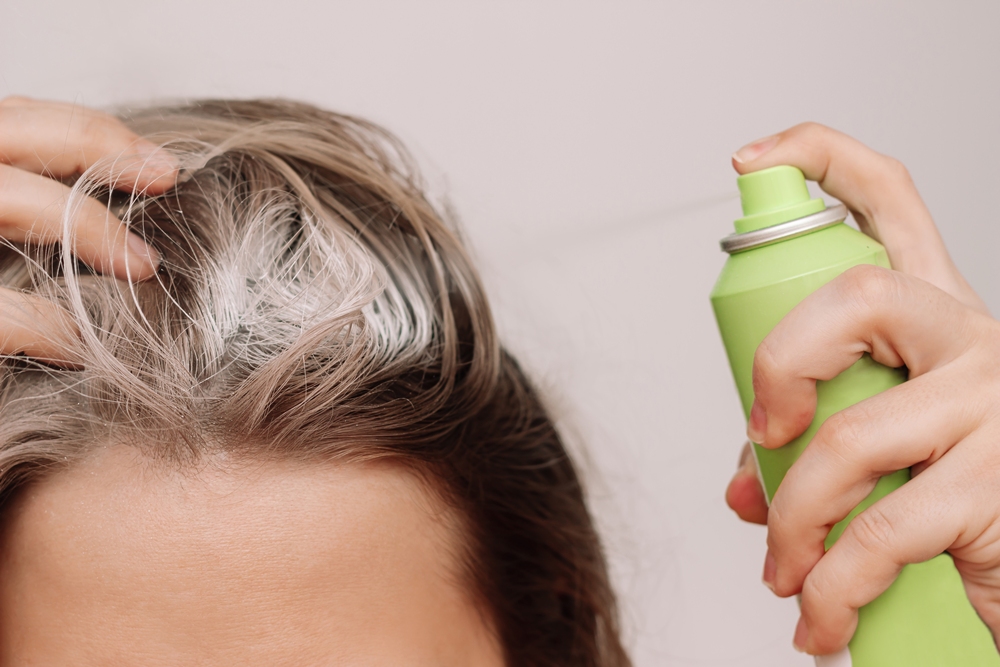
Everyone knows the real dilemma: makeup or washing your hair – and makeup wins every time. Volume makes you look put-together and tidy, and no other haircare tips can fake it. Keeping that effect without daily washing stays tricky – and that’s exactly where dry shampoo steps in. It promises control when everything else feels rushed. Then reality kicks in: flat volume, tight scalp, hair that looks tired before noon. Familiar scenario? The issue rarely lives inside the formula – it shows up in how you use it.
Smart Techniques for Safe Dry Shampoo Use
Dry shampoos do not save bad hair days; they prevent them. Used early and thoughtfully, it keeps structure intact and volume alive. The product rewards patience and punishes haste without warning. Treat dry shampoos as a quiet preventative step, and everything that follows falls into place. Keep these rules in mind:
- Use it before oil takes over. Apply the product at the first hint of shine to absorb sebum early and as a quick hair refresh.
- Keep it at the roots. Focus the application on the scalp, since lengths require moisture rather than oil absorption.
- Work in small sections. Parting allows even distribution and prevents chalky concentration.
- Pause before touching. Giving the formula time improves absorption and avoids spreading residue.
- Massage, then brush through. Fingers loosen excess product, while brushing restores softness and movement.
- Avoid endless repeat days. Consecutive overuse shifts freshness into irritation and buildup.
- Used correctly, dry shampoo disappears into your routine. Hair feels refreshed, not disguised.
This product stands apart from most oily hair solutions thanks to its simplicity and compact format. Keep it in your bag, use it on the go, and refresh your look within seconds. This technique helps extend freshness for several days without extra effort.
Choosing Dry Shampoos That Respect Hair Health
Take a closer look at the label and relax. The ingredient doing the heavy lifting here is not some aggressive chemical, but plain starch. Rice, corn, or tapioca powders soak up sebum and lift oil from the scalp with quiet efficiency. This process leaves fibres untouched and strands perfectly safe. Problems begin when the balance tips. Overuse or harsh supporting ingredients in dry shampoo turn absorption into dehydration. These factors make the difference:
- Starch concentration. High levels absorb oil quickly but pull moisture from the scalp just as fast.
- Supporting ingredients. Alcohols and strong fragrances intensify dryness and irritation over time.
- Scalp sensitivity. Reactive skin responds faster to buildup, even with moderate use.
- Application frequency. Daily layering compounds dryness instead of restoring balance.
- Removal quality. Residue that lingers increases friction and dulls texture.
Starch never plays the villain on its own. Misuse hands it that role. When you respect limits, dry shampoo stays helpful and invisible. Push it too far, and the scalp speaks up first – tightness, itch, flakes. With the right formula and a lighter hand, dry shampoo remains what it should be: a reliable backup, not a silent stressor. Browse our best solutions and pick the bottle that works best for your scalp type on MAKEUP: we guarantee fast delivery, a wide choice, and convenient packaging.


