By Alison Hipkiss, Lead Neuro Occupational Therapist, Cognivate Rehab Ltd.
What we do is one of the most powerful ways we express who we are.
Our occupations – the everyday activities that bring purpose and meaning to our lives – play a central role in shaping our identity. Identity involves how we see ourselves and how we think we are perceived by others.
After a brain injury, people may experience a sense of loss as they struggle to engage in previously valued activities or be forced to do them differently.
As a result, their sense of identity may feel uncertain and disrupted.
For those living with a brain injury, engaging with meaningful occupation can help with rebuilding a sense of self and belonging, reconnecting with what matters to them, and having the opportunity to experience competence and achievement.
Our sense of identity is dynamic, evolving over time in response to changing life experiences. A brain injury represents a sudden and often profound life transition that can disrupt a person’s identity.
When people are no longer able to do the things that are important to them or in the way they once did, it can present a threat to their sense of self.
Changes in daily routines and relationships can also have an impact on how a person perceives themselves and their life roles.
For instance, a person who previously spent most of their time working may now be on sick leave or have left employment altogether.
This shift can lead to increased time at home, greater reliance on family or formal support and more frequent interaction with health and medical professionals.
Understanding the depth of loss that can accompany these changes is essential in supporting individuals to adapt to a new sense of self and help explain behaviours that might otherwise be misunderstood.
For example, understanding why a client may withdraw socially, limit their interactions, feel reluctant to return to previously valued occupations or engage with new ones.
Engaging in meaningful occupation offers powerful opportunities to help people create, maintain and rebuild their identities following brain injury.
A key step in the initial stages of this process is understanding what truly matters to a person and why.
For one person, this may be the way they want to parent their children; for another, socialising, exercising, returning to work or engaging in creative pursuits.
Equally important for the interdisciplinary team is gaining an understanding of who the person was before the injury while remaining attentive to signs of grief and the challenges of adjusting to identity change.
Who is the person now compared to who they were before the brain injury?
How have their roles changed since the brain injury? Are they doing things that are important to them now? If not, why not and how do they feel about this?
Facilitating participation in valued activities and developing meaningful social connection is central to rebuilding identity, building confidence and fostering a renewed sense of purpose.
For some, this may involve returning to an occupation in an adapted way such as returning to work on a reduced schedule or in a modified role.
For others, it may mean gradually re-engaging socially such as reconnecting with friends in more manageable ways or joining a community group or a volunteering role that reflects their interests.
Supporting individuals to feel competent in their activities is also critical to rebuilding identity.
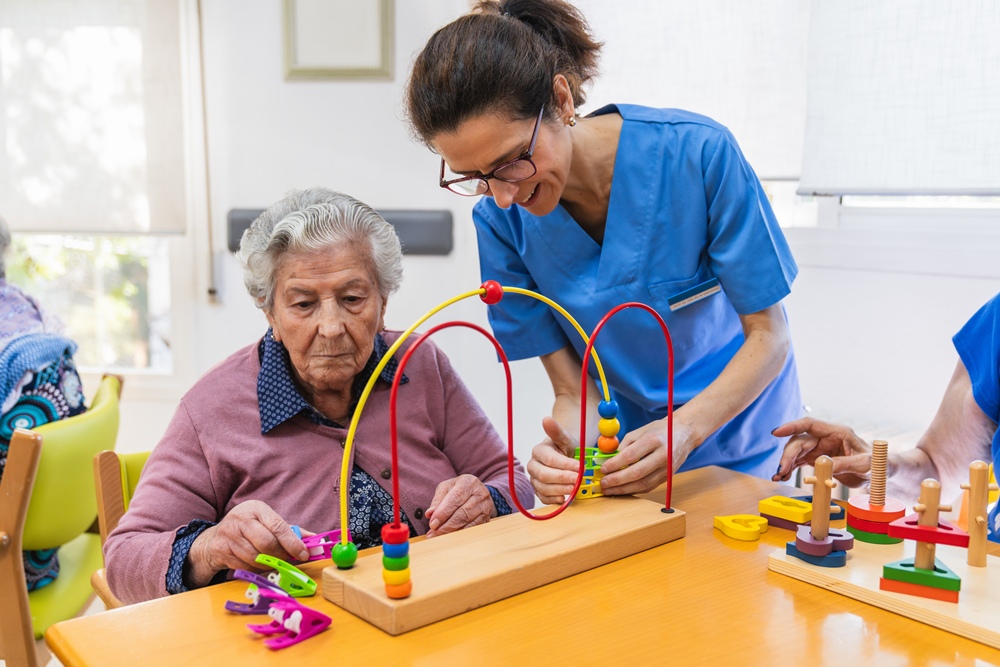
Occupational therapists play a key role in assessing a person’s abilities and are uniquely positioned to adapt tasks and environments so that people can successfully engage in meaningful and value-driven occupations.
In some cases, exploring new occupations can be equally meaningful and provide an opportunity to develop new skills and promote a sense of achievement.
Input may also include breaking activities into more manageable steps, introducing assistive equipment or aids, modifying the physical or social environment or developing compensatory strategies to address cognitive or physical challenges.
Our role as occupational therapists in neurorehabilitation extends beyond restoring function; it is about creating opportunities for people living with a brain injury to reconnect with who they are through meaningful engagement in everyday life while also integrating new skills, roles and experiences.
The power of occupation becomes a bridge between past, present and future selves – supporting not only recovery but the ongoing development and expression of a coherent and meaningful identity.
Find out more about Cognivate at cognivaterehab.com