First patient receives neural stem cell therapy in groundbreaking Huntington’s trial
The first patient has received an experimental stem cell therapy in a clinical trial for Huntington’s disease.
The phase 1b/2a trial will assess the safety of hNSC-01 neural stem cells delivered directly to the brain using a specialised targeting system in an MRI suite.
Neural stem cells can develop into several types of cells found in the brain and nervous system.

UCI Health, the clinical arm of the University of California, Irvine, described it as the world’s first human trial of an embryonic stem cell-derived treatment for Huntington’s disease.
The trial follows years of basic and translational research, which applies laboratory findings to potential treatments, led by Leslie M Thompson and supported by the California Institute of Regenerative Medicine.
Thompson, the trial sponsor and professor of psychiatry and human behaviour, and neurobiology and behaviour, said: “This clinical trial highlights the important role that an interdisciplinary academic and clinical team together with the HD families, plays in advancing medicine.
“We are grateful to our patients and their incredible families for their bravery to provide hope for others with very few options.”
The first participant received the intervention at UCI Health in Irvine in May. The site is home to Orange County’s first adult bone marrow and stem cell transplant and cellular therapy programme.
Neurosurgeon Jefferson W Chen delivered the treatment with assistance from a team that included a neurosurgery fellow. A second patient is scheduled to receive the intervention in July.
Ravi Rajmohan, neurologist and principal investigator for the trial, said: “The first patient intervention went very well. To date, they haven’t reported any serious adverse events.
“This trial may help us move one step closer to a future with available treatments that could potentially slow the progression of Huntington’s disease.”
Huntington’s disease is a fatal, progressive genetic disorder that gradually destroys brain cells. Symptoms usually begin between the ages of 35 and 50 and worsen over 10 to 20 years.
It can cause involuntary movements, difficulties with thinking and planning daily tasks, and changes in mood, including depression.
The researchers said that, if successful, the treatment could help people live independently for longer and reduce long-term care costs for families.
The hNSC-01 treatment uses neural stem cells derived from embryonic stem cells and manufactured through the UC Davis Good Manufacturing Practice facility, which produces treatments under controlled quality standards.
Animal studies cited by the researchers suggest the cells may protect existing brain cells, replace lost cells and rebuild impaired neural circuits.
The cells have also been shown in animal studies to release brain-derived neurotrophic factor, or BDNF, a protein that supports the survival and function of nerve cells.
Researchers said the animal studies suggested the treatment may reduce accumulations of harmful proteins linked to brain-cell damage. The cells were also shown to be safe over long periods in mice.
The stem cells are implanted during an operation lasting about six hours under general anaesthesia.
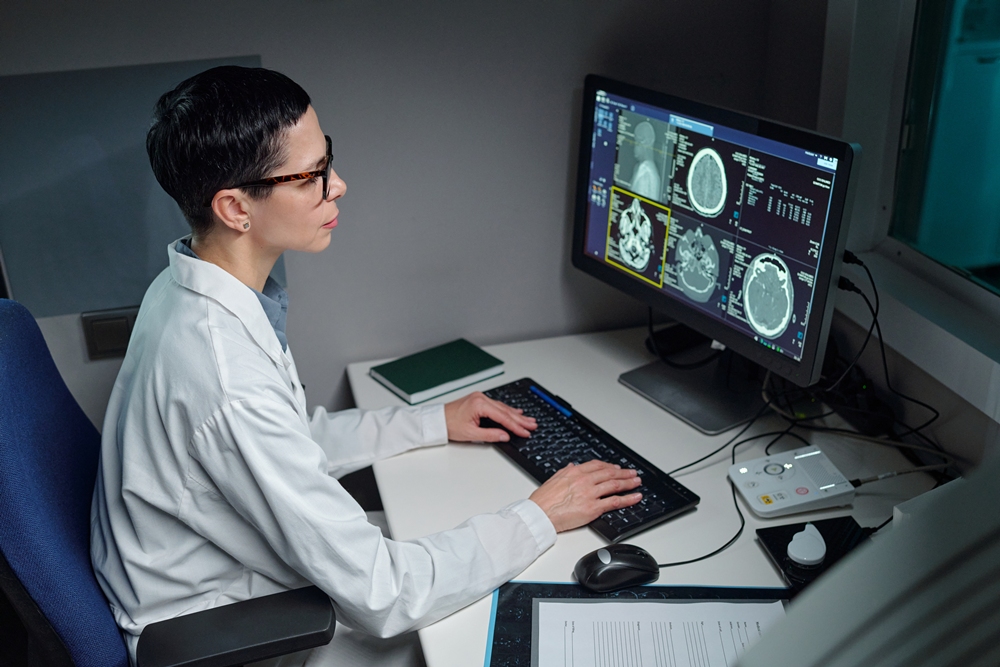
The patient lies face down in an MRI scanner while a proprietary navigation and delivery platform guides the cells directly into the striatum, an area deep within the brain.
The striatum is involved in movement, decision-making and motivation, and damage to it causes symptoms associated with Huntington’s disease.
Participants will be closely monitored for side effects and early signs of possible benefit.
The trial is supported by a US$12m grant from the California Institute of Regenerative Medicine and is being co-ordinated through the UC Irvine Alpha Clinic.
The clinic is one of nine California Institute of Regenerative Medicine clinical research centres in the state and is the clinical arm of the UC Irvine Sue & Bill Gross Stem Cell Research Center.
The trial will enrol 21 people aged 18 to 65 with early-stage Huntington’s disease.
Twelve participants will enter a phase 1b dose-escalation group, while nine will join a phase 2a expansion group.
Huntington’s disease can place a significant financial and emotional burden on patients, families and carers as it progresses over several decades.
In California, annual healthcare costs for people with the condition are estimated to range from US$3m to US$25m.