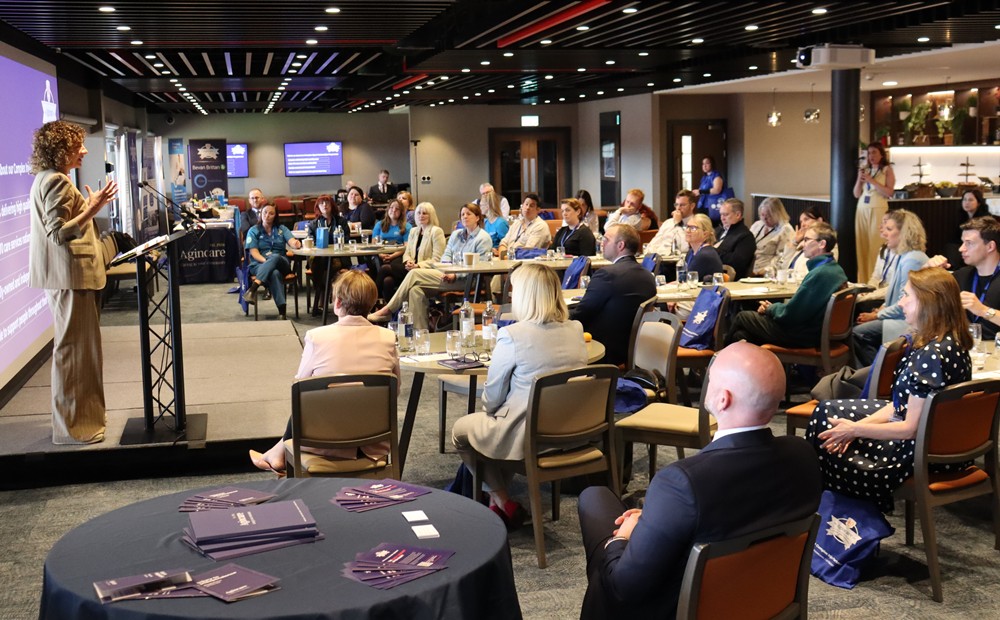
By Tim Jones and Kieran Grainger of Enable Law, collaborating with Dr Alyson Norman, the chair of Headway Somerset
When people think of a brain injury, they tend to picture the critical moment it happens — a dramatic, often life-or-death event that commands immediate attention, care and support.
An acquired brain injury (ABI) is any brain injury sustained after birth, and can arise from non-traumatic causes such as strokes, brain tumors, infections or oxygen deprivation or traumatic brain injuries, such as external head injuries, penetration of the skull or diffuse-axonal injuries (rapid rotation or deceleration of the brain inside the skull).
What is perhaps understandably less frequently considered by those without lived experience, is that for those living with an ABI, their family members, and the professionals who support them throughout the remainder of their lives, this is only the very beginning and the more difficult question is really what happens next.
The effects of an acquired brain injury are often complex and invisible.
Beyond physical symptoms such as fatigue, mobility and communication difficulties, individuals may face cognitive challenges with planning, decision-making and motivation, alongside emotional and behavioural changes including anxiety, depression, impulsivity and personality change.
Those with lived experience of acquired brain injury — and the professionals who support them, including clinicians, researchers and legal specialists — recognise that while the medical outcome is critically important, it cannot be the sole focus.
The impact extends far beyond health, with significant economic and societal consequences arising from the individual’s symptoms.
When individuals do not receive the right support following an acquired brain injury, the consequences can be far-reaching.
Unmet needs in rehabilitation, education, and social care can lead to loss of independence, reduced access to employment, and increased reliance on public services.
This can, in turn, contribute to social isolation, mental health difficulties, and in some cases involvement with the criminal justice system.
Without timely and coordinated support, what begins as a health issue can escalate into a broader societal challenge, affecting not only the individual and their family, but also placing significant and avoidable pressure on healthcare, social care and wider public resources.
The Scale of the Issue
Following a report prepared by the All-Party Parliamentary Group for Acquired Brain Injury undertaken with the assistance of the United Kingdom Acquired Brian Injury Forum in May 2025, it is estimated that the economic cost of ABI to the UK economy is £43 billion per year, a figure roughly equal to a quarter of the NHS annual budget or 1.5 per cent of UK GDP.
An even more striking figure is the estimated £91.5 billion cost associated with wellbeing impacts.
These costs reflect the profound human consequences of acquired brain injury, including reduced quality of life, premature mortality, and the wider impact on families — particularly the wellbeing of informal carers, partners and children.
The Cost
The Obvious Economic Cost
Whilst this alone is an incredible sum, it is important to note that this is in fact considered to be a conservative figure which does not address the wider human impact of an ABI.
The figures in this report arise from those more obvious and quantifiable costs.
- Direct healthcare costs such as emergency treatment, hospital stays, equipment and longer-term rehabilitation accounting for nearly £20m alone;
- Long term personal social care provision, is around £4.6bn;
- Lost productivity for both those who have sustained an ABI and those who become informal carers, where time is taken away from the labour market whether due to illness, treatment, rehabilitation or caring responsibilities or simply failing to return to work, estimated at around £16.6bn.
The Less Obvious Economic Cost
- Education costs, particularly those arising from Special Educational Needs as a result of an ABI, just over £900m
- Costs arising from greater interaction with the criminal justice system, whether prison or the court system at £800m. It is well established that those with ABI are overrepresented in the criminal justice system where various studies have found TBI or head injuries in the region of 60% of offenders Brain injury and the criminal justice system | Headway
Further less obvious costs include:
- Mental health services
- Drug and alcohol services – substance dependency
- Domestic violence services
- Welfare benefits
- Additional injuries
- Lost tax revenue
- Homelessness – Charity Brainkind consider that those who are homeless are more than twice as likely to have suffered a TBI as the wider population, with most having received their first injury before becoming homeless dtfoundation-briefing-2pp_web.pdf
Whilst these financial figures are striking, many of the most profound impacts of acquired brain injury are far less visible.
Often described as a “hidden” disability, ABI can significantly affect everyday life in ways that are not immediately apparent.
Individuals may lose the ability to contribute through unpaid roles such as childcare, household responsibilities or volunteering, while the ripple effects on family life can be significant, sometimes contributing to relationship breakdown and impacting children.
Wider social connections, including relationships with friends, neighbours and the community, can also be affected, alongside an overall decline in wellbeing.
Beyond these more tangible effects, there are also deeper, less easily defined losses — a reduced quality of life, missed opportunities, and the loss of relationships, independence and a sense of purpose.
For many, this includes a diminished ability to contribute to society in the way they once did, representing a personal loss that is difficult to quantify but deeply felt, often leading to a loss of self-identity.
Two Pathways, Two Outcomes
From our perspective as claimant solicitors representing individuals with acquired brain injuries, one of the clearest observations is the significant variation in outcomes between clients, even where their injuries may initially appear similar.
There are broadly two distinct pathways for individuals who have sustained an acquired brain injury.
In the first, an individual receives appropriate medical care during the acute phase following their injury, often benefiting from intensive treatment and support while in hospital.
However, once discharged, there is limited or no coordinated follow-up care within the community.
Any rehabilitation that is available is frequently short-term, fragmented, and delivered without clear, long-term goals or a joined-up plan for recovery.
Although many individuals do make adjustments and appear to cope in the short term, the underlying challenges often persist and, over time, begin to compound.
This is frequently seen in difficulties returning to work, where individuals may attempt a return but are unable to sustain either full-time or part-time employment due to fatigue, cognitive impairment or other symptoms.
As these challenges deepen, individuals can become increasingly reliant on a range of support services, including healthcare, social care, and welfare provision.
Without the right structure and early intervention, what might initially appear manageable can evolve into long-term dependency.
Alongside this, the less visible consequences of brain injury often begin to emerge. In the absence of appropriate support, individuals may experience wider social and behavioural difficulties, including substance dependency, homelessness, and repeated breakdowns in personal relationships — outcomes that not only affect the individual but have broader implications for families and society.
Alternatively, an individual may receive the same high standard of care during the acute phase, but with early recognition that the impact of their injury will extend beyond immediate medical concerns.
From the outset, a structured rehabilitation plan is put in place, led by a multidisciplinary team focused on identifying realistic, meaningful goals to support recovery.
The emphasis is on enabling the individual to return to their own environment and re-learn how to manage everyday life. This approach is often coordinated by a case manager, who oversees and integrates the various elements of support.
While these individuals will inevitably still face challenges, they are supported to navigate them in a consistent and coordinated way.
Although this approach can appear resource-intensive in the short term, the longer-term outcomes are markedly different.
With the right support, individuals are more likely to regain independence, achieve greater stability in behaviour and wellbeing, and require a reduced level of intervention over time — benefiting not only the individual, but also wider systems of care and support.
Why Early Rehabilitation Matters and the Problem of Fragmentation
These contrasting pathways illustrate a clear point: early, coordinated rehabilitation not only leads to improved quality of life for the individual, but also represents a more cost-effective approach in the long term when considering the wider economic impact on society.
Early intervention has been shown to give people the best chance of recovery and return to meaningful activity, as well as maintain their place within their families and community.
It is more than simply getting people back into work but restoring a sense of purpose.
Studies have shown that there are significant cost reductions associated with neurorehabilitation.
A 2018 study showed that those with a severe traumatic brain injury that receive coordinated multidisciplinary inpatient rehabilitation reduce their long-term disability, and what follows are cost benefits such as reduced long term care costs and increased return to work.
In this study the potential life-time savings for the whole cohort taken across 8 years, which included all adults admitted for specialist inpatient rehabilitation in a level 1 or 2 service (in line with NHS Standards), generated savings in the cost of ongoing care of over £4bn.
A study using data from the US identified that a major contributor to disability after a severe TBI is limited access to multidisciplinary rehabilitation, despite the evidence of the functional gains, improved quality of life, increased return to work and reduced need for long term care.
An analysis of policy across seven studies explored outcomes and cost savings amounting to average lifetime savings of $1.5m per person.
One of the greatest barriers to accessing early rehabilitation is the fragmentation of services.
Care pathways are often unclear or limited, with a particular gap between discharge from acute care and support within the community.
At this point, responsibility can become blurred, leaving individuals without coordinated support and effectively lost within the system.
Many of the people that come to us at Enable Law were left to navigate this complex landscape by themselves, at a time they were already facing significant emotional and practical challenges.
In reality, this is a period when their focus should be on recovery, rather than trying to manage and coordinate their own care.
The case for change
The publication of the NICE guidelines in October 2025 marks an important step in defining best practice for long-term rehabilitation.
These guidelines set out evidence-based recommendations for supporting individuals with long-term neurological conditions, including ABI.
They emphasise a holistic, person-centred approach, recognising not only the needs of the individual but also the vital role of families, carers, and professionals involved in their care.
Central to the guidance is a focus on personalised rehabilitation that promotes lifelong participation, supports independence, and ensures care is delivered in the least restrictive environment possible.
The guidelines emphasise that rehabilitation should be personalised, holistic, and coordinated across all settings, including long-term delivery within the community.
They advocate a lifelong approach, ensuring multidisciplinary input while promoting care in the least restrictive environment possible.
Rehabilitation plans are expected to be clearly structured, setting out defined goals alongside the timing, frequency and ongoing review of support.
Importantly, the guidance recognises that effective rehabilitation must extend beyond physical recovery.
It should address the full breadth of an individual’s needs, including those arising from less visible disabilities, with a focus on real-world functioning rather than superficial measures of progress.
The guidelines also acknowledge a long-standing challenge: individuals with acquired brain injury are frequently lost within the systems designed to support them, particularly within statutory services.
As a result, many do not receive the coordinated support they require. In response, the guidance highlights the value of case management — providing a single, consistent point of contact to oversee and integrate care — an approach that has long been established in the independent sector but is still not widely embedded within statutory provision.
“Across my work in research, policy and community support, and through my own personal experience, I have seen how the trajectory of a person’s life after acquired brain injury is often shaped not just by the injury itself, but by whether they can access timely, coordinated rehabilitation and ongoing support.
“When individuals and families receive the right help early, they are more likely to remain connected to their communities, maintain independence, and rebuild meaningful lives.
“The evidence is clear that investing in rehabilitation is not simply the right thing to do for people affected by brain injury, but it is also one of the most effective ways to reduce long-term costs to society.” – Dr Alyson Norman, Associate Professor, University of Plymouth; Vice Chair, UKABIF; Chair, Headway Somerset
The challenge, therefore, is clear: despite a strong evidence base and clear guidance, the level of rehabilitation and support required is not consistently available to all. As a result, many individuals are left without access to the services they need.
While early investment in rehabilitation has clear long-term benefits, it is not always prioritised or funded in practice.
Legal Support
Against this backdrop, litigation can play a critical role in bridging that gap.
Where an individual has sustained an acquired brain injury as a result of negligence, claimant lawyers are able to facilitate access to early and coordinated rehabilitation.
At Enable Law, this begins with engaging with the Defendant or their insurer at the earliest opportunity, typically under the Rehabilitation Code 2015.
This allows for a collaborative approach to be taken from the outset, including the joint instruction of an appropriately qualified case manager with specialist neurological expertise.
Importantly, this can often be agreed on a without prejudice basis, meaning that rehabilitation can begin even where liability is still under investigation.
This enables early intervention at a stage when it is most likely to have a meaningful impact on recovery.
A key first step is the preparation of an Immediate Needs Assessment, which considers the full scope of the individual’s needs and sets out a tailored rehabilitation plan.
In many cases, funding for this support can be agreed voluntarily. Where this is not possible, interim payments may be sought to ensure that essential rehabilitation is not delayed.
Once in place, a coordinated, multidisciplinary rehabilitation programme is implemented and overseen by the case manager.
For individuals with acquired brain injury, this often includes a combination of neuropsychology, physiotherapy, occupational therapy, speech and language therapy, care support, and the provision of appropriate aids and equipment.
As the claim progresses, the rehabilitation plan remains under regular review, adapting to the individual’s evolving needs.
This approach closely reflects the second pathway described earlier — one that prioritises early, structured intervention and long-term outcomes.
The benefits of this are clear.
Early access to appropriate rehabilitation increases the likelihood of meaningful recovery, supports a return to independence, and reduces the risk of long-term complications and dependency.
In doing so, it not only improves outcomes for the individual, but also reduces the wider societal and economic costs associated with inadequate support.
Beyond early intervention, the legal process also serves a longer-term purpose.
Our role is to ensure that individuals are, as far as possible, restored to the position they would have been in but for their injury.
This involves working with medical and other experts to fully understand and evidence their lifelong needs, ensuring that appropriate provision is secured for the future.
In this way, legal support not only enables access to rehabilitation at a critical early stage, but also helps to address the long-term consequences of acquired brain injury — ultimately reducing both individual hardship and the wider impact on society.
Learn more about Enable Law at enablelaw.com