Interview with Laura Richardson-Cheater, director and co-owner of Richardson Care
Since Richardson Care was established by my parents in 1989, we have supported our service users, who have an acquired brain injury or learning disabilities, to have active and fulfilling lives.
We have always supported individuals to participate in community activities of their choice and to achieve their personal goals.
Holidays, day trips and cultural visits are part of life at Richardson Care. My parents knew instinctively that they were good for mental health, well-being and functional skills.
It was innovative at the time and we now have the scientific knowledge to back that up.
Novel activities benefit neuro rehabilitation and well-being in various ways: Anything new, unfamiliar or mentally stimulating can have a powerful effect on the brain.
As well as making life more interesting, it can change how the brain works and grows. However, providing the right balance of structure and consistency with novelty is crucial.
Neuroplasticity
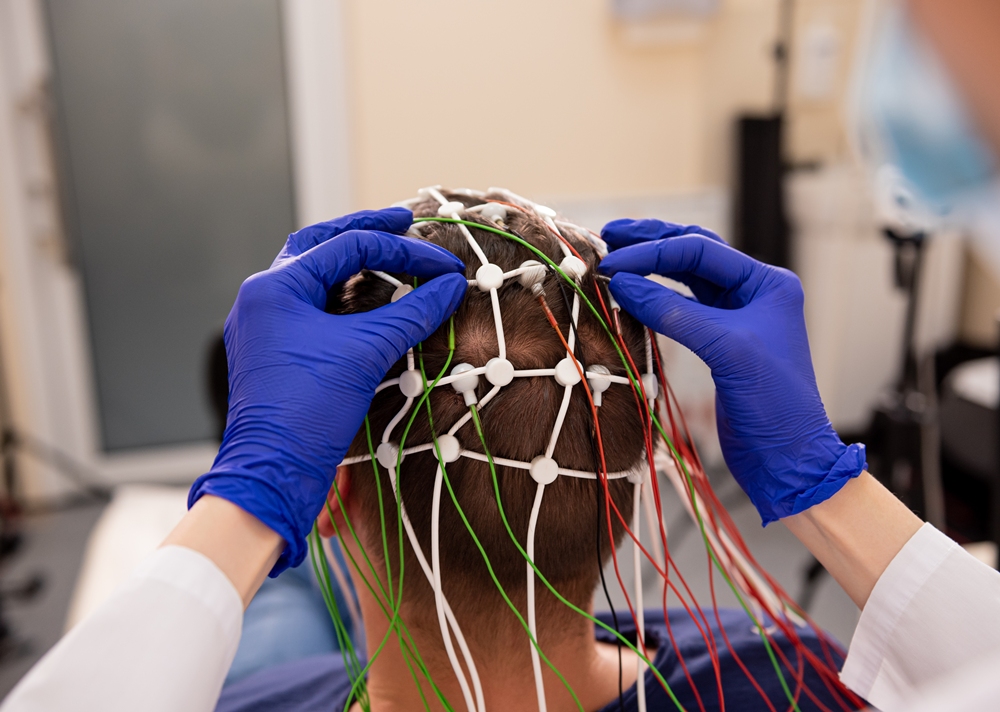
One of the biggest effects is on neuroplasticity – the brain’s ability to rewire itself, which is vital in neuro rehabilitation. When you try something new, your brain forms new neural connections, becoming more flexible and adaptable.
After a brain injury, the brain relies heavily on neuroplasticity to recover lost or weakened functions.
Introducing new activities can help ‘reroute’ skills by encouraging the brain to build alternative neural pathways. For example, someone who struggles with speech after an injury may benefit from new forms of communication practice, like music, rhythm or visual cues.
Combining novelty with structure
However, there’s an important balance and everyone is different. Someone whose brain is healing or develops differently can become overwhelmed more easily
. Too much novelty at once can lead to fatigue, frustration or shutdown rather than growth. So structured novelty is crucial – new experiences introduced gradually, with repetition and support.
Occupational Therapy
A new activity may be introduced then repeated on a weekly basis as part of an individual’s occupational therapy.
We have a specialist Neurological Occupational Therapist in our MDT (multi-disciplinary team). She helps service users to identify suitable opportunities.
These align with their interests and abilities, but also need to be manageable. If an activity is challenging yet achievable, it can promote continuous improvement and skill development, as well as providing fulfilment.
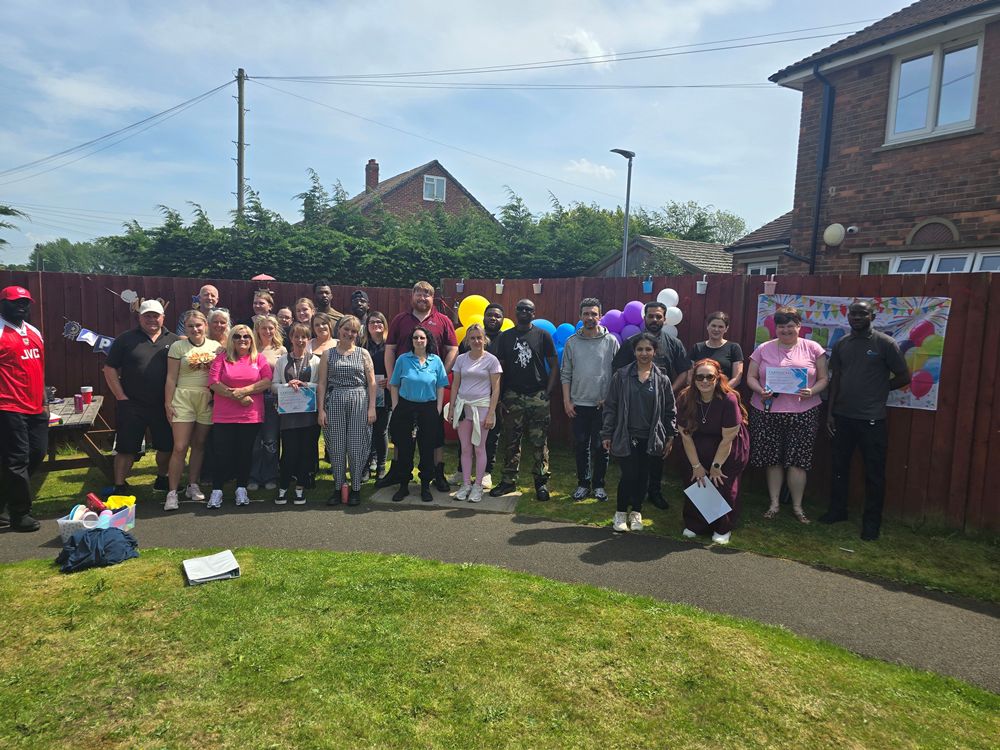
For example, some of our service users do voluntary work each week, including gardening, furniture restoration or working in a library.
Other weekly activities include music enrichment sessions and ‘armchair’ exercises. All activity is person-centred, supporting each individual’s self-worth and self-esteem.
Engaging the brain’s reward system
Novelty can also engage the brain’s reward system. For example, encountering something new causes the brain to release dopamine, which boosts motivation, attention and learning.
That’s why new experiences can feel exciting and energising. The extent to which this happens will vary according to each individual as neurodiversity or a brain injury can affect the brain’s ability to release dopamine.
Each individual is supported to make choices about what they want to do. These activities may be to visit museums, exhibitions, the theatre or go on trips to the seaside.
Entertainers are invited to perform in our homes and we have themed events as well as visits from Pets as Therapy and other animals.
Other neurological benefits
There may also a memory benefit: New experiences can activate the hippocampus (a key memory centre), making it easier to encode and retain information.
This is why people often remember events that were unusual or ‘first-time’ experiences much more vividly than routine days.
In a healthy brain over time, regularly engaging in novel activities can:
- Improve cognitive flexibility (your ability to switch between ideas or adapt)
- Enhance creativity by exposing you to new patterns and perspectives
- Slow cognitive decline by keeping neural circuits active and challenged
- Increase resilience, since your brain gets better at handling uncertainty
On the other hand, too little novelty (i.e. doing the same things every day) can lead to mental stagnation. The brain becomes more efficient, but less adaptable.
In neuro rehabilitation, the key isn’t constant novelty, but regular, manageable newness—small challenges that push someone just outside their comfort zone without overwhelming them.
Where that comfort zone is varies in each individual.
For people with learning disabilities or a brain injury novelty may also help concepts “click” when presented in a different way (e.g., visual instead of verbal) or strengthen weaker cognitive pathways by practicing skills in varied contexts.
But again, consistency is key.
Therefore person-centred goal-setting, consistent support and the opportunity for new experiences help to support our service users to be themselves and live fulfilling lives.
Richardson Care is a specialist provider of neuro rehab services for adults with acquired brain injury, or learning disabilities and complex needs.
An independent family business with a 37-year track record, it has six specialist homes in Northampton.
To find out more or arrange a visit, call 01604 791266, www.richardsoncares.co.uk.