About Andrew Mernin

This author has not yet filled in any details.
So far Andrew Mernin has created 640 blog entries.

Half of brain injury survivors lost access to rehab

Fifty-seven per cent of people surveyed, who had all sustained their injuries in the last two years, say their access to specialist treatment has been negatively impacted from lockdown measures.

Among those living with the long-term effects of brain injury, two thirds reported that their mental health has deteriorated due to government measures to control the spread of Covid-19, and the same number fear for their futures.

These findings highlight the importance of ensuring those affected by brain injury are provided with appropriate physical, psychological and social rehabilitation, says Headway.

Peter McCabe, the charity’s chief executive of Headway, says the findings are ‘deeply concerning’.

By |2025-06-16T08:09:04+01:0017 July 2020|News|

Becoming a medico-legal expert

For a clinician or therapist, the prospect of getting involved in medico-legal work can be exciting. It is an opportunity to consider clinical issues from a different perspective: what are the injured person’s reasonable needs and how can these needs be met, with the possibility of no funding restrictions?

There is an opportunity to assess injured people in their own time, working around other professionals and family commitments. There is the potential to be  challenged, in a constructive way, by barristers and solicitors, further strengthening and improving their knowledge and area of expertise.

The risks of undertaking medico-legal work

However, in addition to the benefits, there are risk areas that aspiring medico-legal experts need to be aware of before building a medico-legal practice.

By |2024-07-04T17:47:02+01:0010 July 2020|News, Legal|

The baby who helped to create pioneering ‘brain-washing’ treatment

“But when he was 48 hours old, he had a massive brain haemorrhage on the right side of his brain and a small one on the left, and another in his lungs,” says Steve.

“We weren’t allowed to see him for that 48 hours – we were given a polaroid picture, but he was all battered and bruised and had wires coming out of him.”

Doctors told Becky and Steve that Isaac would need intervention, and suggested a new treatment they were trailing. Drift therapy was developed in 1998 and trialled from 2003 by Andrew Whitelaw, professor of neonatal medicine at the University of Bristol and Ian People, consultant neurosurgeon from University Hospitals Bristol and Weston NHS Foundation Trust.

By |2024-07-04T17:47:02+01:0010 July 2020|News|

Delays in neurological treatment for seven in 10 patients

This means people with long-term neurological conditions could be missing out on vital tests and treatment, according to the Neurological Alliance. More than 70 per cent of those who replied to the Neurological Alliance’s survey between 9 and 20 June said their NHS appointments had been delayed, and four in 10 did not know when their appointment would be rescheduled. Due to the risk of infection and many staff being redeployed, most face-to-face neurology appointments have been delayed or cancelled.

By |2024-07-04T17:47:02+01:008 July 2020|News|

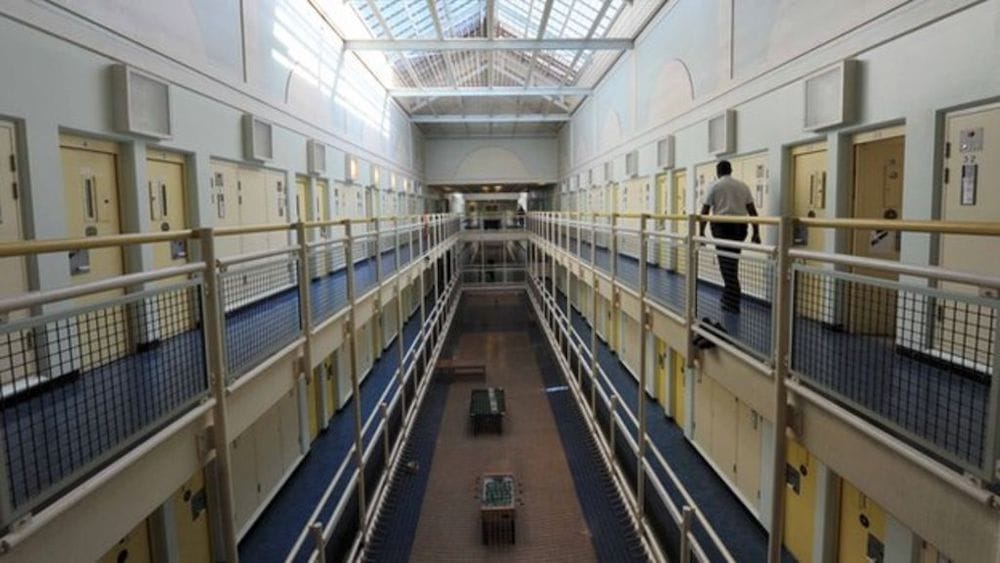
Headway to deliver brain injury training to prisons and probation staff

The programme will take on a ‘train the trainer’ format, with additional information and tools being provided to all appropriate officers and staff, the brain injury charity has confirmed. The contract does not include training provision for police services, however. Headway has previously delivered training to the Metropolitan Police and Surrey Police services, and says it is working to roll similar training out to other police services across the UK. Last year the charity delivered training to Surrey Police’s custody staff to help them better identify and support people with brain injuries coming into custody.

By |2024-07-04T17:47:02+01:008 July 2020|News|

MP urges government to screen domestic abuse victims for brain injury

The screening should take place within two weeks of a domestic abuse protection notice or order being issued, or within two weeks of a domestic abuse charge against an alleged perpetrator, states Labour MP Chris Bryant’s tabled amendment to the bill.

Bryant has also put forward an amendment stating that female prisoners must be screened for TBI and other forms of acquired brain injury, including concussion, within two weeks of starting their sentence.

The screening will help to determine if the woman has been the subject of domestic abuse and, if testing shows that this abuse caused a brain injury, she should be “given appropriate rehabilitation treatment and advice".

By |2024-07-04T17:47:02+01:007 July 2020|News|

Looking beyond Covid-19 – private or statutory funding for those with a serious injury

Before Covid-19, it was well-known that our hard-working NHS and social care services were stretched due to increasing demand and competing priorities for more investment.

It seems like that there will be long-term health complications arising after a Covid-19 infection. There are some specialist rehabilitation programmes which have been set up.

This may further increase the additional demand currently being  put on the NHS.

By |2024-07-04T17:47:02+01:007 July 2020|News|

Running in the name of mental health

The Blue Light Symphony Orchestra, the UK's only orchestra for all emergency services personnel, is calling on the public to use their daily lockdown exercise time to show their support for the emergency services by completing the 999Run. According to the charity, which uses music and music therapy to help improve the mental wellbeing of police, fire and ambulance staff, COVID-19 has seen an exacerbation of the already critical state of mental health among blue light workers. By completing the 999Run and raising money, the public can support the charity to address the issues around trauma, PTSD, chronic stress, and anxiety among 999 emergency service staff.

By |2024-07-04T17:47:03+01:006 July 2020|News|

“This is the first opportunity for the neuroscience community to understand the virus”

Senior clinician Benedict Michael hasn’t slept more than four hours a night since February. While many in the field would say science is a slow process, the opposite is true for Michael since he started leading groundbreaking research into the neurological complications caused by Covid-19. “When it became apparent the virus had taken hold in Italy, I said to the guys, ‘We’ve got to get something up and running’,” Michael, from the University of Liverpool, tells NR Times. Michael led a similar programme during the H1N1 epidemic over a decade ago, when he noticed that, while the number of people who developed neurological complications was low, they were often the most severe cases.

By |2024-07-04T17:47:03+01:003 July 2020|Research, News|
Go to Top