About Deborah Johnson

This author has not yet filled in any details.
So far Deborah Johnson has created 209 blog entries.

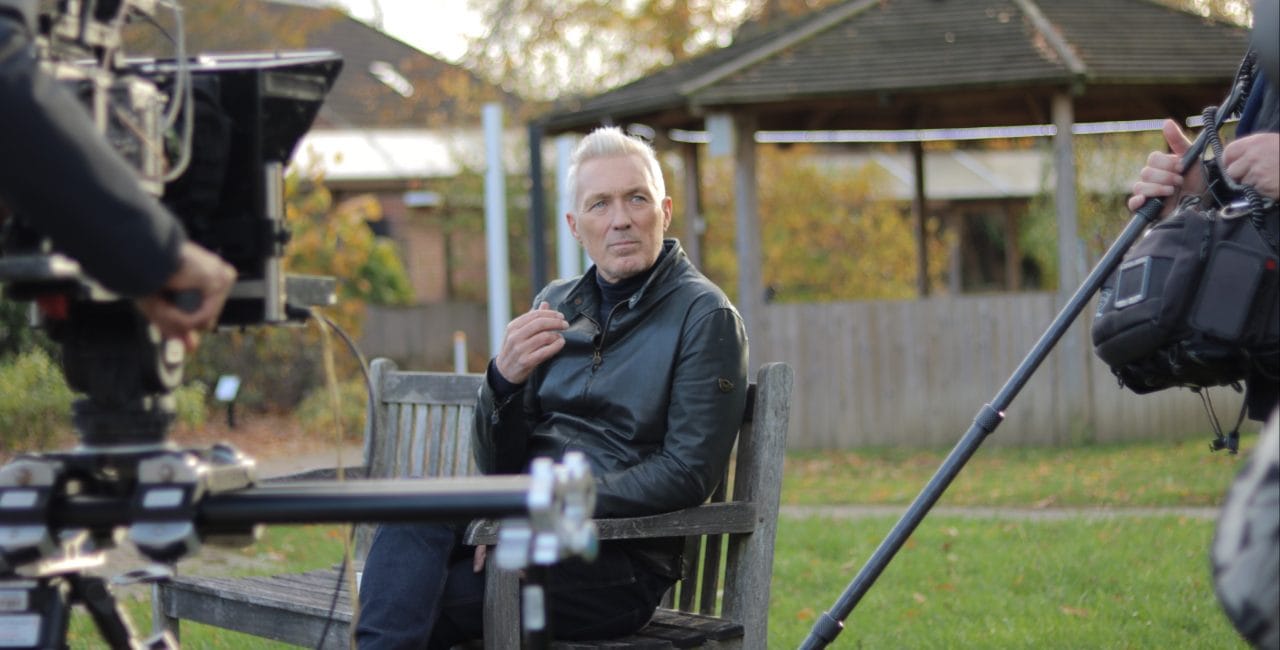
TV star Martin Kemp pledges support for children’s brain injury charity

A charity which provides residential and community care for children with neurological injuries and disabilities has secured the support of a celebrity who himself has overcome brain trauma in appealing for vital funds to sustain its work.

From its base in Tadworth, Surrey, The Children’s Trust has worked with 3,000 children and their families in the past two years, delivering specialist rehabilitation and tailored support as they rebuild their lives following injury or illness.

In support of its fundraising efforts, TV and music star Martin Kemp has committed his support, fronting a BBC Lifeline documentary to highlight the work of the charity.

Experts warn over pension changes

Senior professionals and practice owners must keep abreast of new and impending changes to pension arrangements and assess whether changes are needed to existing future plans, experts have warned.

A new and welcomed pensions annual allowance regime came into force during lockdown. This very broadly permits those with income and pension contributions of up to £240,000 to be entitled to a pension annual allowance of £40,000 during the tax year.

However, the annual allowance, introduced on April 6 to take effect from 2020/21 onwards, will continue to be reduced by £1 for every £2 of income exceeding the threshold, as was the case previously.

The maximum reduction in annual allowance is now £36,000, leaving those with an income and pension contributions of £312,000, with a pension annual allowance of only £4,000. So, while the income threshold has increased, taxpayers do need to be acutely aware of their annual incomes and annual pension contributions to assess whether they may in fact have a lower pension allowance than they anticipated.

By |2024-07-04T17:45:57+01:0023 November 2020|News|

‘My brain injury ruined my life – I wanted to end it all’

Having suffered a traumatic brain injury in an assault aged only 24, Martin’s life was changed forever. Here, he tells NR Times how his personality was changed beyond recognition, and why he is now relieved his suicide attempt failed.

It was a Wednesday morning. The sun was shining, children walked past my house on their way to school, it was a day like any other. But for me, today was different. Today was the day I decided I no longer wanted to be in this world.

I took one last look at the sun from my window, closed the blinds, then went to my bedroom with a cocktail of pills to hopefully make it all just end…

Having suffered a brain injury two years previously in a violent assault, which left me with a personality even I didn’t recognise, my life was in ruins.

By |2024-07-04T17:45:58+01:0019 November 2020|Patient stories, News|

Brain injury and stroke course developed to help nurses

A first-of-its-kind course for nurses to enhance their capability in supporting patients recovering from brain injuries and strokes has been developed. 

The online course, which is open to applications from around the world, enables registered nurses to study part-time while continuing their clinical roles, and will enable them to develop integrated brain, body and mind specialist skills, which are urgently needed in neurological rehabilitation.
By |2026-02-11T11:43:50+00:0017 November 2020|News, Inpatient neuro rehab, Care & services|

COVID effects on the brain study searching for participants

Neuroscientists exploring the lasting impacts of COVID-19 on the brain are recruiting participants for a study which has been created to provide answers for healthcare professionals and improved care for millions of patients across the world.

The COVID-19 Brain Study is looking to find 50,000 people globally who received a confirmed positive diagnosis of the virus, in order to answer some of the main questions about the disease’s direct and indirect effects on the brain.

The study, which has been translated into three languages, hopes to break new ground in understanding the neurological impact of COVID-19, which so far remains largely unknown.

By |2024-07-04T17:45:59+01:0017 November 2020|Brain injury, News|

Impact report shows challenges and opportunities

Case managers and service providers across the UK have embraced new ways of working during the COVID-19 pandemic which could become commonplace going forward, but concerns still persist about the lasting effects practically and financially, a new report has found.

Though the adoption of technology and remote means of client engagement, rehabilitation has continued to be provided in ways that will most likely become part of the ‘new normal’.

The Coronavirus - Impact on Rehabilitation report also highlights how by using ‘telerehab’, clients can feel more connected to their service providers, as more time is freed up for communication by taking out travelling time.

By |2024-07-04T17:46:00+01:0013 November 2020|News, Case management|

ConnectAbility projects uses smart devices to help brain injury patients

A project has been launched to introduce smart assistant devices into residential facilities for brain injury patients to enhance their wellbeing and increase their communication with the outside world both during the COVID-19 pandemic and beyond.

The Disabilities Trust is pioneering the ConnectAbility project, which makes use of technologies and digital means to help increase independence and widen opportunities for social interaction among patients.

Through raising money to buy smart assistant devices, such as the Amazon Alexa, the Trust believes this could help people to live independently and bridge the ‘digital literacy’ gap which have previously prevented many people, particularly those with cognitive impairments, from benefitting from technology.

By |2026-02-11T11:43:50+00:0012 November 2020|Inpatient neuro rehab, Care & services, Therapy, News|

Method for detecting traumatic brain injury at the point of care developed

Using chemical biomarkers released by the brain immediately after a head injury occurs, researchers are able to pinpoint when patients need urgent medical attention. This saves time in delivering vital treatment and avoids patients undergoing unnecessary tests where no injury has occurred.

The technique was developed by multi-disciplinary team of researchers in the group of Advanced Nanomaterials, Structures and Applications (ANMSA) led by Dr Pola Goldberg Oppenheimer at the University of Birmingham.

Following a proof-of-concept study, the group has now completed Innovate UK’s commercialisation programme, iCURE, to identify commercialisation routes for the revolutionary technique, identifying potential partners across eight countries. 

By |2024-07-04T17:46:02+01:0010 November 2020|News, Brain injury|

MS patient produces book to help people with similar conditions

Having felt so let down by the lack of support and guidance available to people with Multiple Sclerosis (MS), podcaster and campaigner Jessie Ace has now produced a book - My Enabled Warrior Tracker - in the latest step on her crusade to empower those with chronic conditions. NR Times learns more.

Diagnosed with MS aged only 22, having just graduated from university and - with a book deal already secured - about to embark on a career as an illustrator, Jessie Ace knows only too well how devastating and scary the outlook can seem.

“I thought my world had ended, but the worst part of it all was not knowing where to turn, or who to turn to. There was a total absence of information about what I should do from that point onwards,” she recalls.

By |2024-07-04T17:46:02+01:0010 November 2020|Multiple sclerosis, Patient stories, News|

Delivering at-home physio during lockdown – the challenges and opportunities

For those providing rehab services, lockdown has presented many challenges in how to continue treatment in light of ongoing restrictions. Here, Ben Ruby, owner of Ben Ruby Neuro Physio, discusses how he has adapted his way of working to ensure his clients continue to benefit and how telerehab can help people discover new possibilities.

“Provision of therapy services since March 2020 has shifted due to COVID-19 and the restrictions put in place by the government. Working within the private sector and providing specialist neurological physiotherapy input, I often spend prolonged periods of time within my clientshome.

Providing rehabilitation within peoples homes can generate fantastic results as its possible to make treatments specific to the individual’s needs and is more relevant to their day to day lives. This is something that cant always be replicated within a rehabilitation unit, for example.

By |2024-07-04T17:46:03+01:009 November 2020|News|
Go to Top