






Daily Round Up: Thursday 29 February
Subscribe to unlock the latest research, technological advancements and company updates from the global neurorehab sector.
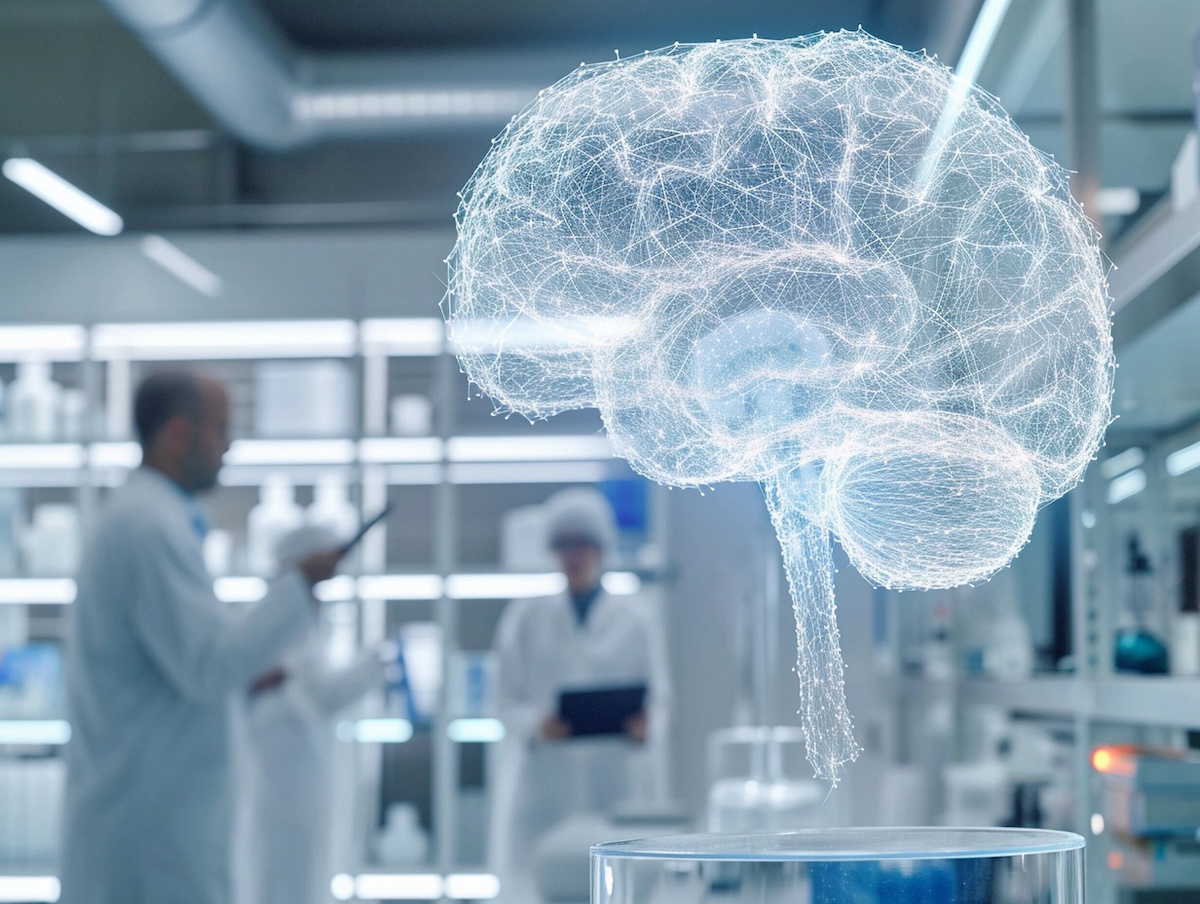
Interview: Why stroke patients don’t get the treatment they deserve—and what we’re doing to change it
Despite the number of people surviving after a stroke increasing in recent decades, there has been little change in rates of rehabilitation and recovery. Here we speak to global biopharmaceutical firm, Ipsen, about its efforts to address this. Thirty years ago, scientists working in a UK government defence facility discovered a neurotoxin —originating from the bacteria botulinum— which they realised could have medicinal uses. From this a drug was developed which in the years since would be used in various ways for the treatment of movement disorders. Today, botulinum toxin injections also known as Dysport®(abobotulinumtoxinA), are prescribed to help manage spasticity in stroke patients. However, despite having access to this drug for the last three decades, there has been little movement in the rates of rehabilitation among stroke survivors. Stroke remains the second leading cause of death and the third leading cause of combined death and disability across the world. This is a key area of focus for global biopharmaceutical firm, Ipsen, the manufacturer of Dysport®. Vice president of Global Medical Affairs, Dr Hamzah Baig, leads a team of scientists and physicians who conduct clinical trials in partnership with key research institutions across the world with the aim of improving patient care. In this exclusive interview with Dr Baig, he shares his insights on why research into stroke rehabilitation has been neglected, the challenges facing physicians in this sector and what the future of stroke care should look like.

Daily round-up: Friday 23 February
Welcome to your daily round-up of everything happening in the world of neurorehabilitation.
Subscribe to unlock the latest news and developments from across the neurorehab sector.
Your NR Headlines: Friday 16th February
Welcome to your daily round-up of everything happening in the world of neurorehabilitation.
Subscribe to unlock the latest research developments, technology news and company updates in the field of neurorehab.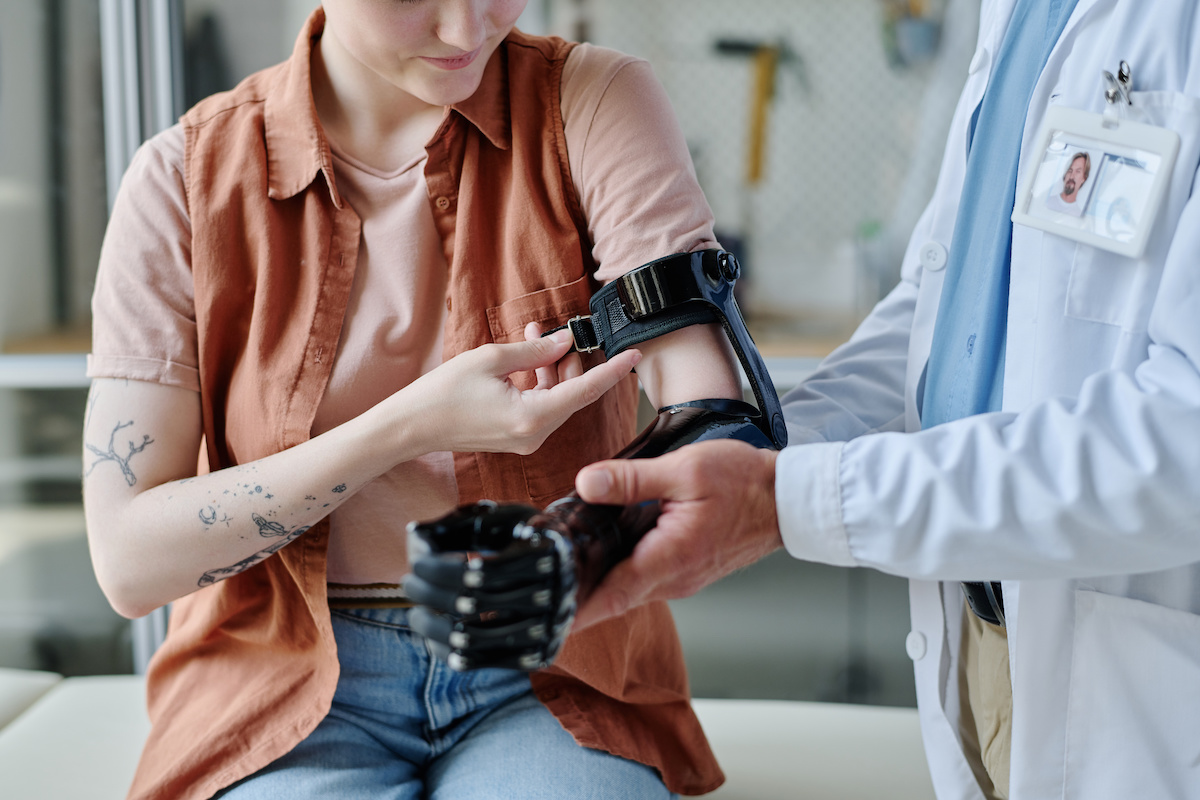
First NRC Chief AHP Fellow embarks on trans-humeral amputee research
An occupational therapist dedicated to improving the experiences of patients who have had an above the elbow amputation has secured the first Chief AHP Fellowship at the National Rehabilitation Centre (NRC).

Your NR Headlines: Thursday 15th February
Welcome to your daily round-up of everything happening in the world of neurorehabilitation.
Subscribe to unlock the latest research developments, technology news and company updates in the field of neurorehab.
Your NR Headlines: Friday 9 February
Welcome to your daily round-up of everything happening in the world of neurorehabilitation.
Research developments
Erectile dysfunction drugs linked to reduced risk of Alzheimer’s disease Erectile dysfunction drugs, which work by dilating blood vessels to allow more blood to flow through, were first developed to treat high blood pressure, but a new study suggests that the drugs may also be tied to a reduced risk of Alzheimer’s disease...
Your NR Headlines: Thursday 8 February
Welcome to your daily round-up of everything happening in the world of neurorehabilitation. Subscribe to unlock the latest research developments, technology news and company updates in the field of neurorehab.

Sleeping too much or too little linked to poor brain health – study
Sleeping too much or too little is associated with changes [...]


