Pioneering brain cancer research has been backed by a new six-figure award, to support its ambition to advance diagnosis and treatments.
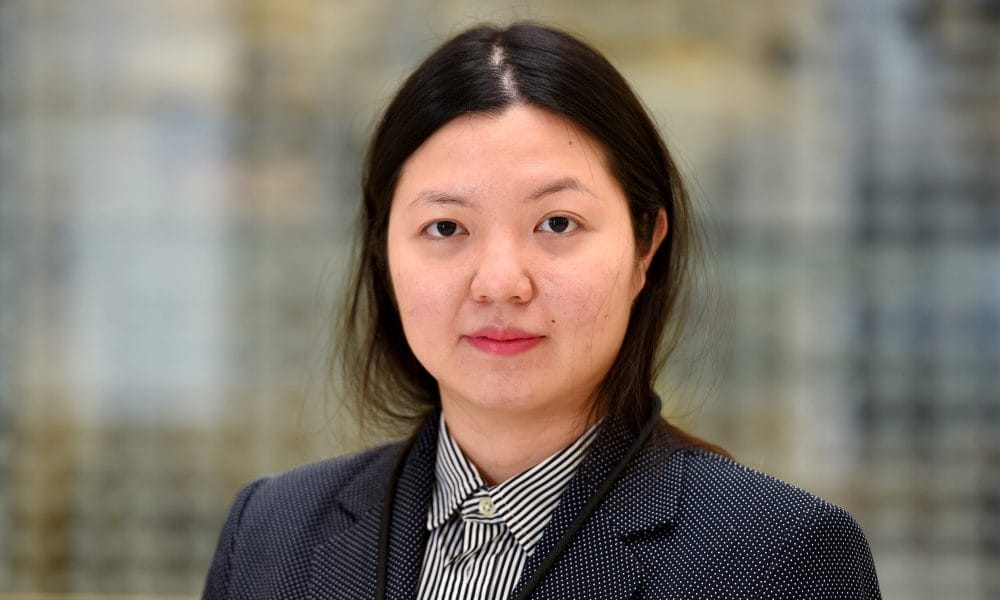
Dr Sharel Peisan E, a chemistry lecturer at Teesside University, will examine the nanoscale electrochemistry of brain cancer cells.
Using a multifunctional nanoscale electrochemical imaging platform, Dr E will be able to take a closer look at brain tumour cells and their processes to gain a better understanding of their biology.
The technology uses tiny electrodes to gain an extremely close and detailed visualisation of the biology of living cells.
This research project, backed by an award of £100,000, aims to explore how brain cancer reacts to different therapies on a cellular level, which will be applied to improving or designing more effective treatments for cancer patients.
It will also be able to provide insight into other neurodegenerative diseases such as Alzheimer’s in much the same way.
“Glioblastoma is one of the most devastating cancers, although its biology remains somewhat of a mystery in cancer research, with brain cancer cells being difficult to analyse using current methods of examination,” explained Dr E, who is based at Teesside University’s National Horizons Centre.

NHC National Horizons Centre
“My research will use advanced nanoscale imaging to provide a new view of the solid, liquid and gaseous processes, known as heterogeneous processes, on the cancer cells at the nanoscale, providing additional information on the glioblastoma biology which has previously been unattainable through microscopic techniques, allowing us to improve current diagnostics and treatments.”
Dr E won the grant from the Academy of Medical Sciences as part of the Springboard Award, which provides funding and career support for innovative bioscientists.
Teesside University’s National Horizons Centre, based at the Darlington campus, is a £22.3million centre of excellence for innovation and training in biosciences and healthcare, with strength in cancer research.
Professor Vikki Rand, interim director of the National Horizons Centre, said: “Here at the National Horizons Centre, we are positioned at the forefront of the biosciences and healthcare sector, leading groundbreaking research to drive progress in key areas including disease and climate change.
“We are devoted to gaining as much knowledge about cancer as we can, and our work in cancer research is particularly impressive, directly influencing the wider healthcare sector through studies which inform new and improved therapies to help real patients which is, after all, what our research is all about.
“Grants such as the Springboard Award from the Academy of Medical Sciences are extremely important and we are thrilled that Dr E has won this very substantial funding for her research.”