


Brain injury survivors help shape new medical technologies
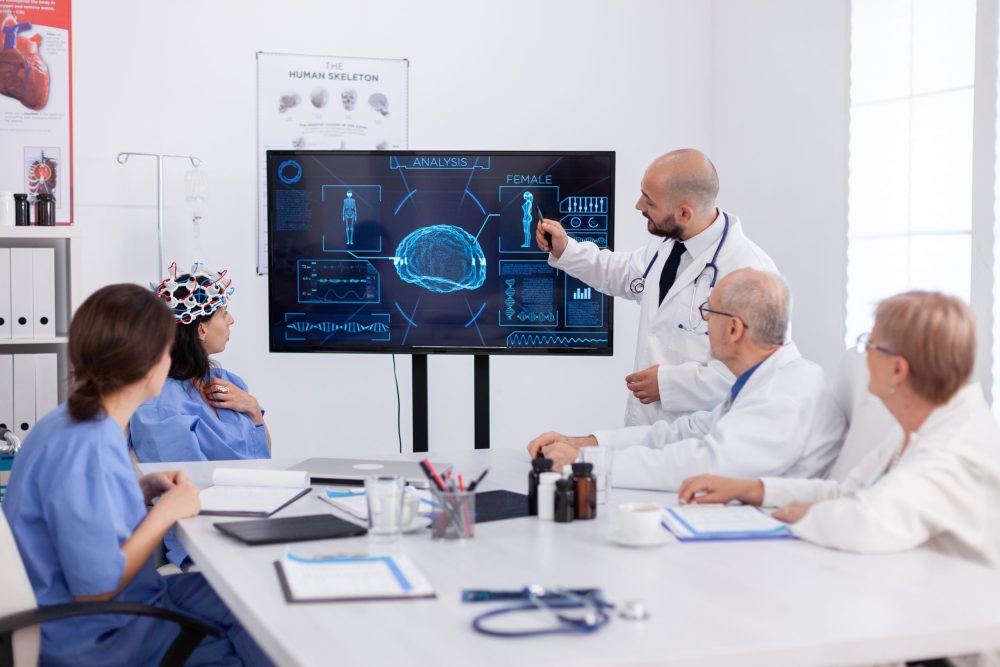
People living with brain injuries are playing a direct role in shaping how new medical technologies are developed, thanks to a programme designed to ensure innovations meet real-life needs.
The initiative brings together patients, clinicians, and technology developers in online sessions where research plans are presented and refined based on feedback from those with lived experience.
More than 20 of these sessions have already taken place, resulting in design changes to at least nine projects — including updates to Recallify, an AI-supported personalised memory and learning companion app designed to address cognitive challenges faced by individuals with acquired brain injury.

The programme was developed by James Piercy, an “expert by experience” of brain injury. James suffered a severe brain injury following a road accident in 2011 and now leads Public and Patient Involvement and Engagement (PPIE) at the HealthTech Research Centre (HRC) in Brain Injury, which is supported by the National Institute for Health and Care Research (NIHR).cuh.nhs.uk
Each one-hour virtual session allows innovators, including small and medium enterprises (SMEs) and clinicians, to present their research plans to selected groups of patients with relevant experience.
Dr Sarah Rudebeck, Clinical Advisor of Recallify, said:
“We made notes to inform future design of the app. It helped us focus on other features that need changing and updating, which we had not appreciated before the meeting. James was also excellent at running the group and asked some great questions.”
Participants are recruited from the Register for Healthcare Involvement and Technology Evaluation (RHITE), a national database established by the HRC. Individuals can register and select areas of interest. This enables the sessions to benefit from a representative group of individuals and is guiding ongoing work to increase the geographic, ethnic, and socio-economic diversity of RHITE members.cuh.nhs.uk
Mr Piercy said:
“Brain injury affects people of all ages and from every background. It is important that we have a diverse group sharing their experience so that everybody’s voice can be heard.
The involvement of people with lived experience of brain injury is vital in ensuring that new technologies deliver better outcomes for patients from all backgrounds, and we look forward to supporting more of these through our groups.”
Dr Alexis Joannides, Consultant Neurosurgeon and HRC Co-Director, added:cuh.nhs.uk
“The involvement programme provides valuable feedback early in the research process. This ensures that the design of health technologies is aligned with patient need, ultimately leading to successful products for adoption into the NHS and beyond.”
Key learnings from the programme include ensuring measurement of diversity, supporting access through online platforms, maximising impact through preparation of researchers ahead of sessions, and having a knowledgeable and empathetic facilitator.
The programme is based at Cambridge University Hospitals NHS Foundation Trust.


