Brain stimulation device set to improve depression in stroke survivors
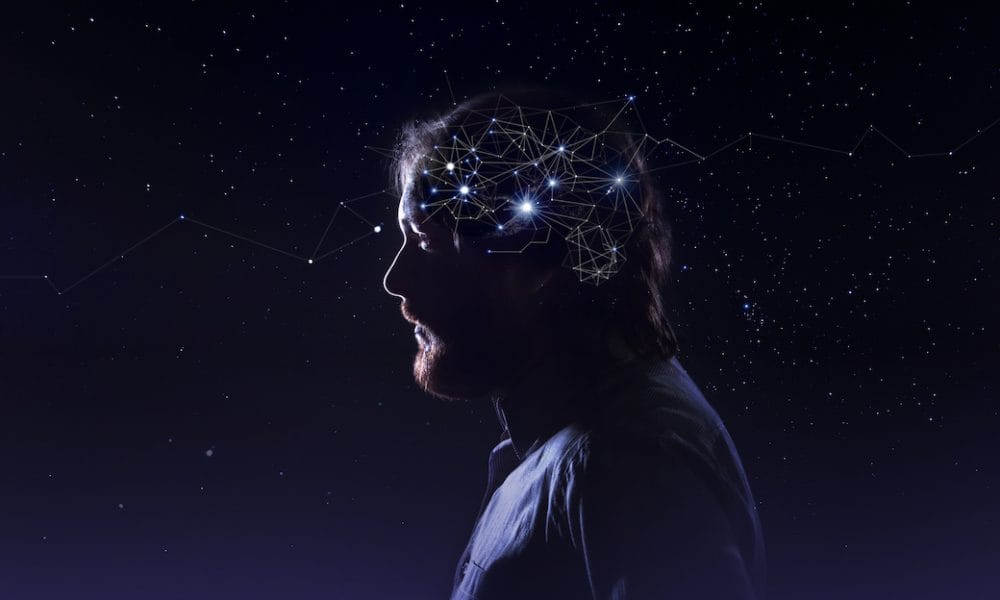
One in three stroke survivors experiences depression within five years of it happening, but a new device could help reduce this by utilising brain stimulation.
A study from the University of South Australia found that using repetitive transcranial magnetic stimulation (rTMS) improved depression among its patients.
The researchers delivered around 30,000 electromagnetic pulses to each stroke survivor’s brain over the course of two weeks, which showed positive changes in brain function.
This is the first time rTMS has been trialed on a large scale, with 11 patients volunteering for the research. Stroke survivor Saran Chamberlain was 38 when her accident occurred, leaving her paralysed down the left side of her body.
She took part in the study, saying: “When I heard about this trial using repetitive brain stimulation I was keen to try it to see if it made any difference.
“It did, and the effects lasted several months. I am still on antidepressants but I have reduced the dosage quite markedly. This really has made a difference to my life!”
Pharmaceutical drugs such as antidepressants are usually prescribed for patients suffering from low mood, which can often lead to negative side-effects.
Partly funded by the Honda Foundation, the brain stimulator treatment offers a non-invasive, alternative for stroke survivors.
As well as this, the device has the potential to improve motor recovery post stroke, with early signs suggesting that the treatment helps develop new connections between damaged parts of the brain.
Dr Brenton Hordacre was the study’s lead author and he said the benefits of the study will extend beyond the community.
“A stroke is a life-changing event in itself, bringing about personality, mood and emotional changes, so there is a very strong link between stroke, depression and anxiety.
“The advantage of using rTMS to treat depression is that it has relatively few side effects compared to pharmacological treatments.
“It can also be delivered over several sessions but the improvements in depression last well beyond that period.”
The device officially launches at the University in 2021, with the group’s students set to be trained in how to deliver the therapy under supervision.