Brain treatment enables Doug to return to beekeeping
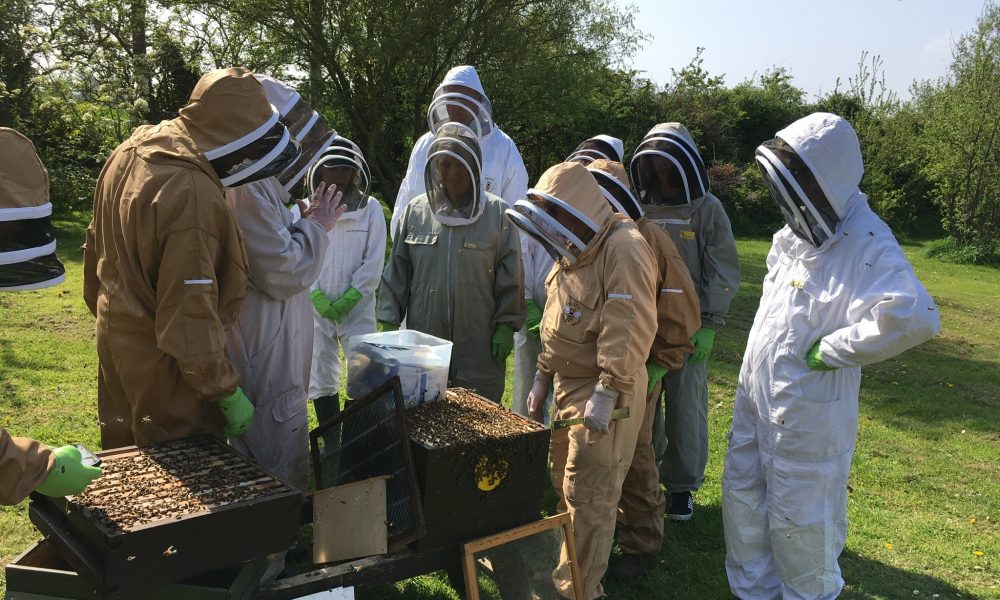
Having feared he may have dementia, 80-year-old Doug Jones now has his life back – and has returned to his beloved beekeeping – after a diagnosis revealed a treatable, rather than neurodegenerative, condition.
Doug noticed symptoms including forgetfulness, acting out of character and sleeping more than usual.
“It was a weird time. I didn’t feel like I was declining, but looking back now I can see that I wasn’t myself,” he recalls.
But while Doug and his wife Elaine feared it could be dementia, assessments from a specialist multi-disciplinary clinic at The Walton Centre revealed it was instead Normal Pressure Hydrocephalus (NPH) – a completely treatable condition.
NPH is an often unrecognised and misunderstood condition that mostly affects people over the age of 60. It can sometimes develop after an injury – which is potentially the case with Doug, as he fell backwards off a step ladder in November 2018 – although most often, the cause is unknown.
The condition involves an abnormal build-up of cerebrospinal fluid in the brain’s ventricles, which puts pressure on the brain causing dementia-like symptoms, walking deterioration and incontinence.
When identified, NPH can usually be solved by inserting a ventriculoperitoneal shunt in the brain, to drain away the excess fluid.
Doug, from Heswall, was fitted with a shunt in at the beginning of 2021 and has so far experienced a steady improvement, but still has short term memory issues and fatigue – although happily has been able to resume his passion of beekeeping.
He said: “I’m just glad that the clinicians at The Walton Centre were able to identify it was NPH, otherwise it would’ve been a very different outcome for me.”
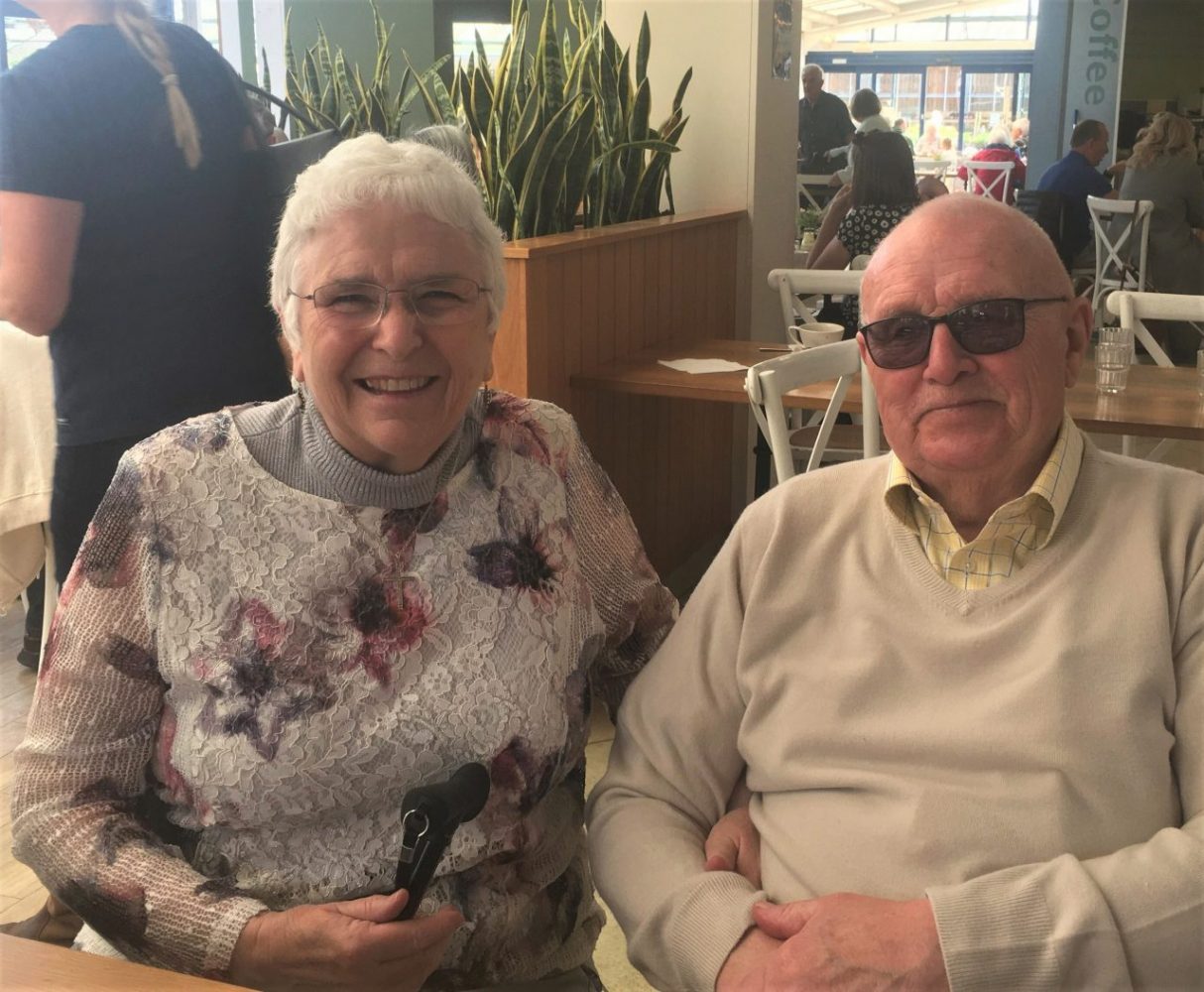
Doug with wife Elaine
Consultant neurosurgeon Catherine McMahon runs the NPH clinic at The Walton Centre.
“NPH is largely unrecognised and easy to misdiagnose as dementia,” she said.
“When patients come to us and we suspect it’s this condition, there’s a straightforward test which our advanced nurse specialists do.
“One key symptom is shuffling your feet when you walk, so the team and I draw off a small quantity of spinal fluid, wait, and then ask the patient to walk again.
“If we notice the shuffle has diminished or gone, that can tell us that it’s NPH and that they may need a shunt fitted to drain away the excess fluid into the abdominal cavity. We can fit innovative shunt valves which are programmable on future visits if the flow rate needs adjusting.
“The clinic we run here at The Walton Centre is a ‘one-stop-shop’ for NPH, patients will see everyone they need to in their appointment, get the tests they need and be booked in for further treatment if appropriate.”
Elaine added: “It’s been a slow journey, but after he had the shunt fitted Doug has progressed well.
“Shortly after the shunt was fitted, Doug regained his mobility and more of his independence.
“He’s an avid beekeeper and he was neglecting them when he had NPH, now he’s back at it and teaching others about keeping them, just like before.
“The team at The Walton Centre have given him a new lease of life and I’m so thankful.”