



Care provider makes significant investment to grow neuro offering
Specialist care provider Sue Ryder is making significant investment in neurological care as it continues to develop its offering.
The group has four specialist neurological care centres across England and Scotland, one of which is newly-built to increase provision in its area, and another doubling capacity in recent months to accommodate growing demand.
In addition to ongoing investment in its centres, Sue Ryder is looking to increase support for outpatients with expansion of its Care at Home service being considered, building on the success of its outreach home care model in Scotland.
Sue Ryder has offered neurological care provision for a number of years, supporting people with brain injuries and progressive neurological conditions including MS, Parkinson’s, Huntington disease and Motor Neurone Disease across the UK, but in the past four years has focused on expansion.

Last year, its Dee View Court neurological care centre in Aberdeen doubled capacity from 22 to 44 beds, following a capital appeal to enable it to increase much-needed provision in the area.
Its newest centre in Lancashire, in the planning for more than 15 years, was opened in April after an 18-month construction project made possible after extensive fundraising.
It opened its doors during the COVID-19 pandemic to provide essential support with its specialist neurological care offering, and has been hailed a ‘beacon’ for its role in working with multiple local partners to create a comprehensive care network.
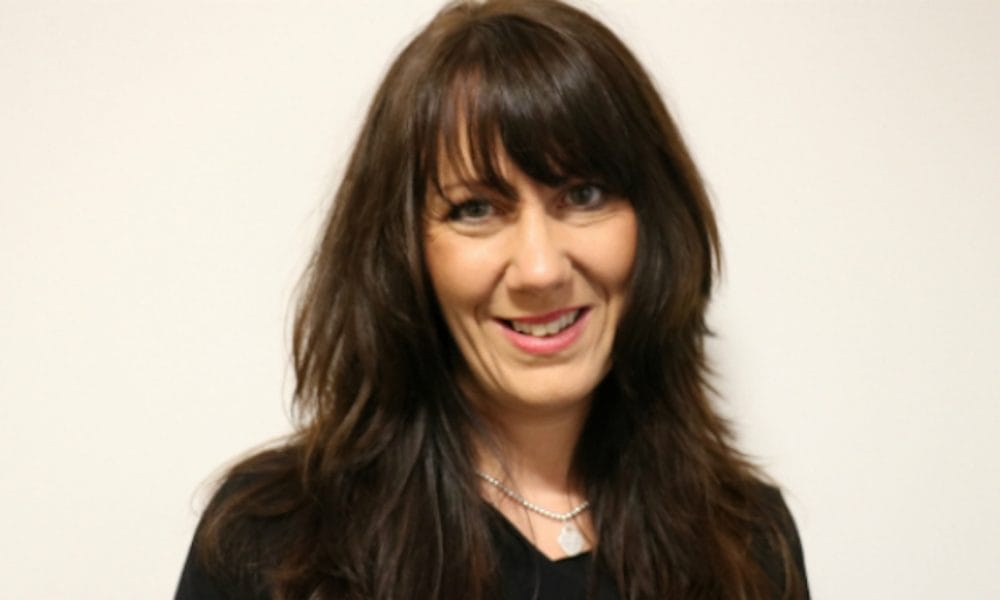
“We made a conscious decision to really focus on our neurological provision and grow and develop what we do to deliver even more specialist care,” says Pamela McKenzie, director of neurological services and Scotland at Sue Ryder.
“Neurological care is a bit of a postcode lottery, where people don’t always get the specialist care they require in appropriate settings, so we want to do what we can to increase options for people.
“We are making a huge investment in our neurological portfolio, it’s a big commitment for us to make, and we are working closely with local partners to ensure we are there to support people however we can.”
The opening of Lancashire and expansion of Aberdeen are examples of how Sue Ryder is committed to meeting the need for such resources, says Pamela.
“Rather than saying ‘We can’t do this because,’ we will say ‘How can we make it happen?’ That’s the ethos we work to,” she says.
“With Aberdeen, the demand and waiting list for our neurological care beds was huge, so we committed to expanding it, doubling our capacity to support those who need it.
“Lancashire is a new venue but has already made huge achievements in terms of the levels of engagement and relationships it has built on a local level, I’d say it was unique. We’ll continue to develop that in other areas, as there are no better examples of how working together can be so beneficial.”
The further development of the Care at Home service for neurological patients is something that is being considered to help increase provision even further.
“We know we only have so many beds, but want to support as many people as we can, so we are starting to scope out some possible new additions to our neurological services model,” reveals Pamela.
“An area we are considering is how can we better help people with outreach therapeutic services in their own homes.
“We have our Care at Home service in Scotland, which works well, so we are considering whether we could do outreach more widely. That is something we will be looking at carefully.”


