


Clinical practice

Psychedelic drugs may help sustain PTSD recovery by triggering brain repair, according to new research in rats. Psilocybin and MDMA can produce rapid effects in people with PTSD, but lasting benefits require brain circuits to stabilise. The study suggests myelin, the insulating layer around nerve cells, may help bridge the gap between the short-lived psychedelic [...]
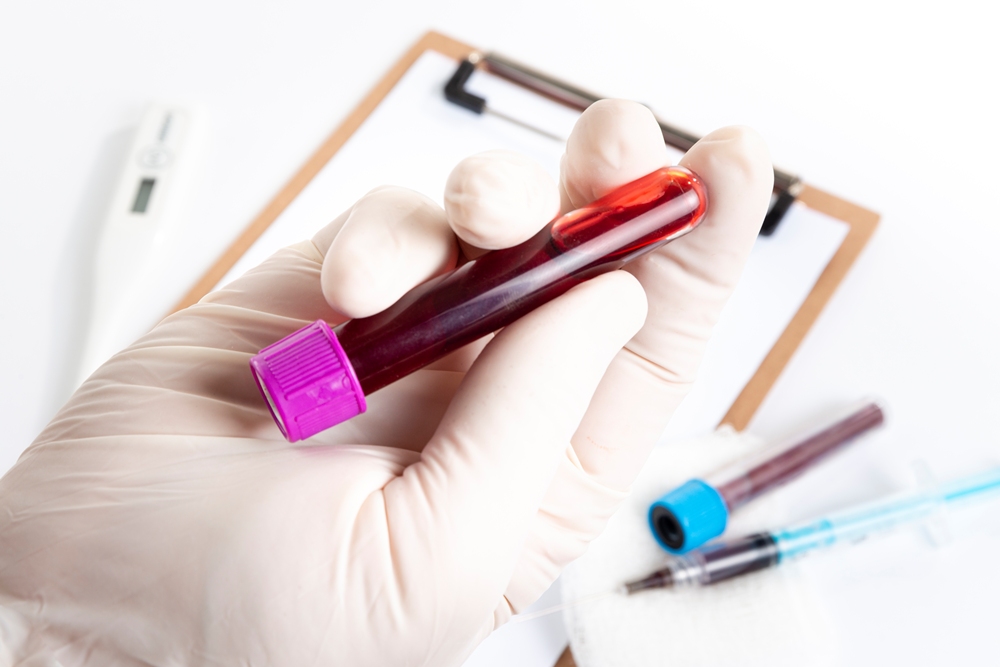
A blood test could help predict Alzheimer’s symptom onset, with researchers reporting estimates accurate to within three to four years. The method uses levels of a protein called p-tau217, measured in plasma, the liquid part of blood, to estimate the age at which symptoms are likely to appear. P-tau217 reflects the build-up of amyloid and [...]
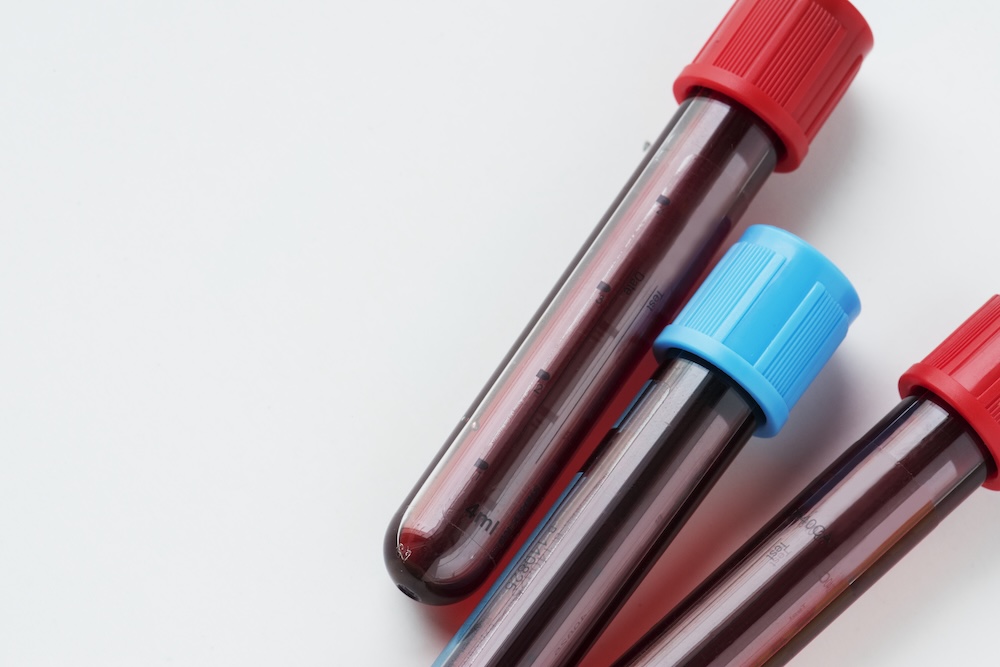
Early biological signs of Parkinson’s disease have been detected in blood years before symptoms appear, raising the prospect of earlier diagnosis and future treatment. The findings suggest key disease processes leave measurable traces in blood for a limited time, creating a window for early detection. Blood tests could begin to be trialled in healthcare within [...]

A study will test remote emotional and practical support for people after a transient ischaemic attack (TIA) or minor stroke. People who experience a TIA, a mini-stroke caused by a temporary drop in blood supply to the brain, or a minor stroke often face anxiety and loss of confidence. They may struggle to return to [...]

Sixty-two children who underwent spinal surgery in Ireland are to receive clinical follow-up as a precaution after an independent review. The Health Service Executive is clinically reviewing the children following completion of an external report into the service. The review concerns the practice of an individual consultant and the environment in which they operated at [...]

Lincolnshire Community Hospitals Group has joined with Spinal Injuries Association to improve patient experiences for people who have lost bowel function after injury or illness. While no official figures on the prevalence of paralysed bowels exist, the charity estimates that over 457,000 people in the UK with neurological conditions, including spinal cord injuries, multiple sclerosis, [...]

A new blood test tracks brain injury after stroke and predicts outcomes months to years later, researchers have said. The biomarker, brain-derived tau (BD-tau), could let clinicians monitor how damage evolves in the hours and days after stroke, which scans alone cannot show. In ischaemic stroke, part of the brain loses its blood supply. Decisions [...]

Over a third of severe TBI patients could regain partial independence if life-sustaining care continues, new research suggests. The study challenges assumptions about early withdrawal of care, suggesting that meaningful recovery is possible at a higher rate than many clinicians and families might expect. The research, led by University of Pittsburgh School of [...]

A simple tool predicts five-year dementia risk in stroke survivors using routine clinic and hospital data, an international team reports. The analysis drew on more than 2,600 stroke survivors across 12 studies in 10 countries, coordinated through the global Stroke and Cognition Consortium (STROKOG). Researchers found that a combination of age, sex, education, stroke severity, [...]

People experiencing delusions during psychosis may be ‘living out’ deep emotions, research suggests, offering a new way to understand the condition. The study sets out a “radically different perspective” on delusions, challenging older ideas that they are only a ‘glitched brain’. About 2-3 per cent of people in the UK and Australia experience psychosis, often [...]


