



Insight

By Victoria Johnson, Pennington’s Manches Cooper Severe brain injury at birth is one of the most devastating outcomes of clinical negligence. The consequences are not only medical but profoundly personal for the families involved. Part of our role as clinical negligence solicitors is to ensure that families are supported in the aftermath, within the framework [...]
By Stephanie McDonald, UPCM clinical lead, Unite Professionals Unite Professionals strive to provide high-quality case management and as a result, have considered numerous ways to ensure that this is achieved. One innovative idea is the implementation of a unique outcome measure tool which delivers a number of benefits. Outcome measures are tools which are used [...]

Neurotechnology company Reneural is transforming stroke rehabilitation with a new digital health initiative that utilises virtual reality (VR) technology. NR Times editor Stephanie Price speaks to co-founder Heraldas Gaspariunas (above left), COO, and Victor Harabari, CEO (above right), to find out more. Technology has seen rapid advancements over the last few decades that are now beginning to [...]

Risperidone raises stroke risk without exception in patients with dementia, according to researchers who analysed GP records. A study of 165,000 patients diagnosed with dementia after the age of 65 between 2004 and 2023 found stroke risk was increased even in those with no history of heart disease or stroke. Reporting their findings, researchers from [...]
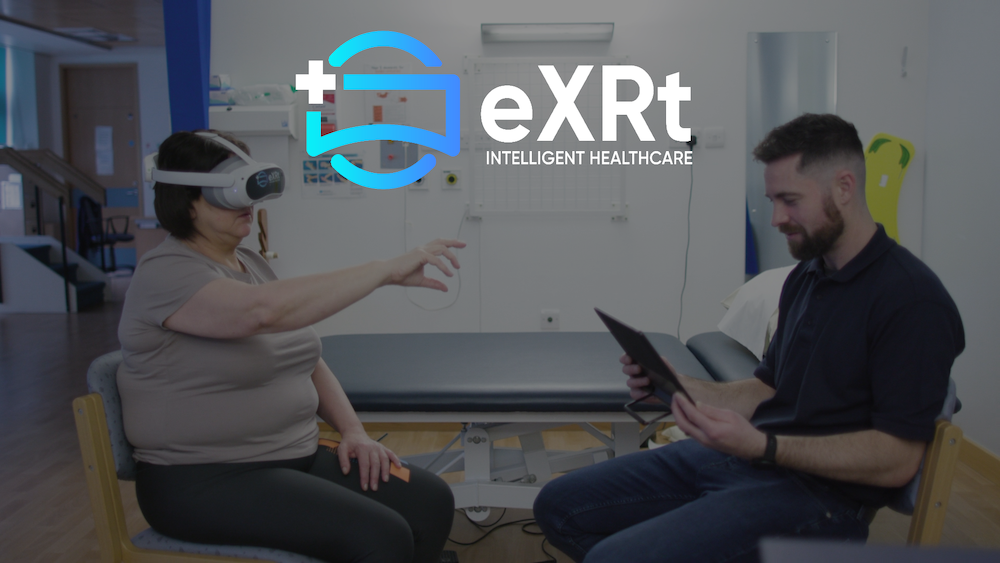
If you’re involved in stroke treatment—whether you’re an occupational therapist, physiotherapist, stroke consultant, or another healthcare professional—you already know the negative impact that stroke can have on patients, and the strain it places on our healthcare system in the NHS and globally. So there’s no need to explain the enormous challenge of meeting the new [...]

Emerging research is exploring the potential of photobiomodulation (PBM) - a light-based therapy targeting the gut-brain axis- as a promising new treatment for Parkinson’s disease. A recently published clinical trial, conducted on 60 participants in Canada, reported clinically significant improvements in multiple Parkinson’s symptoms following treatment with photobiomodulation (PBM) therapy. The results, presented last month at [...]

A man who lost three family members to Huntington's disease is completing a 100km challenge to raise awareness and break stigma around the condition. Mark Barrett, 38, from Howwood, Scotland, is taking on four half marathons and a triathlon over nine weeks after losing his father Frank, grandfather John and uncle Raymond to the inherited [...]

A pregnant woman who suffered a severe brain injury in a high-speed collision has secured a settlement of £9.2million, enabling her to access the bespoke support and rehabilitation she needs to help rebuild her life. The woman was a front seat passenger in a car which crashed into a tree, after the driver lost control [...]

Martial arts classes are transforming the lives of people living with neurological conditions such as multiple sclerosis (MS) and Parkinson’s disease. NR Times editor Stephanie Price speaks to Adam Poulter, founder of Foundation Physio, to find out more. Neurophysiotherapy service Foundation Physio is helping its clients to build strength, flexibility and co-ordination through a ten-week [...]

One of Richardson Care’s specialist services for adults with learning disabilities and complex needs has been rated ‘Good’ in a recent inspection by the CQC (Care Quality Commission). The independent regulator found the service to be ‘good’ in all areas: safe, effective, caring, responsive and well-led, providing “exceptionally-tailored care, support and treatment.” The home at [...]


