



Legal

The yearly number of applications to legally deprive a person of their liberty (DoLS), where they lack the mental capacity to consent to their care or treatment, has risen slightly in England, new figures show. In 2020/21, there were 256,610 Deprivation of Liberty Safeguards (DoLS) applications – up three per cent on the previous year, versus an average growth rate of 14 per cent between 2014/15 and 2019/20. DoLS is a legal procedure when an adult who lacks mental capacity to consent to their care or treatment is deprived of their liberty in a care home or hospital, in order to keep them safe from harm. In England, all deprivations of liberty that take place in a care home or hospital must be independently assessed and authorised by a local authority to ensure they are in the person’s best interests. The reported number of cases that were not completed as at year end in April 2021 was an estimated 119,740, around 10,000 fewer than the end of the previous year.
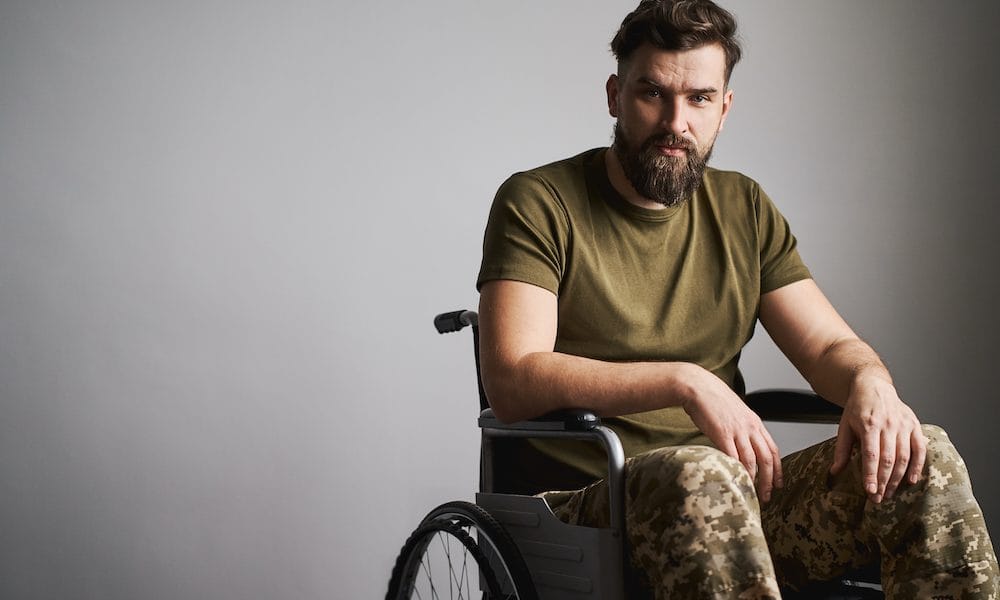
For seriously injured military personnel, the options around rehabilitation are increasing further with plans for a new National Rehabilitation Centre. Matthew Tomlinson and Rachel Seddon, from the military team at Slater & Gordon, discuss the importance of access to specialist support
For the majority of readers, initial treatment for their serious injury or illness will likely come from our exceptional NHS’ regional acute hospitals. When clinical rehabilitation, to assist those seriously injured is required, it is widely recognised that timely and tailored support is necessary to maximise the potential to return to a quality of life, and minimise further problems down the line. This is significant in relation to an individuals’ physical and mental health. Getting people back to a meaningful life and capability following serious injury is a major policy area in Government. Return to work rates for people experiencing serious injury and trauma in England are below rates achieved in other European countries as well as rates achieved in the Armed Forces.
Many of us will be re-assessing our life goals as part of our resolutions as we enter the New Year. For some, the “health kick” will last a few days, for others, slightly longer. On a personal level, we have all heard the rhetoric about setting realistic and achievable goals for ourselves, and being SMART about it. In serious injury litigation, the importance of goal setting is not just limited to the New Year, write David Withers and Kate Venn of Irwin Mitchell LLP.
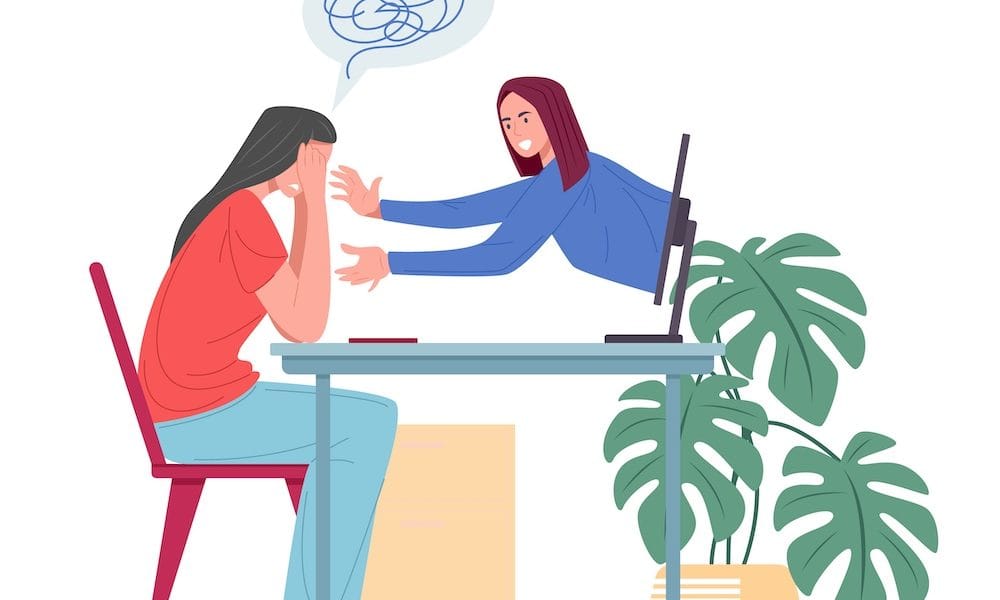
NR Times reports from the side-lines of an Irwin Mitchell event which explores the case for tele-neuropsychology.
COVID-19 has presented major challenges to those delivering neuropsychological assessments. Perhaps in the early days of the pandemic, deferring assessments may have been an initial consideration. But as it became clear that the crisis would be around for months, rather than weeks, other solutions were quickly sought. Such assessments are crucial in ensuring the seriously injured are given a level playing field in their journey to secure compensation and support for care.
NR Times invited three experts for a virtual discussion on the changing role of technology in rehab after brain injury.
Neuro-rehab specialists Anna Wilkinson and Rebecca Bancroft, of physiotherapy provider More Rehab, are joined by Louise Jenkins, partner and serious injury specialist at Irwin Mitchell.
Anna Wilkinson (AW): Using tech gives us a different way of rehabilitating someone; it keeps patients attentive, keeps them concentrated and keeps them motivated to reach their goals.
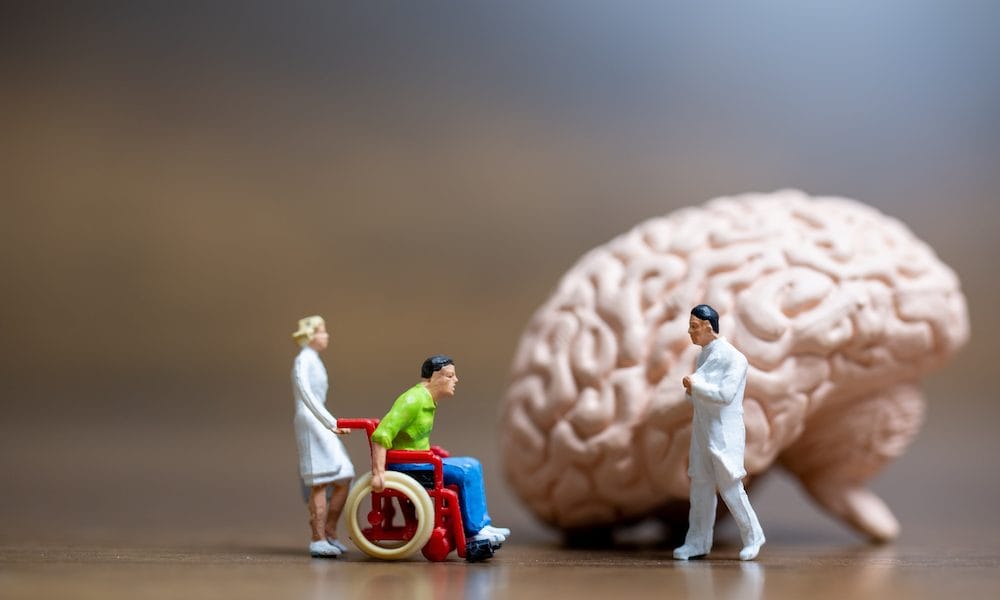
An acquired brain injury (ABI) can happen to anyone. It doesn't discriminate and can occur following a traumatic event such as a stroke, illness or accident.
Here personal injury expert Louise Jenkins, of Irwin Mitchell, talks to occupational therapist, Suzanna Anthony, about how she’s supporting people with memory issues through the pandemic; and what methods and tools there are to assist with memory problems that affect daily life. Louise: So how exactly can a brain injury affect memory?
By David Withers, partner at Irwin Mitchell.
In serious injury cases, the parties can often disagree about whether an injured person has a need for a hydrotherapy pool. The installation, and subsequent maintenance, costs of a hydrotherapy pool are significant. This is often one of the most contentious heads of loss that arises in a serious injury case. Legal position In tort, the principle of “restitution in integrum” applies. This means that insofar as is possible the injured person should be put back in the position that they would have been in but for the negligence [see Livingstone – v – Rawyards Coal Co (1980) 5 App Cas 25]. This is often known as the full compensation principle.
In conjunction with Mental Health Day 2020, Irwin Mitchell organised a webinar offering valuable insights into maintaining good mental health for those affected by Spinal Cord Injury (SCI).
The speakers were a mixture of professionals and people living with a SCI. Dr Parashar Ramanuj, Consultant Psychiatrist gave an in depth clinical insight as to what a person who has recently sustained an SCI may be dealing with and what ‘coping’ really means Sophie Lester, a case manager and spinal occupational therapist provided some really helpful guidance on how to maintain good mental health alongside rehabilitation and sustaining a healthy balance.
Richard Biggs, senior associate at Irwin Mitchell, takes a closer look at the practical benefits and cost issues related to osseointegration.
I have considered for several years as to how to plead a schedule of loss on an amputation case where a Claimant may choose to undergo osseointegration in the future. Osseointegration is described as follows:- (source London International Patient Services):“OsseoIntegration is an operative procedure used to eliminate the need for a conventional socket prosthesis”. Put simply, during osseointegration an implant is attached directly to a patient’s bone and left to protrude through the skin. It offers a rapid connection between the prosthetic limb and the stump and also provides an element of stability for the patient’s long term prosthetic use. In my experience of discussing the issues with patients who have undergone osseointegration in the past they all report that it is a lifechanging experience.
By Saoirse de Bont
Introduction The Liberty Protection Safeguards (LPS) were introduced through the Mental Capacity (Amendment) Act 2019, which received royal assent on 16 May 2019. The purpose of the LPS are to replace the existing Deprivation of Liberty Safeguards (DoLS) regime, partly due to the substantial increase in cases which fell under the auspices of the DoLS following the Supreme Court case of Cheshire West, and partly due to criticisms of the DoLS regime, including the fact that there were many settings such as supported living placements and family homes, where people were being deprived of their liberty but the DoLS did not apply.


