



Brainkind
 Brain injury12 Nov
Brainkind, the largest charity supporting people with brain injuries and neurological conditions in the UK, has created a new, free, digital tool for professionals supporting survivors of domestic abuse who may have a potential brain injury. Brainkind Adapt will support structured conversations about brain injury and provide guidance for professionals to adapt their approach. The [...]
 Brain injury30 Oct
One of the most delicate conversations in neurorehabilitation happens early and often: setting recovery goals. How do clinicians inspire hope and motivation while being honest about what's possible? How do clinicians support a patient's aspirations without setting them up for crushing disappointment? And perhaps most importantly, how do they balance what they think they know [...]
 Brain injury12 Aug
Providing tailored support to people in the criminal justice system with an acquired brain injury (ABI) could help to enhance rehabilitation, improve mental health, and support positive engagement with the prison regime, according to new research from Brainkind, the UK’s largest charity supporting people with ABIs and complex neurological conditions. The findings are contained in [...]
 Brain injury8 Jul
Davina Jones, Head of Policy at Brainkind, has issued a response to the UK government’s 10-Year Health Plan which was revealed last week. The long-awaited plan calls for a shift from hospital to community, treatment to prevention, and analogue to digital. The Brainkind statement reads: Brainkind welcomes the 10-Year Health Plan for England, particularly the [...]
 Brain injury26 Jun
A group of Star Wars fans in movie-accurate costumes has raised £10,000 for Brainkind, a York-based charity supporting people with brain injuries. Known as Phoenix Squad, the group handed over the cheque on 22 June at the Brainkind Neurological Centre in York, which provides specialist assessment and rehabilitation for people with acquired brain injuries—damage to [...]
 Brain injury6 Feb
NR Times speaks to the team at Brainkind, which won the NR Times Research Project of the Year Award 2024, sponsored by Leading FES Rehabilitation. Brain injury charity Brainkind has spent the last ten years carrying out research examining the experience of brain injury interventions delivered in prison and probation services for males. Previous research [...]
 Brain injury26 Nov
A new report has found 80 per cent of women in the criminal justice system in Wales may be living with a traumatic brain injury (TBI), calling for urgent solutions and increased awareness. The report reveals the prevalence of brain injuries in women in contact with the Welsh Criminal Justice System for the first time, [...]
 Tech & industry10 Oct
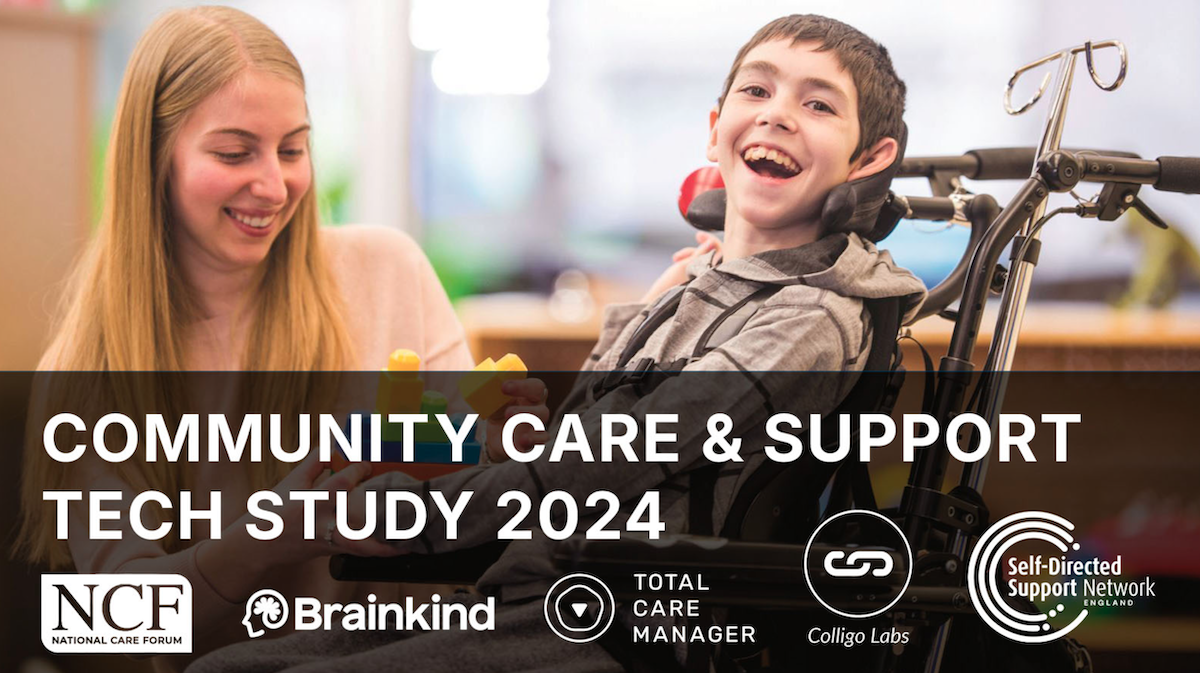
A coalition of UK care sector organisations has launched a first-of-its-kind study into the penetration of care management software in community care settings. Unlike previous studies, this survey actively seeks participation from the family members and support networks of people receiving care, including unpaid carers. The stakeholders behind the study include National Care Forum, the [...]
 News29 Nov
Consultant clinical psychologist Dr Miles Rogish has pioneered the use of Compassion Focused Therapy (CFT) among patients with brain injury. In Here he speaks to NR Times about his experiences of piloting CFT at the York House centre operated by Brainkind (formerly Disabilities Trust).
What are the origins of the CFT model?
CFT is grounded in the evolutionary analysis of basic social-motivational systems. Its aim is to support mental and emotional healing.
Professor Paul Gilbert developed it because, while cognitive behavioural therapy (CBT) was helping a lot of people with depression, there was a large group who it simply never moved.
Through analysis he found that core beliefs around guilt and shame were keeping their emotional system dysregulated.
 Opinion20 Oct
Prof Rudi Coetzer, clinical director at Brainkind – the UK’s largest brain injury charity – spoke to NR Times about the neuro-behavioural approach to treatment. He explained how it addresses patients’ social behaviour and their ability to adapt to changing situations through the use of repetition, practice, feedback, and compensation as well as its benefits [...]


