Multiple sclerosis

  • “I found out I was pregnant shortly after my MS diagnosis”

    A Multiple Sclerosis (MS) diagnosis is often a life changing event, with huge worries and concerns being overriding emotions for those who are told they have the condition.

    This was exactly the case for 30-year-old Annie, who found out she had MS just weeks before she discovered she was pregnant with her first child. For years she had been suffering with fatigue and tiredness, but despite spending hours doing her own research she could not work out what was causing it. After numerous hospital visits, she was given a diagnosis of chronic fatigue syndrome, although Annie said she ‘never really felt like that was the correct diagnosis’ for her. It would take a strange coincidence for her to eventually discover the problem, after she got a fly stuck in her eye in June 2020.
  • Pioneering MS research supported with £1.2m in grants

    Pioneering new multiple sclerosis (MS) research projects - including three in the UK - have been awarded £1.2million as part of a renewed global effort to stop the condition.

    The International Progressive MS Alliance will share the funds - up to £65,000 each - between researchers around the world through 19 Research Challenge Awards. Each winning project shares a united goal of discovering what causes MS to progress.  By developing a clear understanding of what leads to MS progression, it is hoped this funding will speed up the development of much-needed new treatments for the condition. Professor David Baker, from Queen Mary University of London, is one of three UK researchers who has been awarded funding. 
  • ‘Effective MS treatments should be available for everyone with MS, wherever they live in the UK’

    A medication for people with relapsing MS has been denied recommendation for NHS use England and Wales, despite it gaining approval from Scottish regulators earlier this year. 

    Ozanimod, or Zeposia, is a disease modifying therapy which is taken as a tablet and traps immune T-cells in the body’s lymph nodes. In a two-year clinical trial, it was shown to reduce relapses in those with active relapsing remitting MS by around 38 per cent, compared to beta interferon, an existing MS treatment. However, the National Institute for Health and Care Excellence (NICE) has decided not to recommend it for people with relapsing MS on the NHS in England and Wales, confirming its provisional decision from January - despite the fact it was given approval by the Scottish Medicines Consortium (SMC).
  • The Emotional Effects of Living with MS

    By recognising the signs of PTSD with an MS diagnosis and delivering the appropriate support, patients are empowered to focus on improving their quality of life, says Dr Roy Aloni, head of Psychological Unit, Multiple Sclerosis Center, Sheba Medical Center, and BelongMs expert 

      Multiple sclerosis (MS) is an autoimmune disease of the central nervous system that affects both the brain and the spinal cord. With MS, the immune system attacks myelin—a protective layer that covers the nerve fibres— allowing the degeneration of groups of neurons, which affects a variety of functions.   Multiple sclerosis (MS) is an autoimmune disease of the central nervous system that affects both the brain and the spinal cord. With MS, the immune system attacks myelin—a protective layer that covers the nerve fibres— allowing the degeneration of groups of neurons, which affects a variety of functions.  MS-Related Stress In most cases, MS is diagnosed at a young age, which can be a significant emotional burden with extensive psycho-social consequences that affect the patient’s quality of life. 
  • 3D micro brain models speed MS research

    Tiny 3D models that mimic vital aspects of the human nervous system have been developed in a step that could accelerate drug research for neurological conditions such as multiple sclerosis (MS). The millimetre-wide models - created using stem cells from human skin samples - will be used to study myelin, an insulating substance that helps nerve cells communicate with each other. Researchers say the models are the most natural representation of human myelination developed in a lab and are a promising platform for studying neurological diseases and for testing drugs for conditions linked to myelin loss, including MS. Nerve cells are found in the brain and the spinal cord and connect to each other with branch-like links called axons, which have an insulating coat similar to electric cabling.  This insulating coat is called myelin, and it aids the electrical and chemical information flow between cells.

  • Achieving my ambitions – however long it takes

    When Jessie Ace woke on her last day of university, unable to feel the whole left hand side of her body, her dreams of becoming an illustrator lay in tatters. 

    Having already clinched a book deal, which had been her ambition since childhood, Jessie’s future career plans had seemed to be in the ascendancy.  But from that moment, and with her subsequent diagnosis of Multiple Sclerosis (MS) at the age of only 22, Jessie was forced to delay her ambitions - but was adamant she would never give up.  And now, eight years on, the determination and positivity which characterise Jessie’s everyday life have resulted in her publishing her first illustrated colouring book for children. 
  • MRI could predict later-life disability in MS

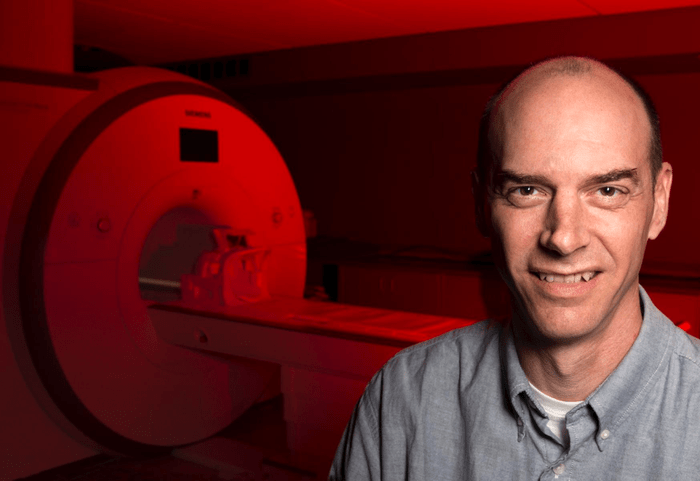
    New MRI techniques to show what is happening in the brains of people with multiple sclerosis (MS) could have the potential to predict disability from the early stages of their condition, new research has revealed. 

    Through assessing microscopic changes in the brain at the earliest opportunity using MRI, scientists now believe this has the potential to indicate the level of disability the person may face in the future.  The study by University College London (UCL), funded by the MS Society and Rosetrees Trust, combined advanced MRI techniques to show the smallest of changes happening in the MS brain. 
  • Over a third of people with MS ‘keep condition secret’

    More than a third of people who have Multiple Sclerosis (MS) keep their condition secret, it has been revealed. 

    In a survey of over 800 people living with MS, 35 per cent said they have kept their diagnosis private. 
  • Three new MS subtypes identified

    Three new subtypes of multiple sclerosis (MS) have been identified by using artificial intelligence (AI). 

    The new MS subtypes were defined as 'cortex-led', 'normal-appearing white matter-led', and ‘lesion-led.' The study, by scientists at UCL, has been hailed as potentially being key in identifying those people more likely to have disease progression and help target treatments more effectively. 
  • World-first MS trial to test existing drugs

    A world-first trial is being launched in the UK into whether drugs already on the market can prevent multiple sclerosis (MS) from worsening and even reverse the disabilities it causes.

    The Octopus trial will investigate the potential benefits of using a number of different medications at once, in the hope of finding effective new treatments up to three times faster than if the medicines were trialled separately.