News
The latest news from across neurorehabilitation.
 Legal22 Jul
By Robert Dransfield, Partner, Penningtons Manches Cooper The Getting It Right First Time (GIRFT) [1] national pathway set a clear target of a four-hour window for emergency MRI scans. Despite these objectives, the reality, three years on, remains that many district general hospitals (DGHs) simply do not have the radiographer staffing to provide a 24/7 [...]
 Stroke21 Jul
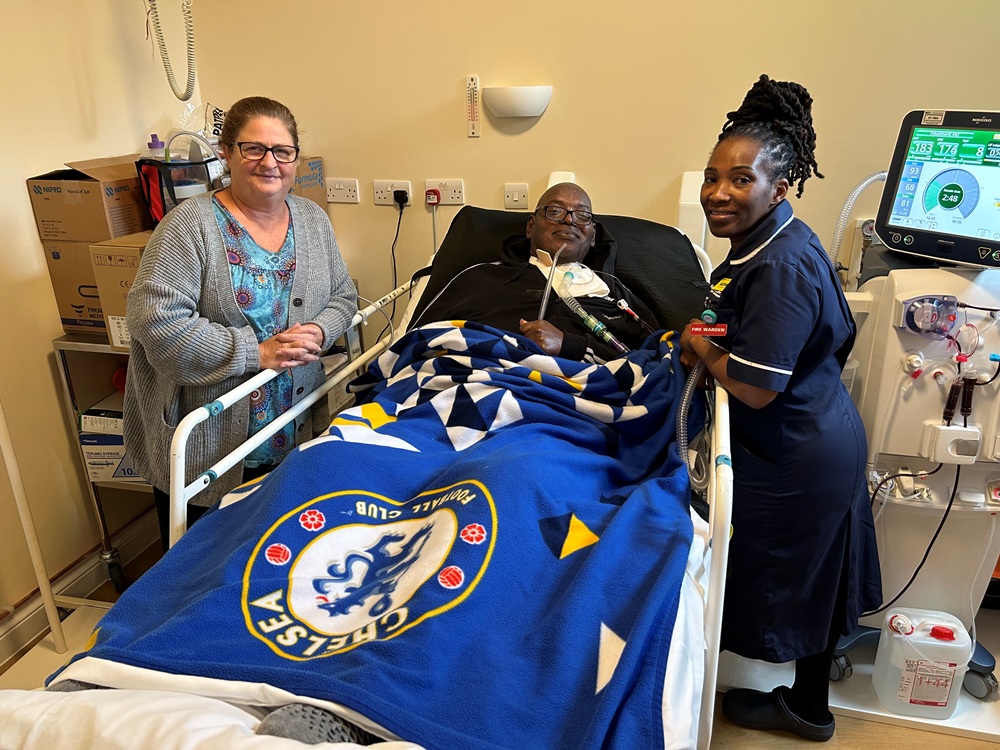
The first haemodialysis service to be offered in a care home setting has been established in London, thanks to a provider partnership with the NHS. Fairlie Healthcare, which provides specialist nursing care to people living with complex neurological conditions, spent more than 12 months working closely with the renal team at King’s College Hospital NHS [...]
 Stroke21 Jul
Black immigrants to the US have lower stroke odds than US-born Black adults, with the lowest odds among recent arrivals, research suggests. The study examined data from 64,717 people who identified as Black and took part in the US National Health Interview Survey between 2000 and 2018. Researchers grouped respondents according to their age and [...]
 Parkinson's20 Jul
A stamp-sized tear sensor could help detect Parkinson’s disease before major symptoms appear, researchers say. The device is designed to detect dopamine, a brain chemical involved in movement, motivation and mood, using only a person’s tears. The findings suggest tears could offer a needle-free way to help identify Parkinson’s disease and other conditions linked to [...]
 Brain injury20 Jul
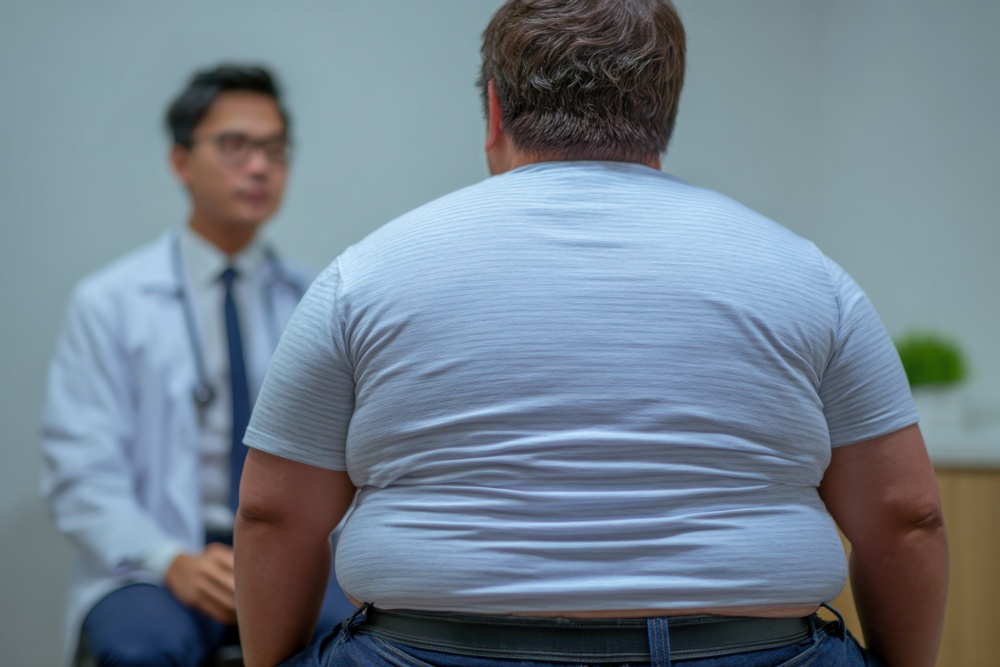
Children and adults with brain injury-linked obesity have a new therapy after the FDA approved setmelanotide. The treatment is for acquired hypothalamic obesity, a rare condition that can cause rapid and difficult-to-control weight gain. The condition can develop after damage to the hypothalamus, the part of the brain that helps regulate hunger, fullness and how [...]
 Brain injury20 Jul
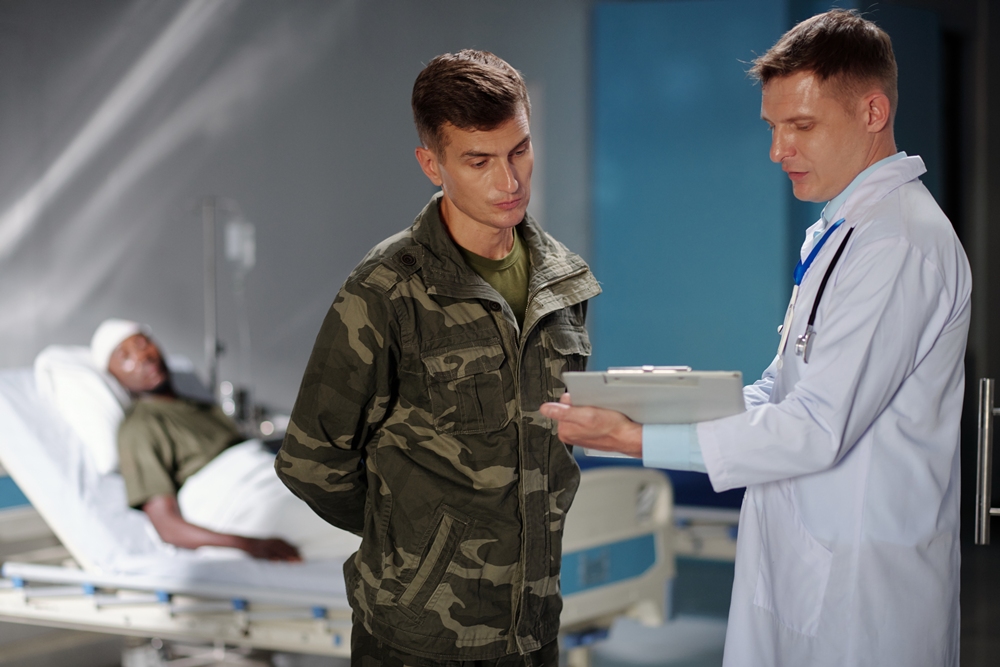
US Army medics in Europe are trialling a handheld TBI tool that could help identify traumatic brain injuries in as little as 15 minutes. The US Army said the i-STAT Alinity device, made by Abbott Laboratories, is being tested to help medics make faster decisions in battlefield settings. Military officials said the tool could give [...]
 Brain injury17 Jul
Nobby Stiles’ son has warned of a brain injury “epidemic” among footballers who head the ball, especially women. John Stiles spoke after an inquest on Wednesday into the death of his father, the England 1966 World Cup winner and former Manchester United midfielder, heard that thousands of headers had caused his chronic traumatic encephalopathy, or [...]
 Brain injury17 Jul
By Ronda Boswell, neuro occupational therapist, Cognivate Rehab The way we perceive and process the world around us is fundamental to how we navigate our lives. Our sensory experiences - the sound of a busy office, the brightness of the sky or the feel of a familiar tool in our hands - form the backdrop [...]
 Brain injury17 Jul
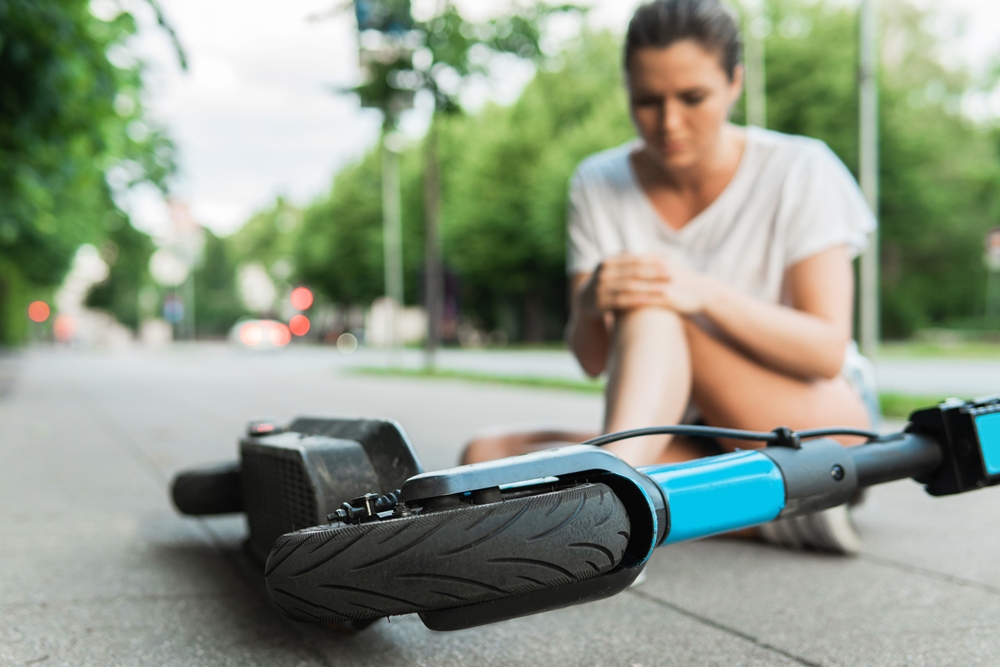
E-scooter use has reached a “tipping point” in Ireland, the Irish national parliament heard, after figures showed a sharp rise in child brain injuries. The number of children and young people admitted to hospital with traumatic brain injuries after e-scooter incidents rose by 50 per cent year on year, according to Children’s Health Ireland (CHI). [...]
 Brain injury17 Jul
Neurorehabilitation provided by a Multi-Disciplinary Team (MDT) of therapists is considered best practice for individuals with acquired brain injury. However, real-world service evaluations remain limited. Therefore, a team of psychologists at Richardson Care decided to complete a service evaluation to examine the outcomes of adults with Acquired Brain Injury (ABI). It aimed to evaluate the [...]