



News
The latest news from across neurorehabilitation.
 Therapy25 May
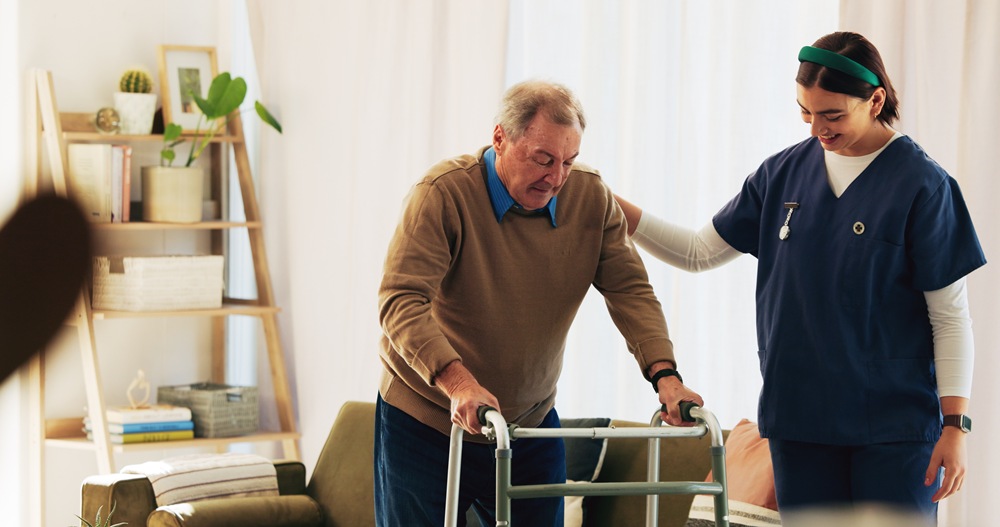
By Laura Gregory, clinical director, Traumaticus From your experience, what are the most common challenges clients face when rehabilitation services pause during seasonal breaks? Their mood may reduce further because they don't feel able to engage in the festivities or they don't want to take part because of what they are going through and there [...]
 News22 May
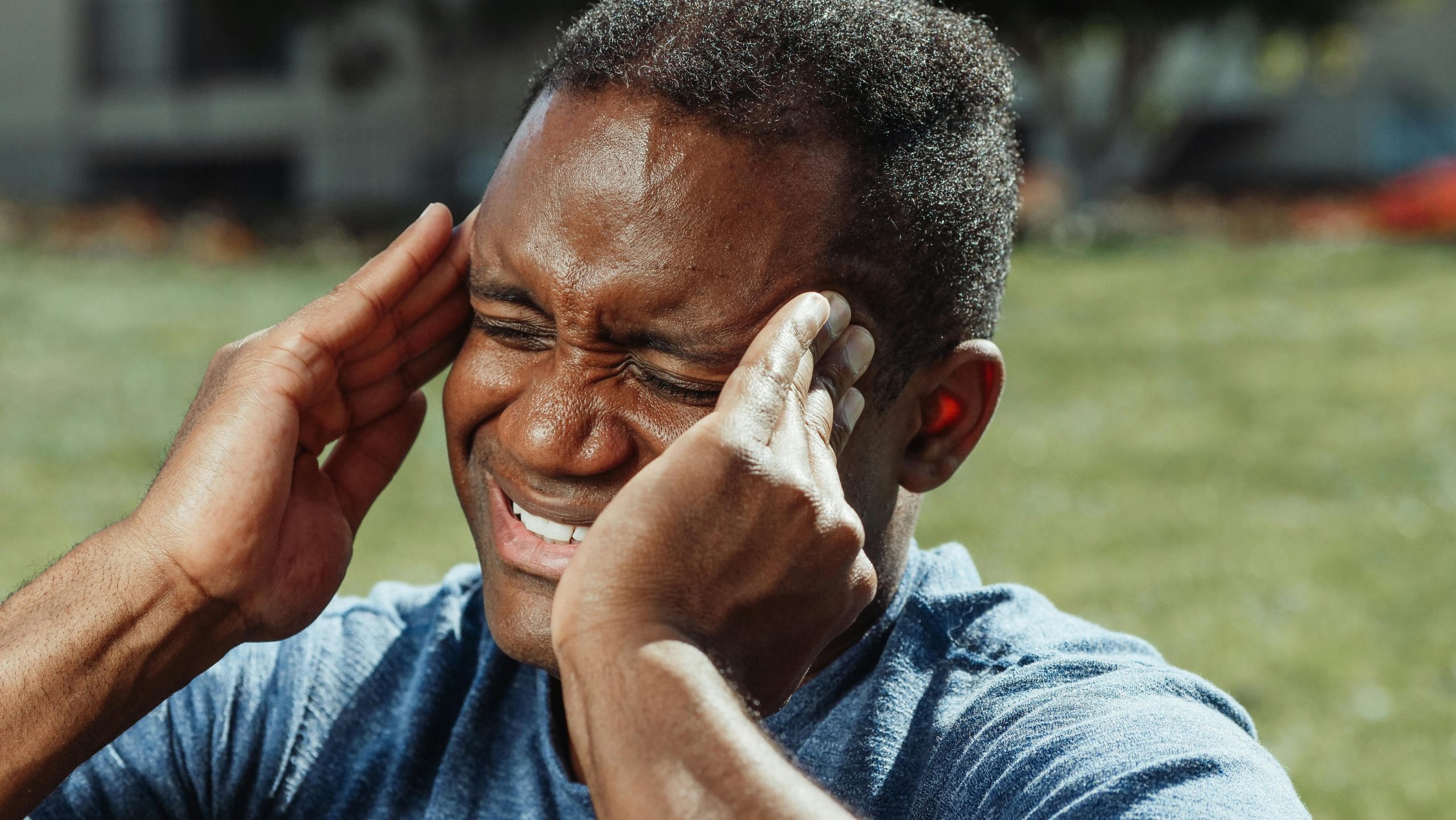
Migraine with aura was associated with an increased risk of ischemic stroke in middle-aged and older people, according to a recent study. Migraine without aura was not associated with an increased risk. The study does not prove that migraine with aura causes an increased risk of stroke, it only shows an association. An aura is [...]
 Multiple sclerosis22 May
A stem cell trial is testing whether transplantation can improve outcomes for people with treatment-resistant relapsing MS. The phase 3 study is comparing autologous haematopoietic stem cell transplantation with the best available therapy for adults whose disease remains active despite previous high-efficacy disease-modifying treatments. Relapsing-remitting multiple sclerosis, or RRMS, is a form of MS where [...]
 Brain injury21 May
VR could help brain and spinal patients practise rehabilitation earlier and more often after serious injury or surgery, research suggests. An early-stage study looked at whether virtual reality technology could support patients recovering on busy hospital wards, where therapy time is often limited. Researchers wanted to see whether the approach could give patients [...]
 Spinal injury21 May
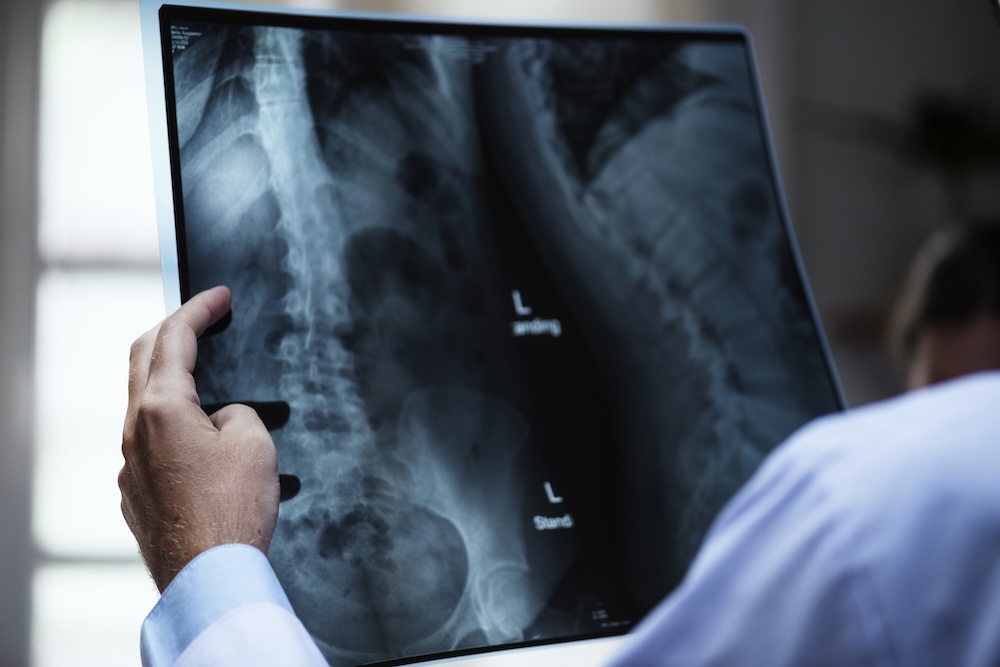
A new spinal treatment may improve recovery after injury by targeting a chemical reaction that can worsen nerve damage in the first hours. Spinal cord injuries can worsen after the initial trauma, as chemical damage spreads through the nervous system. The experimental approach aims to interrupt that process early by removing excess glutamate [...]
 Case management21 May
By Matt McLean, Case Manager, Unite Professionals The client was 25 at the time Unite Professionals case manager, Matt McLean, first engaged with him. He had sustained a catastrophic traumatic brain injury at the age of 11, which left him with lifelong cognitive changes affecting memory, impulsivity, inability to learn from mistakes, and highly compromised [...]
 Huntington's20 May
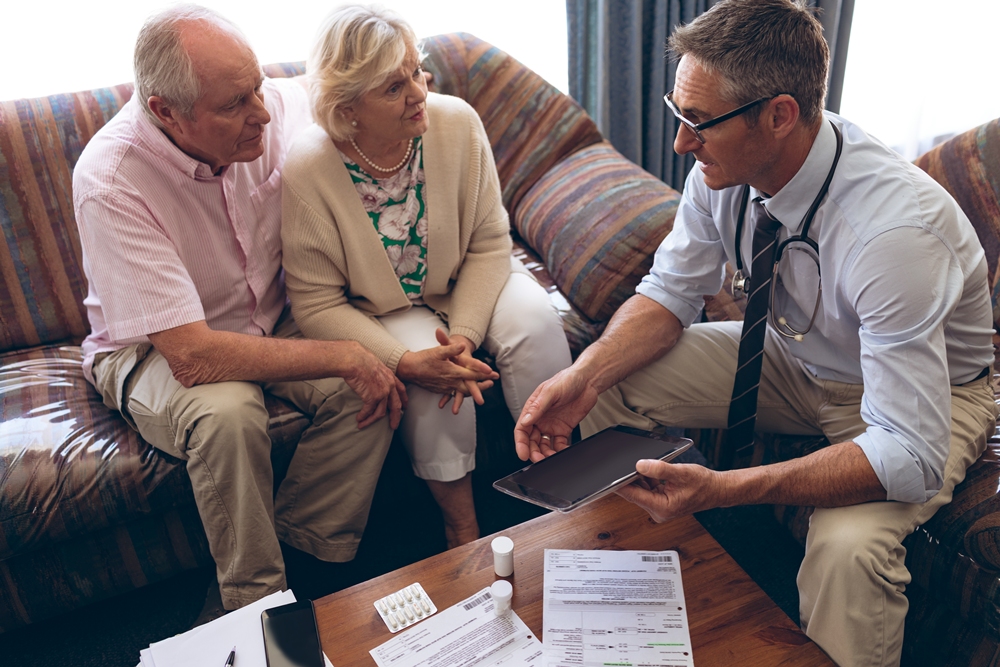
New guidance aims to help health professionals improve Huntington’s care across mental health, cognition and wider support. The resources have been developed by the Huntington’s Disease Association (HDA) with experts including Dr Sarah Gunn, from the University of Leicester, and Dr Akshay Nair. Huntington’s disease is a rare inherited condition that gradually damages nerve cells [...]
 Brain injury20 May
Warren Collins, Partner Solicitor-Advocate at Penningtons Manches Cooper LLP asks some uncomfortable questions. When an online referral form looks like a lifeline, it is worth asking who built it and why. There is a particular kind of organisation that has become increasingly visible in the serious injury landscape. It presents itself as a patient support [...]
 Brain injury20 May
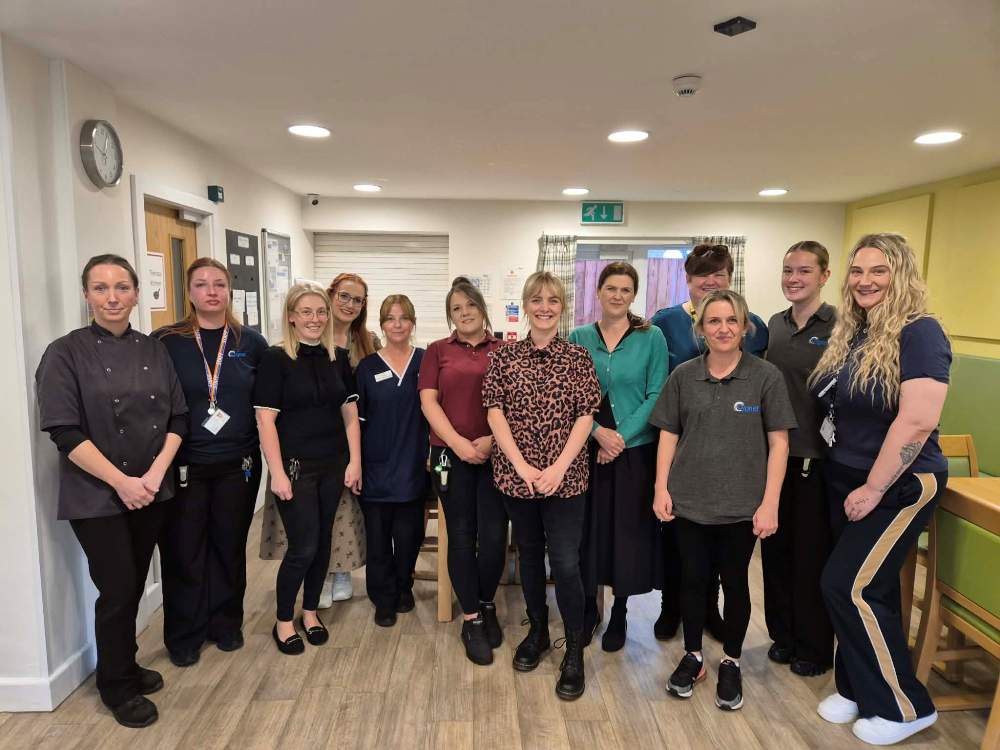
A specialist neuropsychiatric service in Darlington supporting men affected by acquired brain injuries and neurodegenerative conditions has been awarded an Outstanding rating by Headway, the Brain Injury Association. Cygnet St William’s, part of Cygnet Health Care, received the highest possible rating following a comprehensive assessment as part of Headway’s Approved Provider Scheme. The scheme uses [...]
 Multiple sclerosis20 May
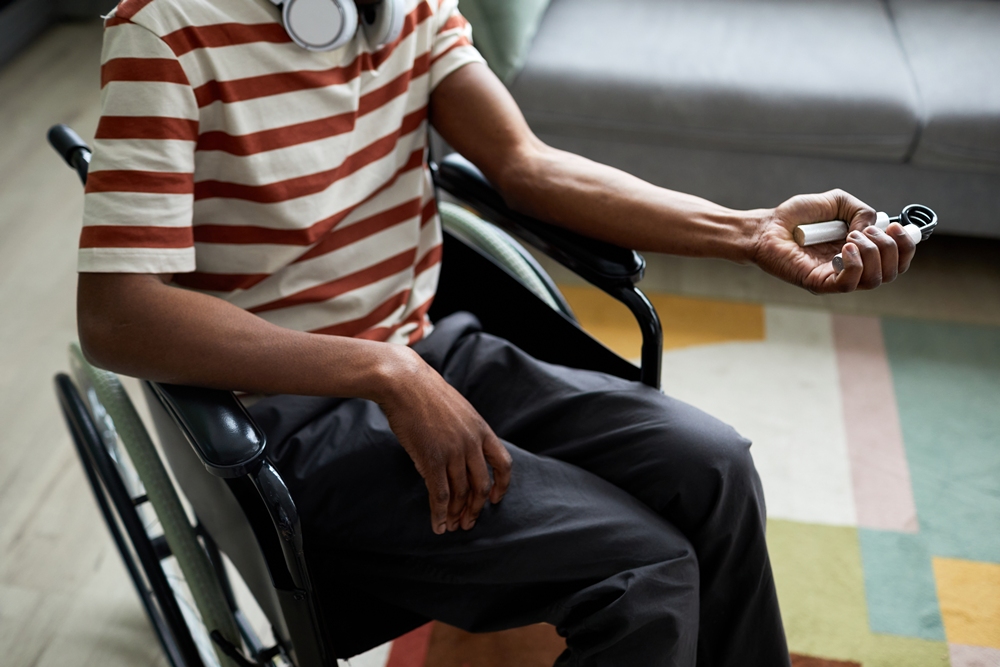
Psychoactive substances are commonly used by people with multiple sclerosis (MS )and may ease some symptoms while worsening others, a study suggests. MS is a long-term condition affecting the brain and spinal cord that can cause fatigue, pain, mobility issues and other symptoms. Psychoactive substances are drugs or products that affect the brain [...]








