News
The latest news from across neurorehabilitation.
 Stroke10 Dec
Energy drinks may raise stroke risk, doctors have warned after treating a man in his 50s who drank eight cans a day and nearly died. The patient has been left with permanent nerve damage in his left hand and foot following the incident. Doctors at Nottingham University Hospitals said the man arrived at hospital suffering [...]
 Parkinson's10 Dec
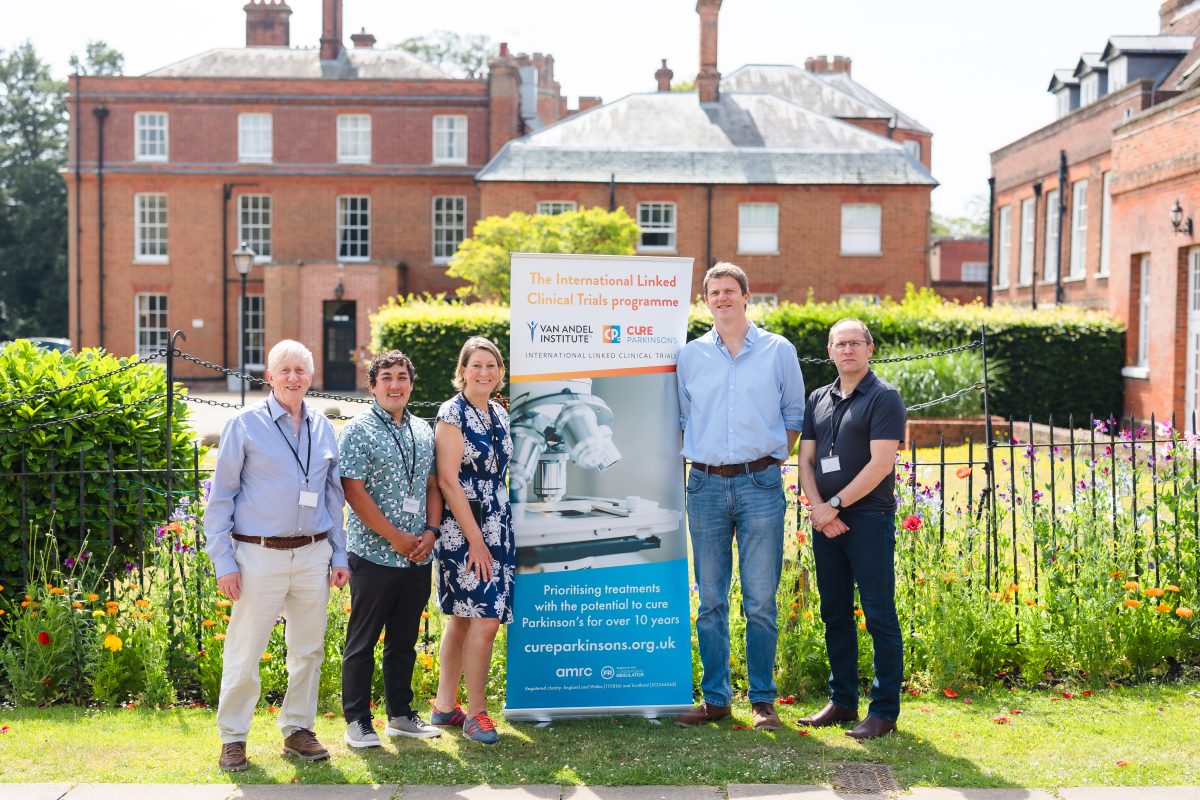
A funding agreement has been renewed to support what is described as the world's largest drug repurposing clinical trial initiative for Parkinson's disease. As part of the three-year agreement, US$750,000 will be pledged annually by charity Cure Parkinson's and independent research facility, Van Andel Institute (VAI), to the International Linked Clinical Trials Programme. [...]
 Brain injury10 Dec
Researchers found a paediatric TBI biomarker that could guide precision rehabilitation after traumatic brain injury (TBI). The study identified reversible DNA changes, called epigenetic modifications, that may act as dynamic markers of recovery. Complicated traumatic brain injury usually requires at least an overnight hospital stay, unlike concussion, which often resolves within weeks. The [...]
 Legal9 Dec
With a career spanning statutory social work, international experience and now specialist case management, Jessica Lagerstedt brings a unique blend of insight, empathy and precision to her role. We sat down with her to explore her journey and her thoughts on case management and neuro-rehabilitation. Q1. Can you tell us a bit about your background [...]

After its successful launch last year, Slater and Gordon has announced the return of its much-anticipated Charity of the Year campaign. The campaign will be aimed at supporting charities that make a vital impact in communities across the country, providing meaningful services to individuals with disabilities, impairments, illness and injury. The chosen charity will be [...]
 Research9 Dec
Researchers mapped brain network differences in people at high risk of psychosis, offering clues to how the illness begins. The study used neuroimaging (detailed brain scans) to spot early, network-level changes in more than 3,000 people at varying levels of risk. Those at clinical high risk, meaning people with early warning signs of psychosis, had [...]
 Concussion8 Dec
Concussion history predicts long-term health risks in former NFL players better than years played or position, new research suggests. A study of more than 1,500 former players found that two commonly used ways to estimate head injury risk were not linked to poorer long-term physical or mental health. Researchers say directly assessing a player's concussion [...]
 Brain injury8 Dec
Prompt treatment after a head injury, even if symptoms seem minor, could halve the risk of Alzheimer's, new research suggests. Beginning physical and cognitive therapy within a week cut later Alzheimer's risk by more than 40 per cent, the study found. Co-author Austin Kennemer said the finding could change how patients and hospitals respond. [...]
 Spinal injury5 Dec
Specific DNA sequences control how cells in the nervous system respond to spinal cord injury, a study has found, potentially enabling more targeted treatments. When the central nervous system is damaged, many cells become reactive, changing their function and activating genes that protect and repair tissue. How this process is regulated has been unclear. Researchers [...]
 News4 Dec
UK researchers have developed a new tool to evaluate fear avoidance behaviour following a concussion. Developed by a team at Edith Cowan University (ECU), the tool, aptly named the Fear Avoidance after Concussion Tool (FACT), consists of a questionnaire that can be completed within five minutes, under the supervision of a health care provider. ECU [...]