


Patient stories
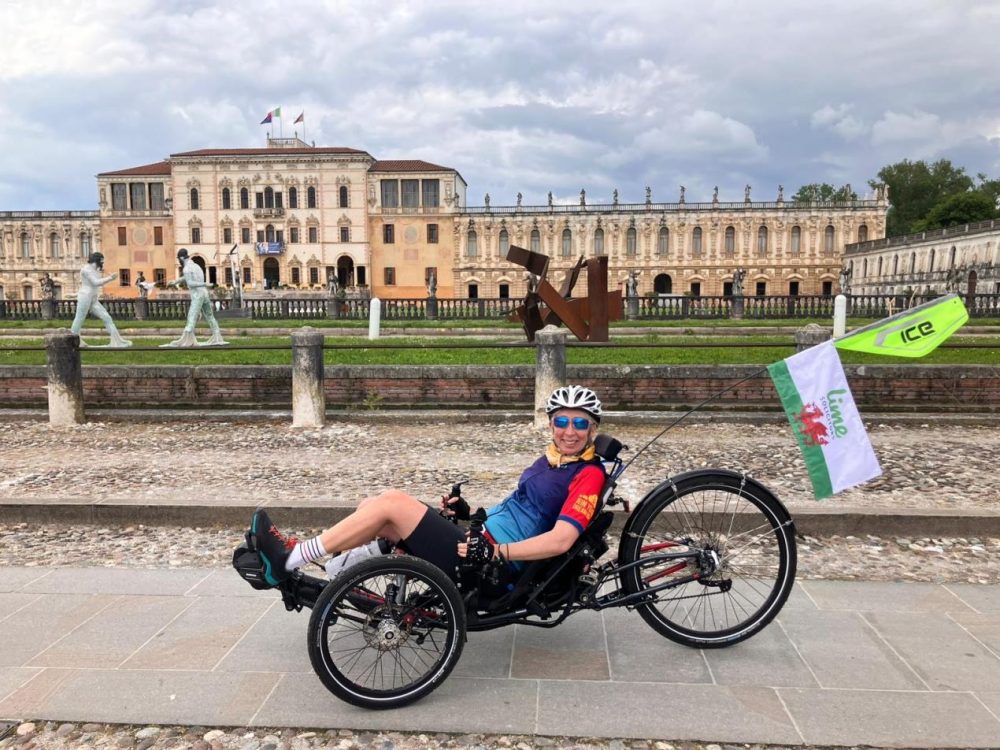
In 2014, Amanda Harris from Meisgyn was paralysed from the chest down after a cycling accident resulted in a spinal cord injury. Eleven years after her accident, and with the use of only one fully functioning leg, she has cycled approximately 300km over three days through Northern Italy in aid of Spinal Injuries Association. While [...]

New research has highlighted the experiences of UK ex-Service personnel with dementia who are living in their own homes, and the barriers they have faced in accessing support. The research, funded by Forces in Mind Trust and carried out by the University of Manchester and McMaster University, was the first qualitative study with ex-Service personnel living [...]

A charity which works with young people with disabilities and their families is increasing the support available to them after securing funding to finance a new specialist role in its team. Grace House now has a dedicated Family Support Officer, who will work closely with families to understand their specific needs and look to identify [...]

By Consultant Clinical Neuropsychologist at PJ Care, Estefania Triguero Throughout my 15-year career in neurorehabilitation, understanding a patient as a unique individual has always been key. Whether they have a neurological condition or an acquired brain injury caring for that individual requires a compassionate, holistic and person-centred approach. A patient’s family and friends typically play [...]

A charity which delivers emotional support to parents of seriously ill or disabled children is able to grow its life-changing provision even further through a new partnership. Harry’s Pals offers a unique service which helps parents to negotiate the hugely challenging times after their child receives a devastating diagnosis – something which has a significant [...]

A music conductor in the US has returned to the podium after receiving innovative brain technology that controls his Parkinson's tremors, allowing him to lead his symphony with renewed confidence. Rand Laycock*, 70, was diagnosed with Parkinson’s disease shortly before turning 60 after seeking medical advice for thumb twitching. The retired music teacher has guided [...]

Communication is more than just what we say. According to Mehrabian’s Communication Model (1971), only 7% of our communication is verbal and 93% is non-verbal. Most of our predictions and inferences used within communication are based on a person’s non-verbal behaviour, using body language, facial expressions or tone of voice. Individuals with acquired brain injury [...]

By Gerry Roxburgh, specialist neurological Speech and Language Therapist, Elysium Healthcare
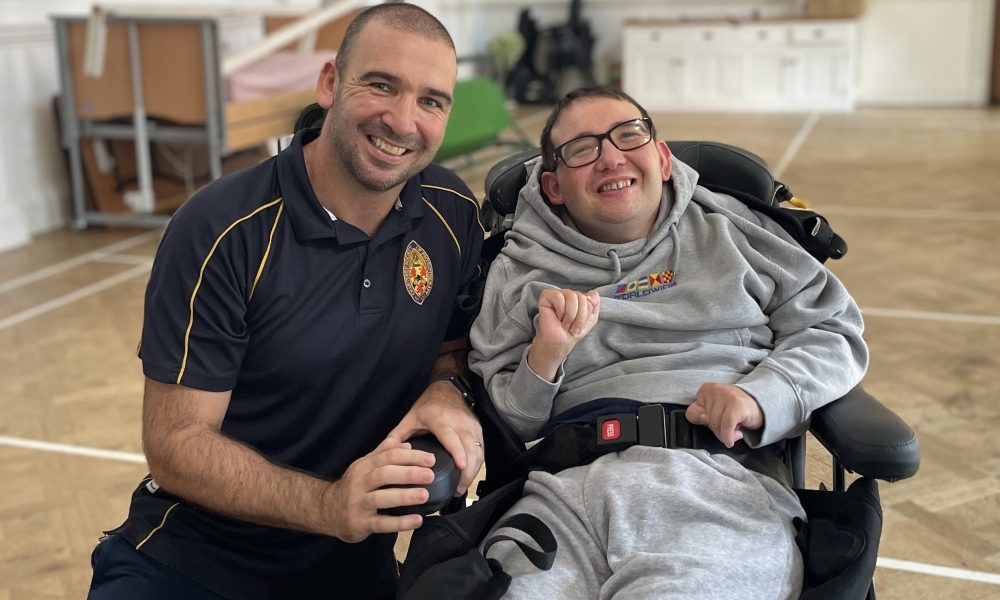
Guy Stewart, Neurological Physiotherapist at Richardson Care has been working in this specialist branch of physiotherapy for over 13 years. Richardson Care provides specialist rehabilitation and residential care for adults who have acquired brain injury, learning disabilities and associated physical disabilities and complex needs. Service users present with a wide range of physical needs and [...]
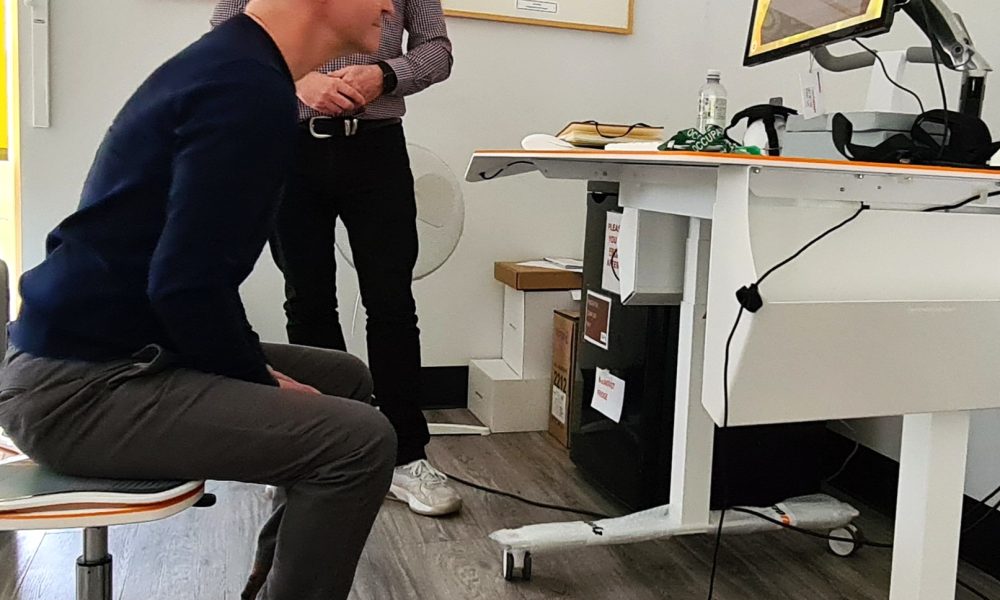
The Care and Rehabilitation Centre near Leatherhead, provided by disability charity Queen Elizabeth’s Foundation for Disabled People (QEF), now offers technology-assisted therapy as part of their neuro rehabilitation and complex neurological care service. Expert therapy and care teams support people to regain core skills after a stroke, acquired brain injury, spinal injury or neurological illness. [...]


