



Uncategorised

A stroke can have huge physical, emotional and practical implications on a survivor’s life. That single event which can take minutes will, for many survivors, have a lasting impact. A recent survey from the Stroke Association laid bare the reality of more than 3,500 stroke survivors in the UK. The research, published ahead of tomorrow’s [...]
According to the NHS, vascular dementia is a common type of the condition, which is estimated to affect around 150,000 people in the UK. The illness is caused by reduced blood flow to the brain, which damages and eventually kills cells – and this is where the link between stroke and dementia comes into play. [...]
In the UK, someone has a stroke every five minutes; that equates to 100,000 people having one each year. There are currently estimated to be around 1.3 million stroke survivors in the UK, who may suffer long-term effects such as pain, muscle problems and headaches. One possible remedy that has been trialled to mitigate against [...]
Healthcare professionals have long been aware of the link between stroke and depression. After all, a stroke affects both the mind and the body and is a life-changing event. In this article, Stroke Rehab Times looks at the impacts of stroke on survivors’ emotional and mental wellbeing. How common is depression after stroke? Very. Around [...]

Erin Pollitt suffered a serious spinal injury in her second year of professional dance training.
While practicing a difficult move during rehearsals at the Northern School for Contemporary Dance in Leeds, she fell to the floor and suddenly felt a sharp pain at the base of her spine. She was booked in to see the school’s physio the next day, feeling the full impact of the fall after being unable to walk properly or move as she normally could.
A Parliamentary inquiry is to be held to examine the link between sport and long-term brain injury.
The Digital, Culture, Media and Sport (DCMS) Committee will look into the issue over two sessions, the first of which will be held next Tuesday. Through the inquiry, the cross-party group of MPs will consider scientific evidence for links between head trauma and dementia and how risks could be mitigated.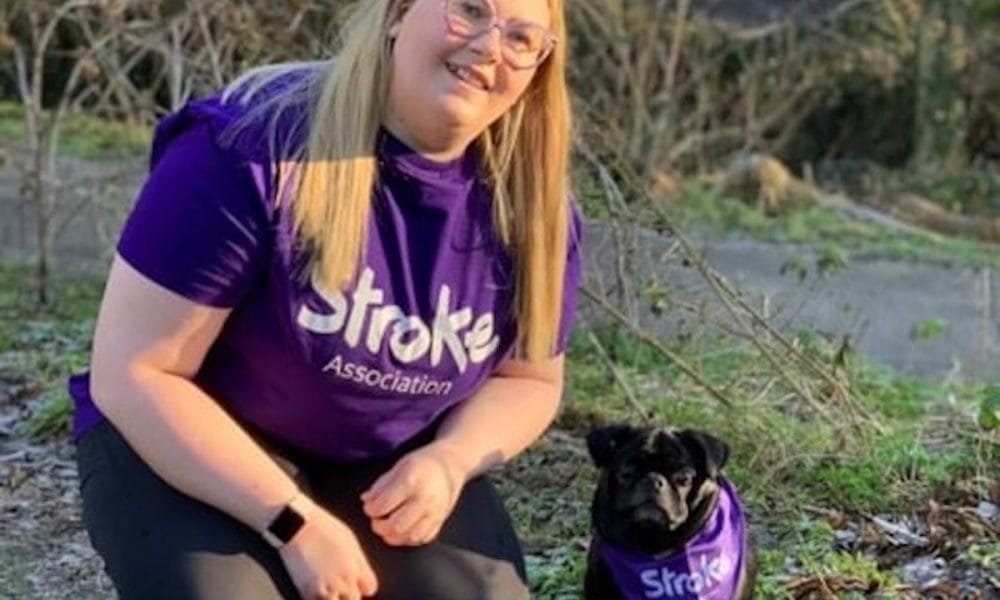
As a nurse working with stroke patients, Chloe Hammond supports people in their recovery every day - but the effects of stroke have also touched her own family. Here, she shares her reasons for fundraising for survivors by walking 1.2 million steps.
A stroke nurse has committed to walking 1.2 million steps to raise money for the Stroke Association, having dealt with the effects of stroke in both her personal and professional life. Chloe Hammond is completing the challenge as a symbolic reminder of the 1.2 million stroke survivors in the UK, and aims to complete it by walking 10,000 steps a day for 120 days.
A joint study by the National Neuroscience Institute (NNI) and Singapore General Hospital (SGH) has revealed that patients who have been diagnosed with Parkinson's disease might actually have NIID instead.
NIID is a disabling neurodegenerative condition due to a gene mutation and has no effective treatment. Symptoms of NIID include dementia, Parkinsonism, poor balance, as well as numbness and weakness in the limbs. A patient with NIID may or may not experience symptoms, depending on age and stage of disease. The severe form of NIID is usually seen in older patients, where the disease has progressed to an advanced stage.
Patients are missing out on physiotherapy and rehabilitation services because vital spaces are being de-prioritised by Scottish health boards, the Chartered Society of Physiotherapy has warned.
Reports from across Scotland reveal that rehabilitation facilities are being used for storage space and meeting rooms while the pace of re-opening and re-starting services remains slow. During this second wave of the pandemic, physiotherapy will be critical to Covid-19 rehabilitation. Physiotherapists assist Covid and “Long Covid” patients recovering from fatigue, ongoing respiratory problems, deconditioning and poor mental health. In addition, the closure of rehabilitation services means that many non-Covid patients with long-term conditions have deteriorated, and now require more rehabilitation, alongside the ongoing needs of cardiac, stroke and respiratory referrals in the community.
Serious injury solicitor Alice Hall shares an insight from Lou, founder of Northamptonshire Chronic Pain Support.
Within my role as a serious injury solicitor, I often support clients who experience chronic pain after trauma and I have seen the devastating effect that can have on the life of a sufferer. I have also seen the importance of early and specialist professional input, and that, without this, the significant risk that people’s physical and mental health can quickly spiral downwards. But, what does it actually mean to live with chronic pain and what support is there available to sufferers? I spoke with Lou, the founder of Northamptonshire Chronic Pain Support (NCPS) and someone living with chronic pain.


