



Uncategorised
Welcome to your daily round-up of everything happening in the world of neurorehab.

A group of researchers from the Spanish National Research Council (CSIC) have harnessed Artificial Intelligence (AI) to to detect and analyse hippocampal ripples, which are patterns of brain activity that signal memory formation. These hippocampal ripples are considered electroencephalographic (EEG) biomarkers of memory, epilepsy and Alzheimer's disease. They are a type of fast brain oscillation [...]
A new study from Lund University has shown that our brains are programmed to learn more from people we like and less from those we dislike. Memory serves a vital function, and we learn both from individual experiences and from connecting them to draw new conclusions about the world. This allows us to make inferences [...]

US neurologists are staking their hopes on gene therapy as a potential new treatment for Huntington's Disease, according to a new market report.
However, those interviewed for the report, by Spherix Global Insights, also expressed frustration at the absence of available treatments to slow cognitive decline.
A new research project is aiming to make a groundbreaking contribution to the development of treatments for people with paralysis caused by spinal cord injury.
A coalition of charities, hospital and university researchers is working together on the potentially life-changing ImPRESS project at the London Spinal Injuries Centre (LSIC). The study will investigate whether spinal cord stimulation technology can help recover bowel function.
An emerging potential traumatic brain injury (TBI) treatment has been shown in a study of pigs to shrink brain lesions by 56 per cent and significantly reduced local inflammation levels.
The approach uses macrophages, a type of white blood cell that can dial inflammation up or down in the body in response to infection and injury.
A ceramic blanket being developed improve blood flow and speed up wound healing has shown potential as an innovative treatment for Parkinson's disease.

Almost 80 per cent of people return to work after traumatic spinal fracture or spinal cord injury (SCI), new research suggests.

A new gene therapy has been developed in an attempt to cure a devastating form of childhood epilepsy, which a new study shows can significantly reduce seizures in mice. The study sought to find an alternative to surgery for children with focal cortical dysplasia.
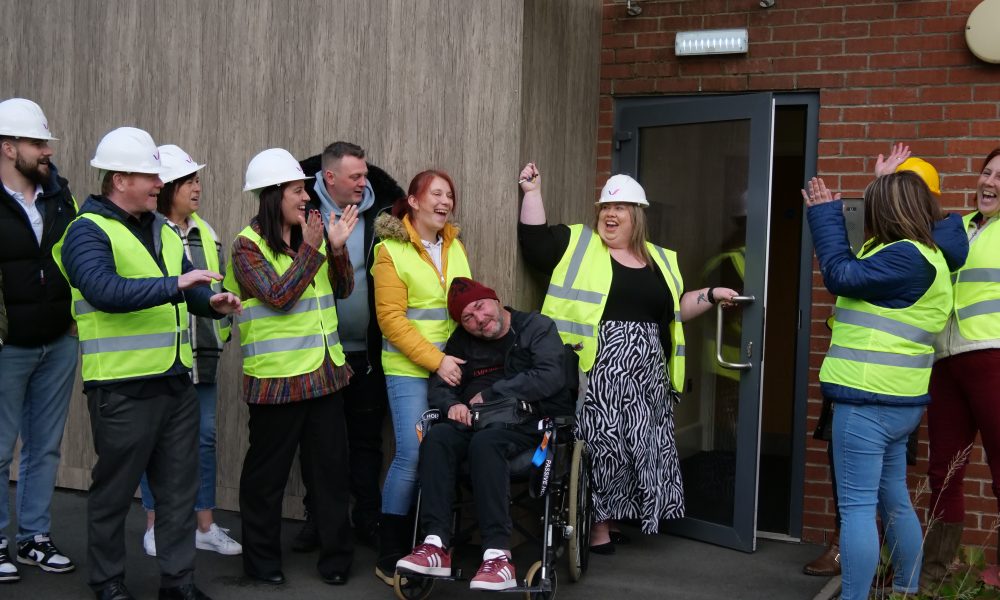
A specialist care provider is continuing its expansion with a new purpose-built addition to its brain injury rehabilitation portfolio. Linnet Mews will deliver active, community-based rehabilitation to people in and around Clowne, Chesterfield, to help meet demand in the area.


