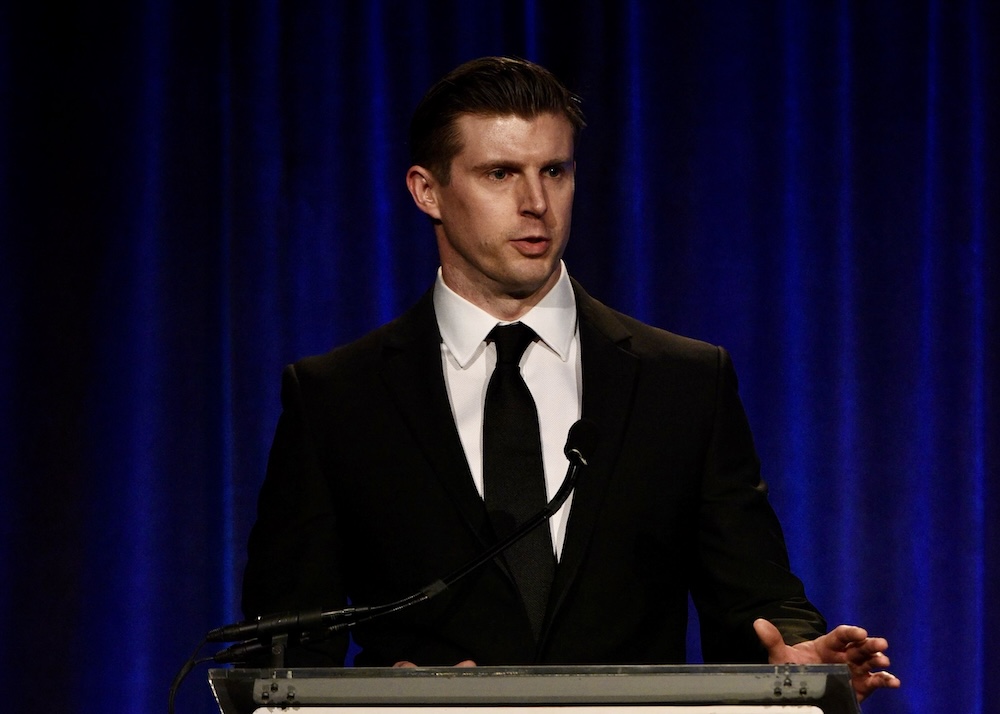
By Catherine Wignall, ILS Case Management
Working in complex traumatic brain injury case management has taught me that the technical aspects of rehabilitation are rarely the hardest part.
What challenges me most — and what I find most rewarding – is the ongoing task of keeping everyone aligned: the client, their family, and the wide constellation of therapists and clinicians who support them.
It is a role that requires steadying the boat during turbulent periods, celebrating the small and large triumphs, and keeping a clear eye on the horizon even when the waters are choppy.
Over the years, I have come to see that keeping everyone on the same page is not about control, but more about connection, clarity, and compassion.
Families as Equal Members of the Team
The client and their family are, of course, not just participants in the process but equal members of the team.
Their lived experience, their grief, their hopes, and their fears shape the direction of rehabilitation as much as any clinical assessment.
Each professional involved brings an important piece of the puzzle, but the client and family hold the picture on the box! My job is to help everyone see the evolving picture and work towards it.
Navigating the Phases of Team Development
Teams in neuro-rehabilitation go through recognisable phases, the polite uncertainty of forming, the inevitable storming where differing agendas and perspectives collide, and eventually, into a more settled rhythm where trust grows and collaboration deepens.
None of this is linear. Sometimes I inherit a tired support team, where energy or direction have lapsed.
Re-energising means naming the unspoken tensions, clarifying expectations, and gently shifting the culture from fault-finding to solution-seeking. It also means reminding everyone that each voice matters, not just the loudest or most senior.
Creating Space for Every Voice
Managing team dynamics is one of the most delicate parts of the role.
Neuro-rehabilitation attracts strong personalities, and understandably so; people care deeply about their work. But strong personalities can overshadow quieter expertise if left unchecked.
It is critical to create space for those who speak less but observe more – these insights often change the course of a case.
I remember one crisis meeting where a usually dominant team member took charge in their familiar way, only for the quieter clinicians to become the ones who ultimately steered us through. Their calm, thoughtful contributions shifted the dynamic entirely.
Supporting Families Through Uncertainty and Loss
Families living with catastrophic injury often find themselves overwhelmed, frightened, and desperate for certainty. In those early months, small issues can become disproportionately large.
A splint removed earlier than expected, a missed appointment, or a minor change in routine can trigger intense distress.
I have learned to see these reactions not as overreactions, but as expressions of grief and loss of control.
They are not really about the splint or the appointment; they are about the unbearable reality that life has changed forever.
In those moments, my role is to remain steady, to listen more than I speak, and to acknowledge the emotion beneath the concern.
Scheduling regular calls and encouraging families to write down questions as they arise often helps them reflect and reduces the sense of urgency that fuels repeated emails or calls.
It also helps them identify what is truly troubling them, which is often something deeper than the issue they first raise.
Communication: Where Challenges Often Emerge
Communication is the area where things most often unravel, and it is almost always the first thing blamed when difficulties arise.
I have learned that families only hear what they can emotionally tolerate, no matter how clearly something is explained.
They carry unspoken questions about recovery, identity, relationships, and the future — questions that we cannot always answer.
Clinicians, in their desire to be helpful, sometimes offer predictions that cannot be guaranteed, which can create false hope or unnecessary fear.
I have found that honesty, even when it means saying “We don’t know yet,” builds more trust than any attempt at reassurance that cannot be backed up.
What families need most is not certainty but partnership: a sense that we will aim high, work together, and take the next step with purpose.
Structure and Stability as Anchors
Consistency and structure are powerful stabilisers. Establishing regular meeting times, predictable communication channels, and clear escalation routes helps everyone feel more secure.
It reduces crisis-driven interactions and allows the team to plan rather than react.
For me, stability is not about rigidity; it is about reliability.
It is about doing what you say you will do, when you say you will do it, and being transparent when plans need to change, or don’t go to plan.
Humility and Honesty in Practice
Humility has become one of the most important tools in my practice, apologising when things do not go as expected, explaining decisions openly, and changing course without defensiveness.
This involves absorbing tension or taking responsibility for something simply to protect the therapeutic relationships around the client.
What matters is that every decision is grounded in the client’s best interests, not in avoiding conflict or appeasing egos – including my own.
A sense of humour, used thoughtfully, can help lighten the emotional load and remind everyone that moments of connection still exist, even in the most difficult circumstances.
A Privileged Role in Times of Profound Change
Keeping everyone on the same page is not simply a logistical task; it is a relational one.
It is about holding the team steady, keeping the vision clear, and ensuring that every decision is anchored in the client’s best interests – and no-one else’s.
It is demanding work, but it is also deeply meaningful.
We are privileged to walk alongside individuals and families as they rebuild their lives in the wake of profound change and to share in the cherished successes.